
Family SUV Getaways: Why the Trail Climber SUV2 Balances Comfort and Wet-Road Safety
A practical look at how the Summit Trail Climber SUV2 combines a quieter highway ride, stable tread contact, wet-weather traction features, and everyday value for family travel.
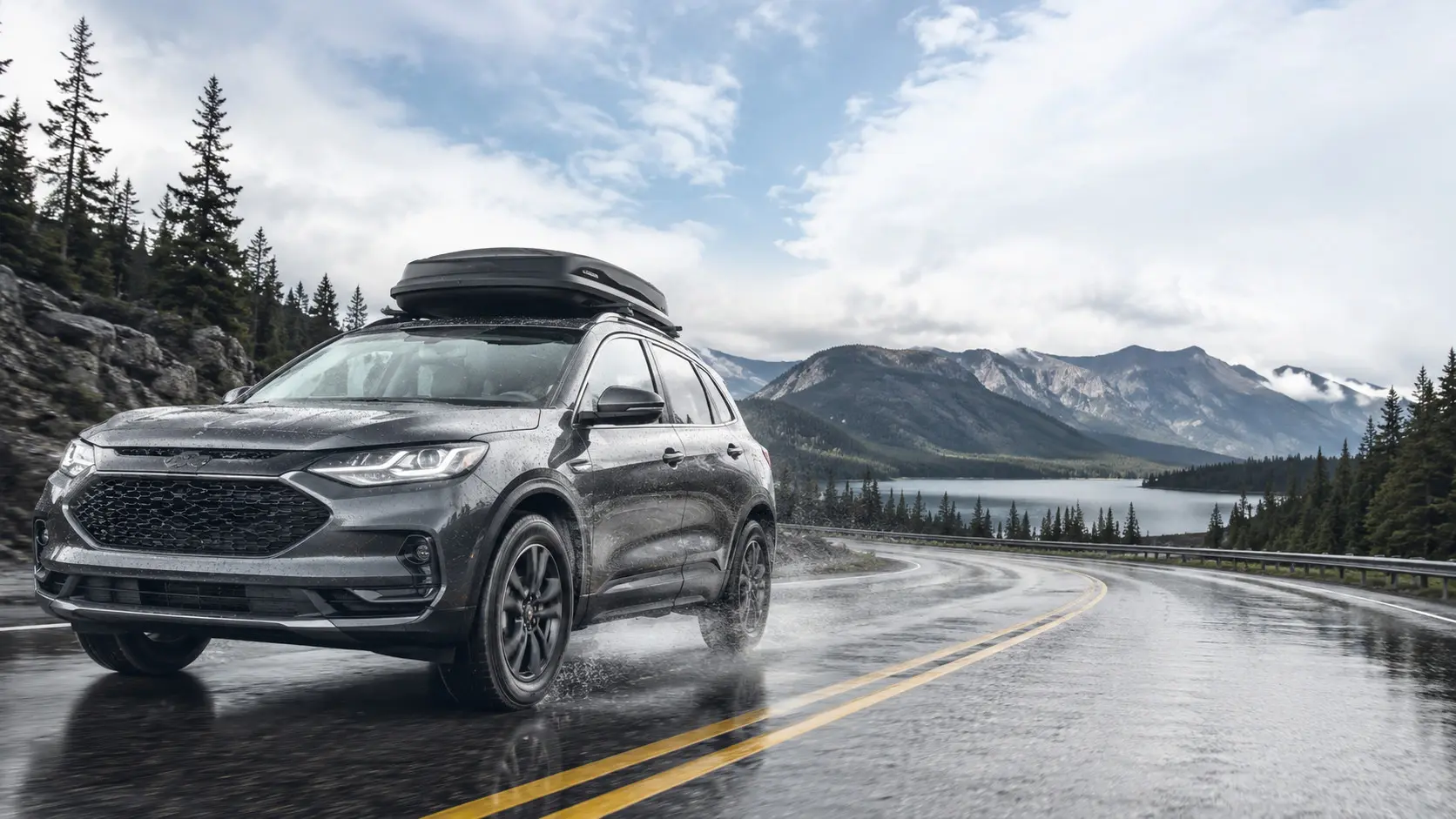
Family SUV Getaways: SUV2 Balances Comfort and Wet-Road Safety
A family SUV getaway can involve almost every type of summer driving Canada has to offer: early-morning city traffic, long stretches of highway, construction zones, cottage roads, sudden thunderstorms, and a fully loaded vehicle. The right tire must therefore do more than feel comfortable during a short test drive. It needs to remain predictable through changing road conditions while carrying passengers, luggage, sports equipment, and everything else the family brings along.
The Summit Trail Climber SUV2 is an all-season touring tire developed for crossovers and SUVs. Its design emphasizes three priorities that matter on family trips: reduced road noise, wet-road water evacuation, and a stable tread footprint intended to support consistent contact and even wear.
Those features make the Trail Climber SUV2 an appealing option for drivers who spend most of their time on paved roads and want a practical balance of highway comfort, wet-weather confidence, and tread-life value. It is important, however, to understand what the tire can—and cannot—do. No tread pattern can compensate for excessive speed, deep standing water, incorrect inflation, worn tread, or severe winter conditions.
Is the Summit Trail Climber SUV2 a Good Family SUV Tire?
Yes, it can be a sensible choice for family SUVs used mainly on paved roads in spring, summer, and fall. Its touring-oriented design targets ride comfort, reduced tread noise, wet handling, and even wear rather than aggressive off-road traction.
Summit identifies SPPS noise simulation, wide circumferential grooves, lateral shoulder grooves, and an optimized shoulder profile as key features of the Trail Climber SUV2. TireWarehouse listings also identify it as an all-season passenger SUV tire with a manufacturer kilometre rating of 96,000 km on applicable fitments. Warranty terms, vehicle use, maintenance, alignment, and driving conditions can all affect actual eligibility and tire life. :contentReference[oaicite:0]{index=0}
| Family-Travel Priority | Trail Climber SUV2 Design Feature | Practical Benefit |
|---|---|---|
| Cabin comfort | Computer-optimized tread lug arrangement | Helps reduce the repetitive tread noise that can become tiring during long drives |
| Wet-road traction | Wide circumferential and lateral shoulder grooves | Provides channels through which water can leave the contact area |
| Stable road manners | Wide footprint and optimized shoulder profile | Supports consistent tread contact during normal highway and urban driving |
| Tread-life value | Footprint designed to promote even wear | May help drivers obtain more consistent service life when inflation, rotation, and alignment are maintained |
| SUV fitment coverage | Standard-load and XL sizes across several wheel diameters | Provides options for many crossovers, two-row SUVs, and three-row family vehicles |
Why Family SUV Getaways Require a Balanced Tire
A family road-trip tire must balance comfort, traction, load capacity, and predictable handling rather than maximizing only one performance characteristic. An extremely aggressive tread may be useful on loose terrain but unnecessarily noisy on the highway. A performance-focused tire may provide sharper steering but deliver a firmer ride or shorter tread life. The best choice depends on where the SUV is actually driven.
Long-distance comfort matters
Tire noise that seems minor during a 15-minute commute can become noticeable after several hours on Highway 401, the Trans-Canada Highway, or a long route through the Prairies. Coarse pavement, concrete expansion joints, and grooved construction surfaces can all increase cabin noise.
The Trail Climber SUV2 uses what Summit calls SPPS noise simulation technology to optimize the tread lug arrangement. In practical terms, the tread blocks are arranged to reduce the concentration of repetitive sound frequencies as the tire rolls. The objective is a calmer, less intrusive sound rather than complete silence. Actual cabin noise will still depend on the SUV, pavement, tire size, inflation pressure, wheel alignment, and vehicle insulation. :contentReference[oaicite:1]{index=1}
Wet-weather confidence matters just as much
Canadian summer storms can turn a dry highway into a wet surface with standing water in a matter of minutes. Water often collects in worn wheel tracks, near bridge approaches, beside construction barriers, and in low sections of the roadway.
A family SUV may also be carrying more weight than it does during the normal workweek. That additional load makes correct tire pressure, adequate tread depth, and smooth driver inputs especially important. Wet-road safety is therefore not one feature; it is the result of tire design, tire condition, vehicle condition, speed, visibility, and driver behaviour working together.
Predictable handling is more valuable than dramatic handling
Most family SUV drivers do not need track-focused steering response. They need a tire that responds progressively when changing lanes, entering a highway ramp, avoiding debris, or braking in traffic.
The Trail Climber SUV2’s wide footprint and optimized shoulder profile are intended to maintain stable tread contact and promote even wear. Consistent contact helps the driver receive more predictable responses from the vehicle, provided the tires are correctly sized, inflated, installed, and maintained. :contentReference[oaicite:2]{index=2}
How the Trail Climber SUV2 Supports a More Comfortable Ride
The Trail Climber SUV2 supports comfort by controlling tread-pattern noise and maintaining a highway-oriented contact footprint. It is designed as an all-season touring tire, not as a heavily lugged all-terrain tire.
Optimized tread-block sequencing
Every tread block produces a small amount of sound when it contacts and leaves the pavement. When blocks of identical size are spaced in a repetitive pattern, those sounds can combine into a noticeable hum. Varying the tread arrangement can distribute the sound across different frequencies and make it less intrusive.
Summit’s SPPS design approach is intended to optimize this tread sequence. Families may appreciate the result during:
- Long highway drives with children sleeping in the second or third row
- Hands-free phone calls and in-cabin conversations
- Travel on coarse asphalt or older concrete surfaces
- Daily commuting when a quiet ride is a priority
- Weekend trips where most kilometres are travelled on pavement
A wide, road-focused footprint
A tire’s footprint is the portion of tread contacting the road. The shape of that footprint changes with load, inflation pressure, steering input, and suspension geometry.
The Trail Climber SUV2 uses a wide footprint with an optimized shoulder profile. Summit says this arrangement provides stable tread contact and promotes even wear. Even wear is relevant to comfort because irregular tread patterns—including cupping, feathering, and shoulder wear—can create vibration and increasing noise as kilometres accumulate. :contentReference[oaicite:3]{index=3}
Comfort still depends on the correct size
The tire model alone does not determine ride quality. A low-profile 21-inch fitment generally transmits road impacts differently than a higher-profile 17-inch fitment. XL tires may also have different load and inflation requirements than standard-load versions.
Always select the size, load index, and speed rating specified by the vehicle manufacturer or approved as an alternative by a qualified tire professional. Choosing a tire only because it physically fits the wheel can affect ride quality, clearance, speedometer accuracy, braking, and load capacity.
Expert tip: When comfort is a priority, compare complete fitments—not only tire brands. Sidewall height, wheel diameter, load range, pressure specification, alignment, and suspension condition all influence how an SUV feels on the road.
How the Trail Climber SUV2 Manages Wet Roads
The tire manages wet roads through broad longitudinal channels and lateral shoulder grooves that help move water away from the tread’s contact area. This design supports wet handling, but it does not make the vehicle immune to hydroplaning.
Wide circumferential grooves
Circumferential grooves run around the tire in the direction of travel. On a wet road, these channels create space for water to move through the tread instead of remaining directly beneath the footprint.
Summit specifically identifies its wide circumferential grooves as part of the Trail Climber SUV2’s wet-handling design. The grooves work with lateral channels near the shoulders to create multiple paths for water evacuation. :contentReference[oaicite:4]{index=4}
Lateral shoulder grooves
Water entering the central tread channels still needs a route toward the sides of the tire. Lateral shoulder grooves help direct water outward, especially as the tire rolls through a shallow film of water.
These outer grooves also interact with the shoulder blocks during cornering and lane changes. Their usefulness will decrease as tread wears, which is why a tire that performed confidently when new may feel different after many seasons of use.
Why tread depth remains critical
The Trail Climber SUV2 is listed with a new tread depth of 10/32 inch on current TireWarehouse fitments, equivalent to approximately 7.9 mm. New-tire specifications are only a starting point; drivers must monitor how much usable tread remains across the entire width of every tire. :contentReference[oaicite:5]{index=5}
Transport Canada advises that tire performance in rain or snow is compromised when tread depth falls below 4 mm and that the risk of losing control on wet or icy roads increases. This 4 mm guidance is a useful caution point even though provincial legal minimums may differ. :contentReference[oaicite:6]{index=6}
| Wet-Road Factor | Why It Matters | Driver Response |
|---|---|---|
| Tread depth | Deeper channels generally provide more space for water evacuation | Measure tread in several locations and replace tires before performance becomes unsuitable for your conditions |
| Vehicle speed | Higher speed gives the tread less time to move water | Slow down before entering standing water or heavy rain |
| Inflation pressure | Incorrect pressure can alter the intended footprint and handling response | Check all tires cold using the vehicle placard specification |
| Vehicle load | Passengers and cargo increase the load carried by the tires | Remain within payload and axle limits and follow the manufacturer’s loading instructions |
| Road surface | Ruts, polished pavement, oil residue, and pooled water can reduce grip | Increase following distance and avoid abrupt steering or braking |
| Tire wear pattern | Smooth shoulders or uneven wear may reduce available wet traction | Correct alignment, rotation, suspension, or inflation problems promptly |
No tire eliminates hydroplaning risk
Hydroplaning occurs when enough water builds beneath a tire to reduce effective contact with the road. Risk is influenced by speed, water depth, tread design, tread depth, pressure, road texture, and tire condition.
Before a highway trip, inspect the tread across its full width and look for smooth shoulders, exposed wear bars, cuts, bulges, or uneven wear. During heavy rain, reduce speed, increase following distance, and make steering, braking, and throttle inputs progressively. :contentReference[oaicite:7]{index=7}
Wet-road tip: If the steering suddenly feels unusually light in standing water, avoid a sharp steering correction or abrupt braking. Ease off the accelerator smoothly, keep the wheel pointed in the intended direction, and allow the tires to regain contact.
What Types of Family Trips Suit the Trail Climber SUV2?
The Trail Climber SUV2 is best suited to paved-road family travel, including commuting, highway touring, suburban driving, and occasional maintained gravel access roads. It is not positioned as a severe-winter tire or a dedicated off-road tire.
Highway vacations
The tire’s noise-focused tread design and broad footprint align well with long paved-road journeys. Examples include drives from Toronto to Ottawa, Calgary to Banff, Edmonton to Jasper, Halifax to Cape Breton, or Vancouver to the Okanagan.
On these routes, families often encounter a mix of smooth highway pavement, coarse resurfaced sections, construction detours, and heavy rain. A touring all-season tire is designed to address this broad range of normal road conditions without the aggressive tread noise of an off-road pattern.
Daily driving plus weekend escapes
Many SUVs serve two roles: weekday commuter and weekend family vehicle. The Trail Climber SUV2 is relevant to this use because its design does not require the owner to sacrifice everyday comfort for occasional recreational travel.
It can make sense for drivers whose weekend destinations include:
- Provincial parks reached mainly by paved roads
- Campgrounds with maintained access lanes
- Cottages reached by graded gravel roads
- Beaches, trailheads, sports fields, and ski-area parking lots in non-winter conditions
- Hotels and attractions along major Canadian highway corridors
Light gravel rather than technical off-roading
The “Trail Climber” name should not be interpreted as proof that the SUV2 is an all-terrain tire. Its tread and construction are oriented toward passenger SUVs and crossovers used primarily on the road.
Occasional driving on firm, maintained gravel is different from travelling through deep mud, sharp rock, sand, ruts, or remote forestry roads. Drivers who regularly encounter those surfaces should compare the Trail Climber SUV2 with a purpose-built all-terrain tire that offers the appropriate tread depth, casing protection, and off-road traction features.
Is the Trail Climber SUV2 Suitable for Canadian Winter?
The Trail Climber SUV2 is an all-season tire, so it should not be treated as a substitute for a dedicated winter tire in sustained cold, snow, or ice. Its strongest use case is paved-road driving in warmer seasons and moderate conditions.
Transport Canada explains that all-season and summer tire compounds begin to lose elasticity below 7°C, reducing traction, while winter tires remain flexible at lower temperatures. Transport Canada also recommends looking for the Three-Peak Mountain Snowflake symbol when selecting tires designed for severe snow conditions.
| Driving Condition | Trail Climber SUV2 Suitability | Better Alternative When Needed |
|---|---|---|
| Warm, dry pavement | Well aligned with its touring all-season design | Not normally necessary |
| Summer rain | Wide grooves are designed to support water evacuation | Reduce speed and maintain tread regardless of tire model |
| Cool autumn mornings above the seasonal changeover point | Usable when roads remain free of winter conditions | Prepare for winter installation as temperatures trend toward 7°C |
| Repeated temperatures below 7°C | All-season compound performance becomes less suitable | Four matched winter tires |
| Snow-covered or icy roads | Not the preferred category | Winter tires bearing the Three-Peak Mountain Snowflake symbol |
| Regions requiring winter-rated equipment | Verify markings and local requirements before travel | Use compliant winter or qualifying all-weather tires as permitted |
Quebec requires qualifying winter tires during its legislated winter period for most registered passenger vehicles. British Columbia also requires appropriate winter tires or chains on designated routes during posted periods. Regulations and route requirements can change, so verify current provincial guidance before travelling.
How to Prepare the Tires Before a Family SUV Getaway
A complete pre-trip inspection is more important than relying on the reputation or features of any tire model. Check pressure, tread, sidewalls, loading, and mechanical condition before the SUV is filled with passengers and cargo.
- Confirm the correct tire size. Compare the sidewall markings with the driver’s door-jamb placard or owner’s manual.
- Check the cold inflation pressure. Measure pressure before driving or after the vehicle has been parked long enough for the tires to cool.
- Use the vehicle placard specification. Do not inflate to the maximum sidewall pressure unless that value is specifically required by the vehicle manufacturer for the application.
- Inspect tread depth across the full width. Check the inner, centre, and outer tread rather than measuring only one easy-to-reach location.
- Look for irregular wear. Feathering, one-sided wear, cupping, or smooth shoulders can indicate pressure, alignment, suspension, or rotation problems.
- Inspect every sidewall. Look for cuts, bulges, cracking, exposed cords, impact damage, or objects embedded near the tread.
- Check the spare tire. Confirm that it is inflated, accessible, and compatible with the vehicle’s intended emergency-use procedure.
- Review the SUV’s payload limit. Account for passengers, luggage, bicycles, roof cargo, pets, and accessories.
- Check the TPMS warning light. A tire pressure monitoring system is useful, but it does not replace a manual pressure check.
- Inspect the brakes and suspension. Tires cannot deliver predictable braking or handling when other vehicle systems are in poor condition.
- Schedule rotation when due. Keeping tread depths similar can support consistent handling and more even service life.
- Recheck after a major temperature change. Ambient temperature changes can affect cold inflation pressure.
TireWarehouse recommends checking pressure cold, comparing readings with the vehicle placard, inspecting the spare, and examining tread and sidewalls before a long highway journey. Pressure should also be checked before carrying a heavy load or towing.
How to Select the Correct Trail Climber SUV2 Size
Choose the Trail Climber SUV2 by complete fitment—not simply by wheel diameter or vehicle model. The tire must match the required width, aspect ratio, rim diameter, load index, speed rating, and construction requirements.
The manufacturer’s current product sheet lists Trail Climber SUV2 fitments for wheel diameters from 16 to 21 inches, including both standard-load and XL versions. Individual specifications vary significantly. For example, TireWarehouse lists a 265/65R17 112H version and a 235/55R20 105V XL version, each with different dimensions, load indexes, and inflation limits.
Understand the service description
A size such as 265/65R17 112H contains several separate specifications:
- 265: Nominal tire width in millimetres
- 65: Sidewall height expressed as a percentage of the width
- R: Radial construction
- 17: Wheel diameter in inches
- 112: Load index
- H: Speed rating
The load index is particularly important on a family SUV because passengers and luggage increase the operating load. Never substitute a lower load index or an unsuitable speed rating without approval from the vehicle or tire manufacturer.
Do not use the sidewall maximum as the normal target pressure
The maximum pressure moulded into the sidewall describes a tire limit under specified conditions; it is not automatically the correct pressure for the SUV. The normal cold inflation target is found on the vehicle information placard, commonly located on the driver’s door jamb.
Front and rear specifications may differ. Some manufacturers also provide separate instructions for heavy loading, towing, or sustained high-speed operation. Follow the vehicle owner’s manual rather than relying on a generic pressure recommendation.
Trail Climber SUV2 Versus Other SUV Tire Categories
The Trail Climber SUV2 fits between basic everyday all-season needs and more specialized tire categories. Its strongest advantages are road comfort, wet-weather tread features, broad SUV fitment, and value-oriented tread-life coverage.
| Tire Category | Typical Strength | Typical Compromise | Best Use |
|---|---|---|---|
| Summit Trail Climber SUV2 | Comfort-oriented all-season design with wet-road grooves and stable footprint | Not intended to replace severe-winter or dedicated off-road tires | Daily driving and family road trips on paved roads |
| Premium touring all-season | May offer more refined noise, braking, or efficiency characteristics depending on model | Often costs more | Drivers prioritizing maximum touring refinement |
| All-weather tire | Designed for year-round use and normally carries the 3PMSF symbol | May be noisier or wear differently in warm weather depending on design | Moderate four-season climates where legal and appropriate |
| Dedicated winter tire | Cold-weather compound and severe-snow traction | Requires seasonal changeover and storage | Repeated temperatures below 7°C, snow, slush, and ice |
| All-terrain tire | Loose-surface traction and more rugged tread features | May add noise, weight, rolling resistance, or ride firmness | Frequent gravel, forestry roads, worksites, and mild off-road use |
| Performance SUV tire | Sharper warm-weather steering and cornering response | Potentially firmer ride or faster wear | Sport-oriented SUVs and drivers prioritizing response |
Common Mistakes That Reduce Comfort and Wet-Road Safety
Most tire-performance problems are made worse by incorrect fitment, neglected maintenance, excessive speed, or unrealistic expectations. Avoiding these mistakes helps the Trail Climber SUV2 perform closer to its intended design.
Expecting the tire to overcome standing water
Wide grooves can help evacuate water, but every tread has a limit. Entering deep water at highway speed can overwhelm available drainage capacity. Slow down before reaching pooled water and avoid using cruise control during intense rain where speed may need frequent adjustment.
Waiting for the TPMS light
A TPMS warning usually indicates a meaningful pressure difference, but it is not a precision maintenance tool. Check pressure manually at least monthly, before a long trip, and after major temperature changes.
Measuring tread in only one location
An SUV with poor alignment may retain acceptable tread in the centre while wearing the inner shoulder dangerously low. Turn the steering wheel when practical and safely inspect the full visible tread, or ask a tire professional to place the vehicle on a lift.
Mixing different tires
Using different models, sizes, constructions, or significantly different tread depths can change how each axle responds in rain or during emergency manoeuvres. Four matched tires are preferable. Where replacement of fewer than four tires is unavoidable, follow the vehicle manufacturer’s instructions and professional installation guidance.
Assuming the warranty guarantees a specific lifespan
The Trail Climber SUV2 is offered with limited treadwear coverage equivalent to approximately 96,000 km on listed fitments, but a warranty is not a prediction that every driver will reach that distance. Rotation records, alignment, inflation, road conditions, vehicle type, driving habits, and warranty exclusions all matter. Review the current written terms before purchase. :contentReference[oaicite:11]{index=11}
Using an all-season tire too late into winter
Waiting for the first major snowfall can make seasonal tire installation difficult and may leave the SUV on less suitable tires during cold rain, frost, or an early storm. Plan the winter changeover when temperatures are consistently approaching 7°C rather than waiting for snow to accumulate.
Final Recommendation: Who Should Choose the Trail Climber SUV2?
The Summit Trail Climber SUV2 is a practical option for value-conscious families seeking a comfortable all-season SUV tire for paved-road travel and wet summer conditions. Its wide water channels, lateral shoulder grooves, noise-optimized tread arrangement, and stable footprint directly address concerns that matter during family road trips.
It is especially relevant for drivers who:
- Use a crossover or SUV primarily on paved roads
- Want a quieter, touring-oriented alternative to an aggressive all-terrain tire
- Regularly encounter summer rain and wet highways
- Value a limited treadwear warranty and broad size availability
- Use dedicated winter tires when Canadian temperatures and conditions require them
- Are prepared to maintain pressure, alignment, rotation, and tread depth
Choose a different tire category when severe winter traction, regular off-road durability, maximum performance handling, or a 3PMSF-rated year-round solution is the main priority.
The Trail Climber SUV2’s appeal is not based on one extreme capability. It comes from combining useful everyday characteristics in a family-friendly package: controlled road noise, stable highway manners, water-evacuating grooves, and reasonable tread-life coverage. Correct fitment and responsible driving remain essential, but for the right SUV and travel pattern, that balance can make both daily errands and long Canadian getaways more comfortable and reassuring.
Frequently Asked Questions About the Summit Trail Climber SUV2
Is the Summit Trail Climber SUV2 good for family road trips?
Yes. It is designed as an all-season passenger SUV and crossover tire with an emphasis on ride comfort, wet handling, and even tread contact. These characteristics are relevant to long paved-road trips, provided the tire is correctly sized, maintained, and suitable for the season.
Is the Trail Climber SUV2 a quiet tire?
Summit uses SPPS noise simulation technology to optimize the arrangement of the tread lugs and minimize road noise. Actual sound levels will depend on pavement, tire size, pressure, wear, alignment, and the vehicle’s cabin insulation. :contentReference[oaicite:12]{index=12}
Does the Trail Climber SUV2 perform well in rain?
The tread includes wide circumferential grooves and lateral shoulder grooves designed to support water evacuation and wet handling. Adequate tread depth, correct pressure, reduced speed, and increased following distance remain necessary in heavy rain.
Can the Trail Climber SUV2 prevent hydroplaning?
No tire can prevent hydroplaning under every condition. The Trail Climber SUV2’s grooves are designed to manage water, but hydroplaning risk still increases with speed, deep water, worn tread, incorrect pressure, and poor road conditions.
Is the Trail Climber SUV2 a winter tire?
No. It is categorized as an all-season tire. For repeated temperatures below 7°C, snow, slush, or ice, use four appropriately sized winter tires carrying the Three-Peak Mountain Snowflake symbol.
Is the Trail Climber SUV2 an all-weather tire?
It is marketed as an all-season passenger SUV tire, not as a severe-snow-rated all-weather tire. Drivers seeking one set for winter use should verify the required sidewall markings and provincial regulations before making a decision.
What tread depth does a new Trail Climber SUV2 have?
Current manufacturer and TireWarehouse specifications list 10/32 inch of tread depth for the available sizes reviewed, which is approximately 7.9 mm. Specifications should still be confirmed for the exact size being purchased. :contentReference[oaicite:13]{index=13}
What warranty is offered with the Trail Climber SUV2?
Listed fitments carry a 60,000-mile limited treadwear warranty, represented by TireWarehouse as approximately 96,000 km. It is a limited warranty with conditions and exclusions, so owners should review the current manufacturer documentation and retain maintenance records. :contentReference[oaicite:14]{index=14}
How often should Trail Climber SUV2 tires be rotated?
Follow the SUV manufacturer’s rotation interval and the tire warranty requirements. A common interval may be approximately 8,000 to 12,000 km, but the correct schedule depends on the vehicle, drivetrain, tire instructions, and operating conditions.
What pressure should I use in Trail Climber SUV2 tires?
Use the cold inflation pressure listed on the vehicle’s door-jamb placard or in the owner’s manual. Do not automatically use the maximum pressure printed on the tire sidewall. Front and rear pressures may differ.
Can I install only two Trail Climber SUV2 tires?
Four matching tires provide the most consistent response. When only two tires are replaced, follow the vehicle manufacturer’s guidance and have the installation completed by a qualified professional. The tires with deeper tread are commonly placed on the rear axle to support directional stability, but vehicle-specific requirements take priority.
Is the Trail Climber SUV2 suitable for gravel cottage roads?
It can handle occasional maintained gravel access roads when driven cautiously, but it is not a dedicated all-terrain tire. Frequent travel over sharp rocks, deep ruts, loose soil, or remote trails may justify a more rugged tire category.
How do I know whether the Trail Climber SUV2 fits my SUV?
Match the complete size, load index, speed rating, and load-range requirements shown on the vehicle placard. Use a vehicle fitment tool or consult a tire specialist rather than selecting by SUV make and model alone.
When should I replace the tires for wet-road driving?
Replace tires when they reach the applicable legal limit, show damage, develop significant irregular wear, or no longer provide suitable performance for your conditions. Transport Canada warns that performance in rain or snow is compromised below 4 mm of tread, making that depth an important wet-weather caution point.
Recommended Related Reading
- View the Summit Trail Climber SUV2 265/65R17 112H specifications
- Explore the Summit Trail Climber SUV2 235/55R20 105V XL fitment
- How summer heat affects tire pressure during highway travel
- How to read tire size, load index, speed rating, and sidewall specifications
- When an all-terrain tire may be better for gravel roads and campsites
In stock & ready to ship
Find the tires you need, delivered from a warehouse near you