
Family Minivan Winter Tire Guide: Confidence on Icy Highways
Choosing the right winter tires for your minivan is the fastest way to improve braking, steering, and stability on long-distance winter drives—especially when temperatures drop below 7°C and roads turn to packed snow or ice.
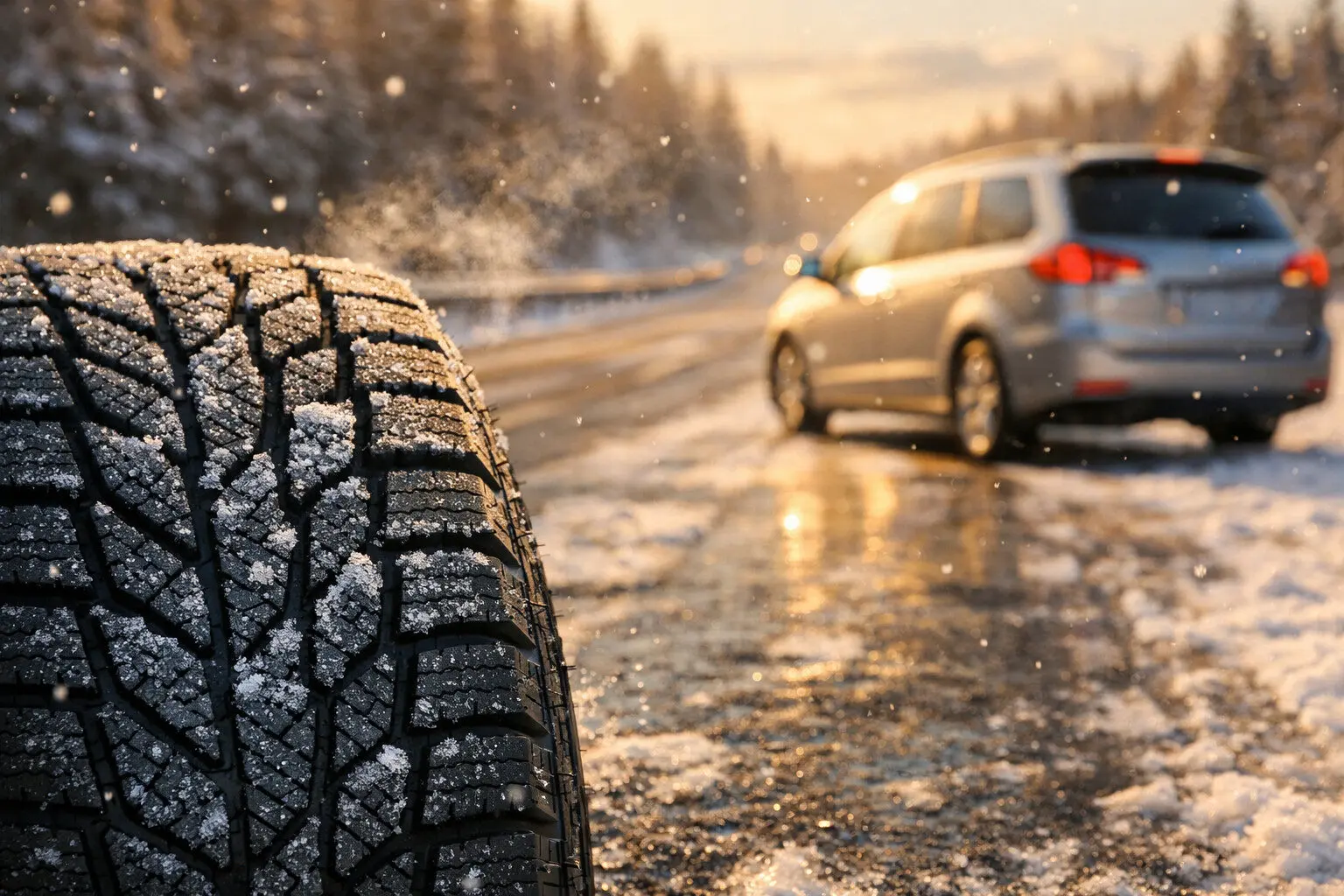
Family minivans do a lot: school runs, weekend sports, and the big one—long winter drives to visit family. The challenge is that a heavier vehicle with precious cargo needs predictable traction when conditions swing from dry pavement to slush, then suddenly to black ice.
Winter tires aren’t just “nice to have.” They’re engineered to stay flexible in cold temperatures, bite into snow, and reduce stopping distances compared to all-season tires once it’s truly winter outside.
1) What to look for on the sidewall (the quick safety check)
When shopping for minivan winter tires, prioritize the Three-Peak Mountain Snowflake (3PMSF) symbol. This marking indicates the tire meets a snow-traction performance standard designed for severe winter conditions.
Pro tip for road trips: If you regularly drive mixed conditions (cold dry highways + surprise snow squalls), 3PMSF is the easiest “filter” that keeps you out of sketchy options.
2) Winter tires vs all-weather tires for minivans
-
Winter tires (3PMSF): Best grip on ice and packed snow—ideal for long-distance travel and consistent sub-zero conditions.
-
All-weather tires (also often 3PMSF): A solid compromise if you want one set year-round, but dedicated winters usually win when roads turn to glare ice.
If your winter includes frequent highway travel outside major cities, dedicated winters are typically the safer bet.
3) Get the right load rating (minivan-specific must)
Minivans carry people + luggage + gear, so don’t “downsize” load capacity to save money. Match (or exceed) your OEM load index and use the correct speed rating for highway driving. This is especially important for long trips where heat buildup and stability matter.
4) Tread depth matters more than most people think
Even the best winter tire loses its edge when tread gets too low. Many Canadian safety resources recommend keeping healthy winter tread for snow traction (a common guideline is around 4 mm as a practical minimum target for winter effectiveness).
Road-trip rule: If you’re planning a long winter drive, don’t start it with “almost-done” winters.
5) Long-distance safety checklist (simple, effective)
Before you head out:
-
Set tire pressure when tires are cold (temperature swings can drop PSI).
-
Pack a small compressor and a gauge.
-
Confirm matching tires on all four corners (especially on a heavier front-wheel-drive minivan).
-
Increase following distance and avoid cruise control on icy patches.
6) Canada compliance reminders (worth knowing)
If you travel between provinces, rules can affect your trip planning:
-
Québec: Winter tires are required December 1 to March 15.
-
British Columbia: Winter tires or chains are required on many designated routes October 1 to April 30 (some end March 31 depending on the highway).
(Always watch for posted signage—routes and conditions can vary.)
7) What to buy for a family minivan (the “best fit” traits)
For safe winter road trips, look for:
-
3PMSF-rated winter tires
-
Balanced highway comfort (lower noise, stable handling)
-
Strong wet + slush evacuation (wide circumferential grooves)
-
Reinforced construction for heavier loads and predictable steering feel
In stock & ready to ship
Find the tires you need, delivered from a warehouse near you