
Winter Tire Pressure Guide: How Cold Weather Impacts PSI and TPMS Sensors
Cold temperatures can reduce tire pressure, trigger TPMS warnings, and affect your vehicle’s handling on icy roads. Learn how PSI changes in winter, how to read TPMS alerts, and the best practices to keep your winter tires performing at their peak during Canada’s harshest months.
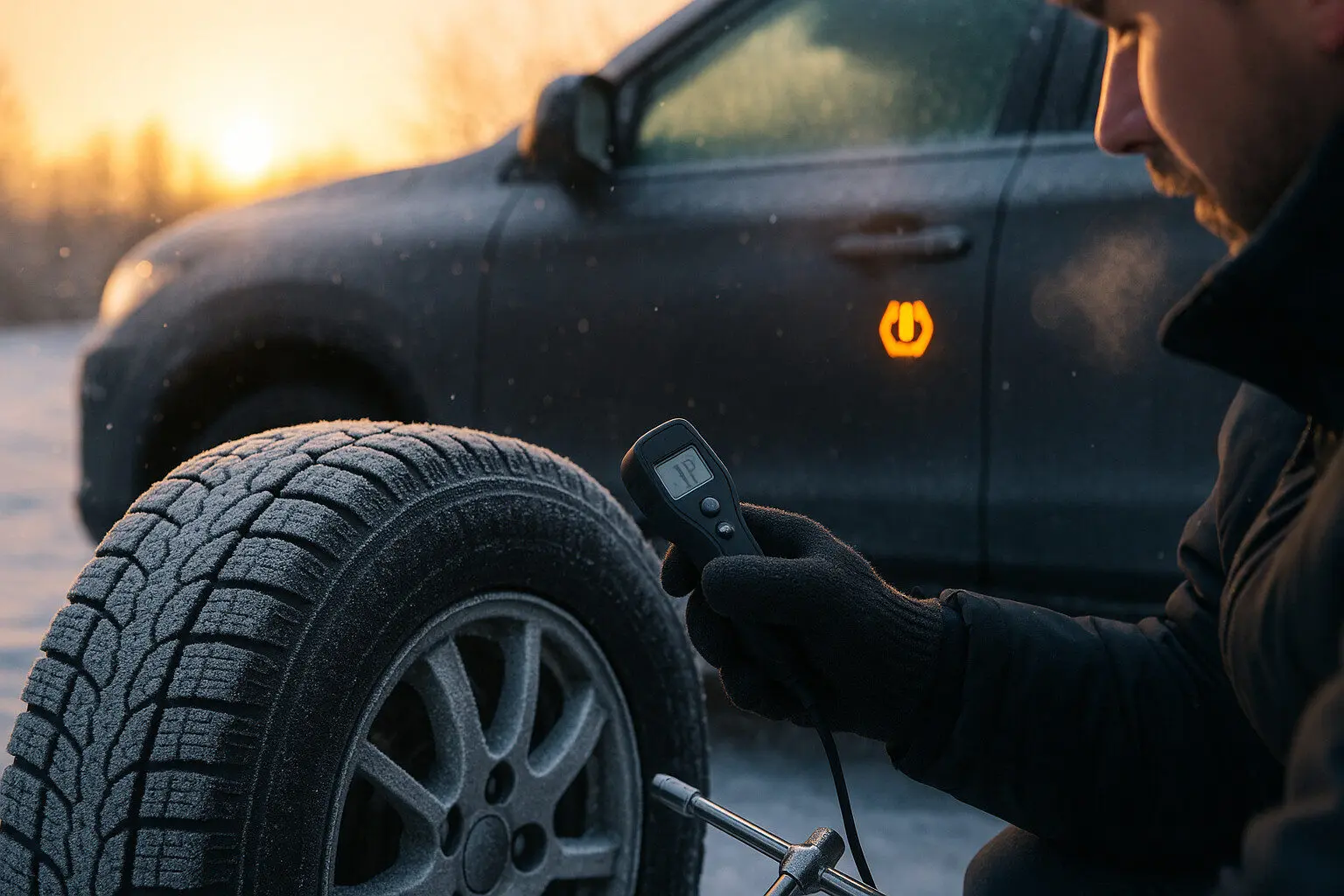
Canada’s winter roads demand traction, control, and stability—and tire pressure plays a bigger role than many drivers realize. When temperatures drop, tire pressure drops too, affecting everything from braking distance to how your TPMS (Tire Pressure Monitoring System) reacts.
In this guide, we’ll explain why winter tire pressure changes, how to maintain safe PSI levels, what your TPMS light really means, and how to protect your tires all season long.
Why Tire Pressure Drops in Winter
Winter temperatures can dramatically reduce air pressure in your tires. As a rule of thumb:
For every 5°C drop in temperature, tires lose about 1 PSI.
This means:
-
If your tires were filled at 20°C, and the temperature drops to -10°C, you could easily lose 6 PSI or more.
-
Low pressure reduces traction, increases tire wear, and negatively impacts fuel economy.
Winter tires are designed with softer rubber compounds for cold weather—but they still need correct PSI to perform at their best.
Recommended Pressure for Winter Tires
Most vehicles list the correct tire pressure on:
-
The driver’s side door jamb
-
The owner’s manual
-
Occasionally, the fuel door
This factory recommendation applies to both all-season and winter tires.
Do NOT reduce PSI for more traction.
Underinflation increases rolling resistance and reduces handling and braking ability—making winter driving more dangerous.
How Cold Weather Affects TPMS Sensors
1. Your TPMS Light May Turn On During Temperature Drops
As overnight temperatures drop, your TPMS might detect low pressure even if tires were recently filled. This is normal and usually caused by a temporary drop in PSI.
2. TPMS Doesn’t Adjust for Seasonal Changes
TPMS alerts you when your pressure is too low—it doesn’t correct it. You still need to check PSI manually, especially during early winter cold snaps.
3. Metal Valve Stems on Some TPMS Sensors Are Sensitive to Salt
Road salt, slush, and corrosion can wear down TPMS components. This is one reason many Canadian drivers choose winter rims during the season:
-
They protect your primary wheels
-
They reduce wear on TPMS components
-
They make seasonal changeovers easier and cheaper
How Often Should You Check Winter Tire Pressure?
To maintain peak winter performance, check PSI:
-
Every two weeks
-
During major cold snaps
-
After long road trips
-
When your TPMS light turns on
Keeping PSI stable ensures strong winter traction and even treadwear.
Signs Your Winter Tires Are Underinflated
Watch for:
-
Sluggish steering
-
Reduced traction on snow and slush
-
Increased stopping distance
-
Visible sidewall bulging
-
TPMS warnings
-
Lower fuel economy
If you notice any of these signs, check tire pressure immediately.
Can You Drive With a Low-Pressure TPMS Warning?
You can, but you shouldn’t.
Driving on low pressure can:
-
Damage the tire
-
Increase risk of blowouts
-
Cause uneven wear
-
Reduce vehicle stability on icy roads
Top up the tires as soon as possible—and confirm PSI level manually.
Best Practices for Winter Tire Pressure in Canada
✔ Maintain factory-recommended PSI
Never adjust pressure below vehicle specs.
✔ Check PSI when tires are “cold”
This means the vehicle hasn’t been driven for at least 3 hours.
✔ Fill tires indoors when possible
Indoor air is warmer and helps ensure more stable PSI.
✔ Consider nitrogen inflation
Nitrogen is less affected by temperature swings, helping maintain steady pressure. (Many TireWarehouse.ca locations and partners offer this.)
✔ Inspect TPMS valves
Cold, salt, and slush can damage sensors—proper cleaning and seasonal maintenance help preserve them.
AEO Quick Answers for Drivers
Does cold weather affect tire pressure?
Yes. Tires lose about 1 PSI for every 5°C drop in temperature.
Should winter tires have higher or lower PSI?
Use the vehicle’s recommended PSI—not higher, not lower.
Why does my TPMS light turn on in winter?
Temperature drops lower your PSI, triggering the TPMS system.
How often should I check winter tire pressure?
Every two weeks, or whenever the temperature drops suddenly.
Can TPMS fail in winter?
Sensors can malfunction due to corrosion, low battery, or damaged valve stems—but most issues stem from cold-related PSI drops.
Final Thoughts
Proper tire pressure is one of the simplest and most effective ways to stay safe during Canadian winters. By understanding how cold weather affects PSI and TPMS sensors, you’ll enjoy better traction, more predictable handling, and longer tire life.
Explore top winter tire options from brands like Bridgestone, Cooper, BFGoodrich, and Mickey Thompson at TireWarehouse.ca—with fast shipping anywhere in Canada.
In stock & ready to ship
Find the tires you need, delivered from a warehouse near you