
Spring Reset for Your Ride: Tires, Rims & TPMS After Winter
Winter leaves more than just memories — it leaves wear. Discover how to inspect your tires, rims, and sensors to ensure peak performance, safety, and savings this spring.
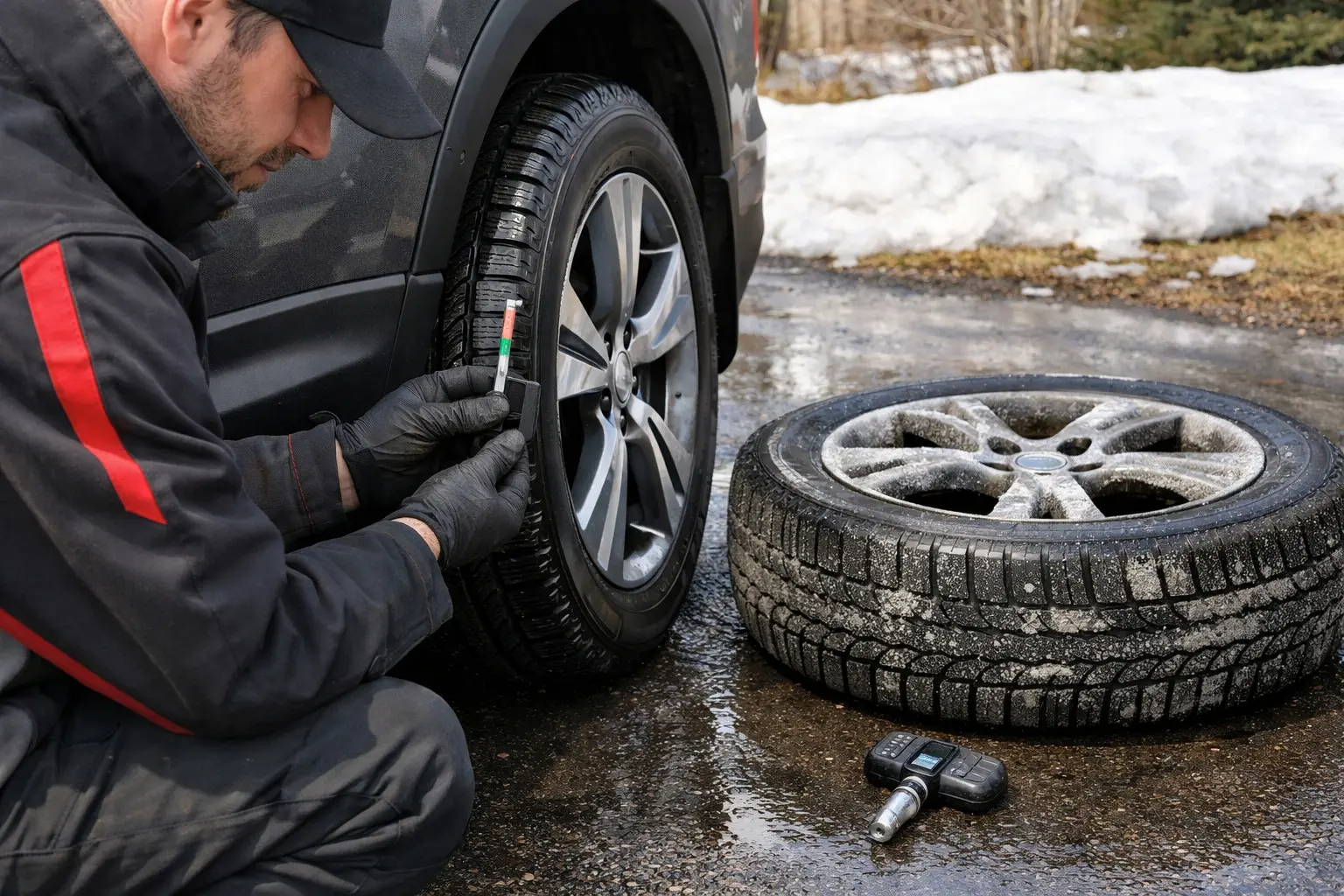
Winter driving in Canada is tough on your vehicle. Snow, ice, salt, potholes, and freezing temperatures all take a toll on your tires, rims, and TPMS sensors. As temperatures rise, a proper post-winter inspection isn’t just recommended — it’s essential.
At Tirewarehouse.ca, we know that seasonal transitions are the perfect time to evaluate your wheel setup and prepare for warmer roads.
1. Inspecting Your Tires After Winter
✔ Tread Depth
Cold pavement and rough surfaces wear down tread faster. Use a tread depth gauge — anything below 4/32” means it’s time to start shopping for replacements. If you’re switching from winter tires to all-season or summer tires, inspect both sets carefully.
✔ Uneven Wear Patterns
Look for:
-
Feathering
-
Cupping
-
Inner or outer edge wear
These may indicate alignment or suspension issues.
✔ Sidewall Damage
Salt and road debris can cause cracking or bubbling. Even small sidewall damage can compromise tire integrity.
If your winter tires are worn out, consider upgrading before next season. Brands like Michelin, Bridgestone, and Goodyear offer durable winter and all-season options designed for Canadian conditions.
2. Checking Your Rims for Winter Damage
✔ Look for Bends or Cracks
Hitting hidden potholes can bend alloy rims or even cause hairline fractures. Vibrations at highway speeds are often a warning sign.
✔ Corrosion & Rust
Steel wheels are particularly vulnerable to salt corrosion. Surface rust can spread quickly if untreated.
✔ Bead Seat Condition
Inspect where the tire seals against the rim. Corrosion in this area can lead to slow air leaks.
Upgrading to corrosion-resistant alloy wheels can extend longevity and improve vehicle aesthetics heading into spring and summer.
3. Don’t Forget Your TPMS Sensors
✔ Battery Life
Most TPMS sensor batteries last 5–10 years. Seasonal temperature swings can accelerate failure.
✔ Warning Lights
If your TPMS light stays on after adjusting tire pressure, the sensor may need recalibration or replacement.
✔ Reprogramming After Seasonal Change
Switching between winter and summer sets? Sensors may need reprogramming to communicate properly with your vehicle.
Properly functioning TPMS improves:
-
Fuel efficiency
-
Tire lifespan
-
Road safety
Why Post-Winter Maintenance Matters
Neglecting spring tire inspections can lead to:
-
Reduced fuel efficiency
-
Poor handling in wet spring conditions
-
Increased braking distances
-
Premature tire replacement costs
A simple inspection now can save hundreds of dollars later.
Ready for Spring Driving?
Whether you need new tires, replacement rims, or TPMS sensors, Tirewarehouse.ca offers competitive pricing, fast shipping across Canada, and top-tier brands for every vehicle type.
Make post-winter maintenance part of your annual routine — your safety (and your wallet) will thank you.
In stock & ready to ship
Find the tires you need, delivered from a warehouse near you