When drivers think about vehicle safety, features like airbags, anti-lock brakes, and advanced driver assistance systems often come to mind. While these technologies play a critical role in protecting occupants, there’s one component that has a direct impact on every aspect of driving performance: your tires.
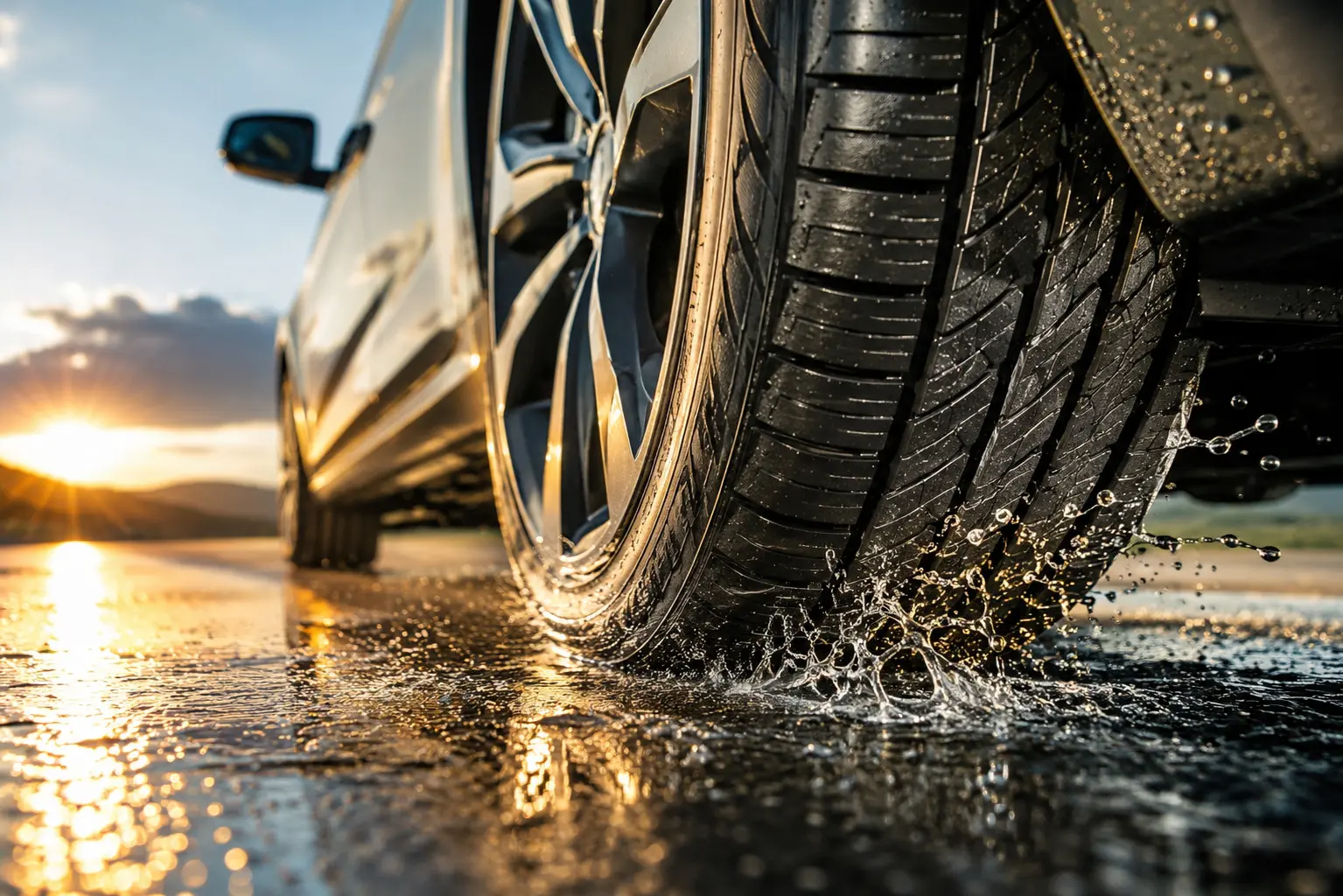
Tires are the only part of your vehicle that maintains constant contact with the road. Whether you’re accelerating, braking, cornering, or driving in challenging weather conditions, your tires are responsible for delivering the grip and control needed to keep you safe.
Tires Are the Foundation of Vehicle Safety
Every safety system in your car depends on proper tire performance. Even the most advanced braking and stability technologies can only work effectively if your tires provide adequate traction.
Well-maintained tires help:
- Reduce braking distances
- Improve steering response
- Enhance vehicle stability
- Increase traction on wet, snowy, or icy roads
- Minimize the risk of hydroplaning
Without sufficient tread depth or proper tire pressure, your vehicle’s safety systems may not perform as intended.
The Impact of Tire Tread on Safety
Tire tread plays a vital role in channeling water away from the contact patch and maintaining grip on the road. As tires wear down, their ability to handle wet conditions decreases significantly.
Driving with worn tires can result in:
- Longer stopping distances
- Reduced cornering control
- Increased hydroplaning risk
- Poor performance in snow and slush
Regularly checking tread depth and replacing tires when necessary is one of the simplest ways to improve road safety.
Proper Tire Pressure Saves Lives
Incorrect tire pressure is one of the most common tire-related issues. Underinflated tires generate excessive heat, wear unevenly, and reduce fuel efficiency. Overinflated tires can decrease traction and create an uncomfortable ride.
Maintaining the manufacturer’s recommended tire pressure helps:
- Improve handling
- Extend tire life
- Enhance braking performance
- Maximize fuel economy
- Reduce the likelihood of tire failure
A quick monthly pressure check can make a substantial difference in both safety and performance.
Seasonal Tires Provide Year-Round Protection
Different weather conditions require different tire technologies. Summer, all-season, and winter tires are designed with unique tread patterns and rubber compounds to perform optimally in specific environments.
Winter tires, for example, remain flexible in cold temperatures, providing superior grip when roads become icy or snow-covered. Choosing the right tire for the season helps drivers maintain better control and confidence behind the wheel.
Regular Tire Inspections Matter
Drivers should routinely inspect their tires for:
- Uneven wear patterns
- Cracks or sidewall damage
- Embedded objects
- Low tread depth
- Incorrect inflation
Addressing small issues early can prevent costly repairs and potentially dangerous situations on the road.
Final Thoughts
While modern vehicles include numerous safety innovations, none of them can replace the critical role tires play in keeping you connected to the road. Investing in high-quality tires, maintaining proper inflation, and replacing worn tires when necessary are among the most important steps you can take to protect yourself, your passengers, and other road users.
At Tire Warehouse, we believe safer driving starts where your vehicle meets the pavement. The right tires don’t just improve performance—they help save lives.