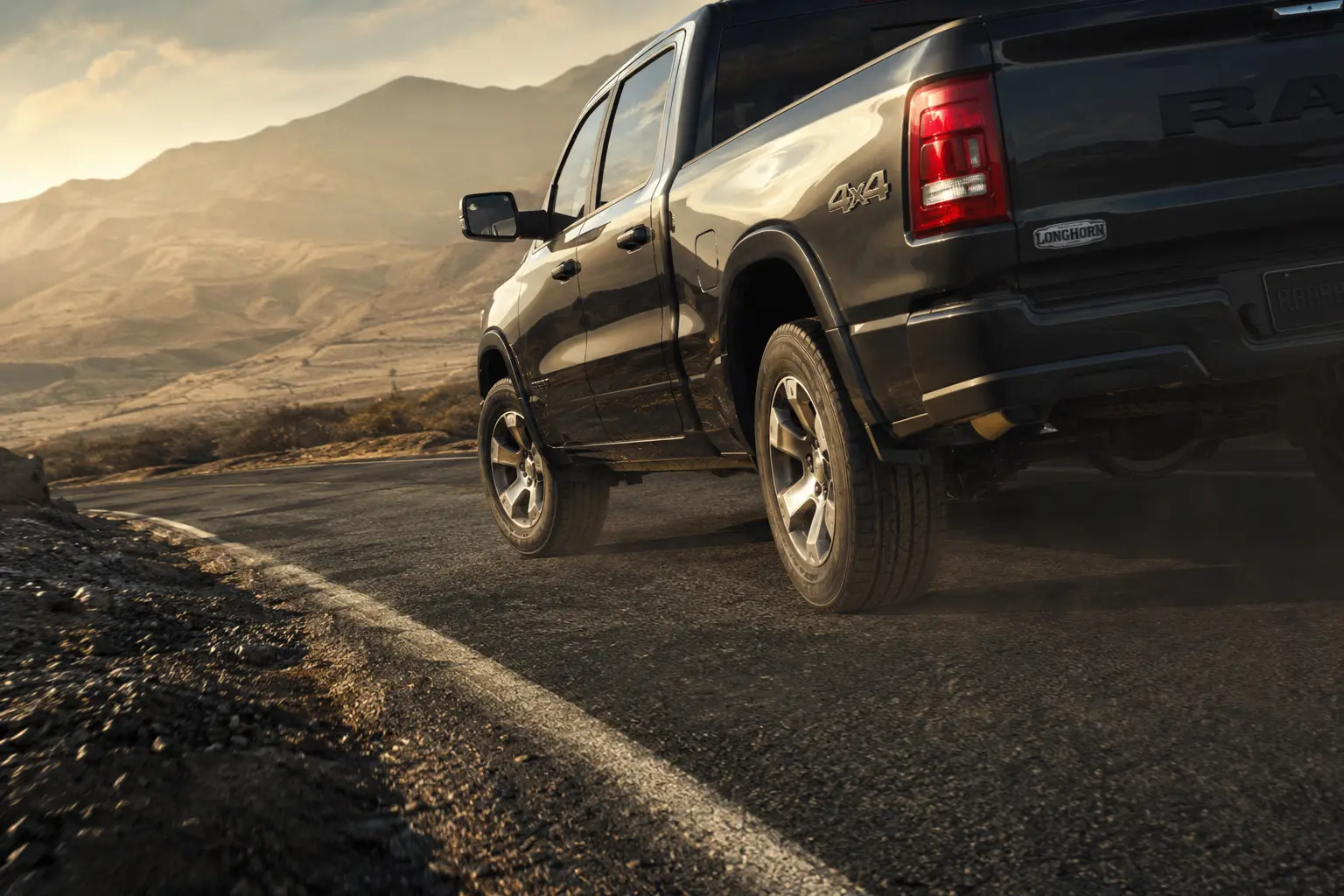
Pickup trucks are built for strength, towing, hauling, and rough terrain — but all that capability comes with a tradeoff: accelerated tire wear.
Compared to sedans and compact SUVs, trucks put significantly more pressure on tires due to their weight, suspension setup, and driving conditions. Understanding the causes can help drivers maximize tire lifespan and avoid premature replacements.
1. Heavier Vehicle Weight
One of the biggest reasons truck tires wear faster is simple physics. Pickup trucks weigh considerably more than passenger cars, especially heavy-duty models.
More weight means:
- Increased friction between tire and road
- Higher rolling resistance
- More heat buildup inside the tire
When you add cargo, trailers, or equipment, the stress increases even further. This constant pressure causes tread to wear down more aggressively over time.
2. Higher Torque Output
Modern pickup trucks generate massive torque, especially diesel and turbocharged models. While that power is great for towing and acceleration, it can quickly eat away at tire tread.
Rapid acceleration, hard launches, and spinning tires on loose surfaces create:
- Uneven tread wear
- Faster rear tire degradation
- Reduced overall tire lifespan
Truck owners who drive aggressively often notice their tires wearing out much sooner than expected.
3. Towing and Hauling Loads
Towing trailers or carrying heavy payloads changes how weight is distributed across the tires.
This extra strain can lead to:
- Shoulder wear
- Overheating
- Sidewall fatigue
- Irregular tread patterns
Using the wrong tire pressure while towing only makes the problem worse. Proper inflation is critical for load stability and tire longevity.
4. Off-Road and All-Terrain Driving
Many pickup owners use all-terrain or mud-terrain tires designed for rugged performance. While excellent off-road, these tires often wear faster on pavement than standard highway tires.
Frequent driving on:
- Gravel
- Dirt
- Mud
- Construction zones
can accelerate tread damage and create uneven wear patterns.
5. Suspension and Alignment Issues
Lift kits, oversized wheels, and modified suspensions are common on trucks — but they can negatively affect tire wear if not installed correctly.
Poor alignment may cause:
- Inner or outer edge wear
- Feathering
- Vibration
- Reduced fuel efficiency
Truck suspensions also endure more stress from potholes, towing, and rough roads, making regular alignment checks essential.
How to Make Truck Tires Last Longer
Truck tires may wear faster, but proper maintenance can dramatically improve their lifespan.
Best Practices:
- Rotate tires every 8,000–10,000 km
- Maintain correct tire pressure
- Avoid excessive speeding and harsh acceleration
- Check wheel alignment regularly
- Use tires designed for your driving habits
- Inspect tread wear monthly
Choosing high-quality truck tires also makes a major difference in durability and performance.
Final Thoughts
Pickup trucks are tougher on tires by nature. Their heavier weight, higher torque, towing demands, and off-road capabilities all contribute to faster tread wear compared to standard cars.
The good news? With the right maintenance routine and the correct tire setup, truck owners can significantly extend tire life while improving safety, fuel economy, and overall driving comfort.