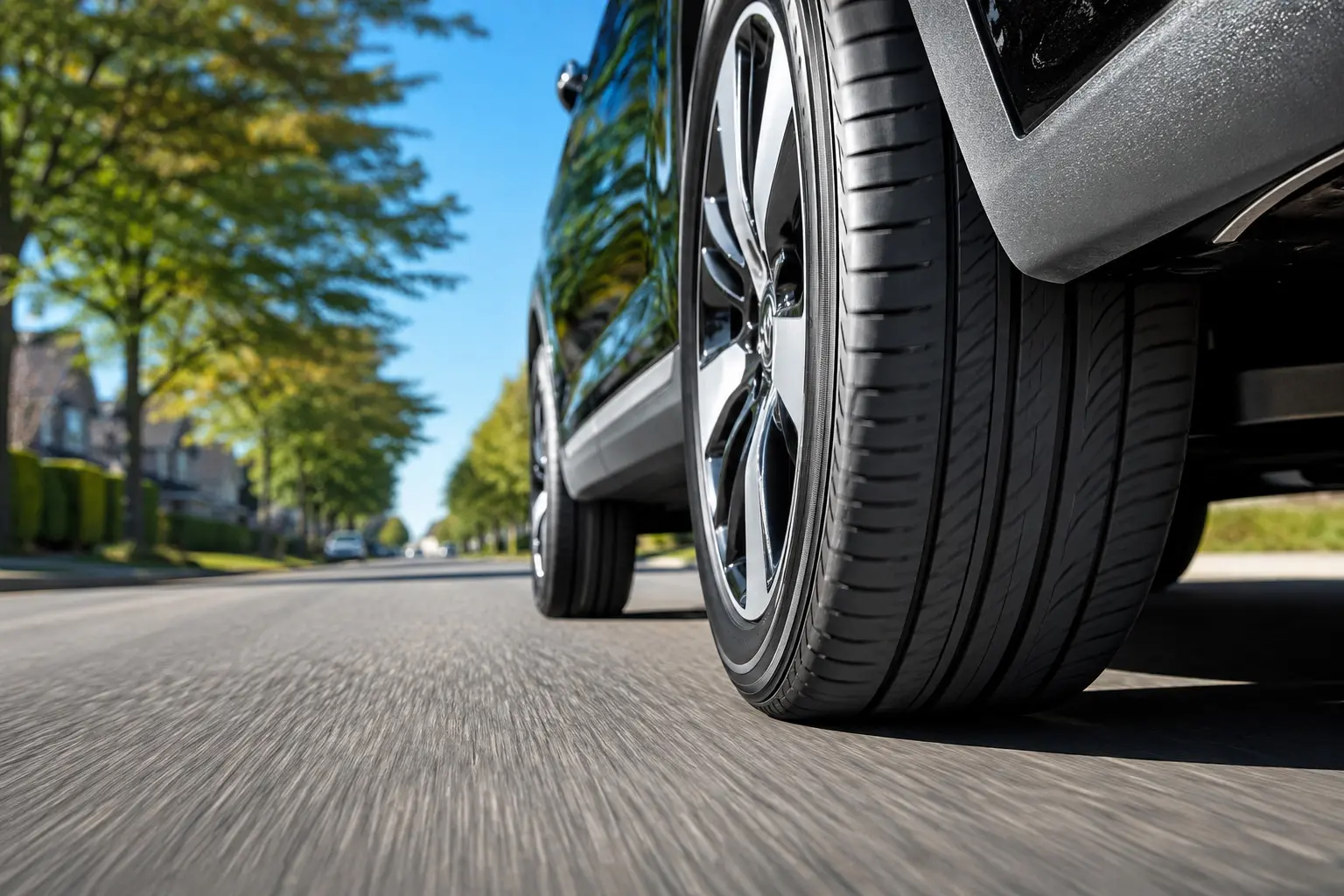
Many drivers expect brand-new tires to deliver maximum grip the moment they leave the tire shop. Surprisingly, new tires can sometimes feel slightly slippery or less responsive during the first 60 to 100 miles (100 to 160 km). While this can be unsettling, it’s a normal part of the tire break-in process.
Understanding why this happens can help you drive more confidently and get the best performance from your new investment.
What Causes New Tires to Feel Slippery?
1. Residual Mold Release Compounds
During manufacturing, tires are cured inside molds under high heat and pressure. To ensure the tire can be removed cleanly from the mold, manufacturers use release agents and specialized mold surfaces.
These compounds can leave a thin, nearly invisible layer on the tread surface. Until normal driving wears away this layer, the tire may not provide its full level of traction, especially on smooth or wet roads.
2. Fresh Tread Edges Need Time to Wear In
New tires feature sharp tread blocks and unworn edges. As you drive, these tread elements gradually settle into their intended shape and contact pattern with the road.
During this initial period, the tire’s contact patch continues to optimize, helping improve grip, handling, and braking performance.
3. Tire Lubricants and Manufacturing Residues
The tire production process involves various oils, lubricants, and protective compounds that can remain on the tire surface after manufacturing. These materials naturally wear off during everyday driving, allowing the rubber to fully engage with the road surface.
How Long Does the Break-In Period Last?
Most tire manufacturers recommend a break-in period of approximately 60 to 100 miles (100 to 160 kilometers).
During this time, the tire:
- Develops its optimal contact patch
- Removes manufacturing residues
- Allows tread blocks to stabilize
- Reaches intended handling and traction characteristics
For high-performance tires, some drivers may notice continued improvements over the first few hundred miles.
How to Drive Safely During the Break-In Period
To ensure your new tires perform at their best, follow these simple guidelines:
Avoid Aggressive Acceleration
Rapid acceleration can cause unnecessary tire slip before the tread surface has fully worn in.
Brake Smoothly
Allow extra following distance and avoid hard braking whenever possible during the first several trips.
Take Corners Conservatively
Sharp turns at higher speeds may feel different than with your previous tires. Gradually build confidence as the tires break in.
Drive in Mixed Conditions
A variety of normal driving environments helps evenly wear away the outer surface and establish a consistent contact patch.
Maintain Proper Tire Pressure
Always verify your tires are inflated according to your vehicle manufacturer’s recommendations. Correct pressure promotes even wear and optimal performance from day one.
Is the Slippery Feeling a Cause for Concern?
In most cases, no.
A mild reduction in grip during the first 60 to 100 miles is expected and temporary. However, if you experience severe traction loss, unusual vibrations, pulling, or handling issues after the break-in period, it’s worth having your installation inspected by a tire professional.
Benefits of Proper Tire Break-In
Giving your new tires time to settle can help maximize:
- Traction and road grip
- Braking performance
- Handling precision
- Tread life
- Overall driving comfort
A little patience during the first few drives can help ensure you get the full value and performance your new tires were designed to deliver.
Final Thoughts
If your new tires feel slightly slippery during the first 60 miles, you’re experiencing a normal part of the tire break-in process. Manufacturing residues, fresh tread surfaces, and tire settling all contribute to this temporary sensation. By driving smoothly and avoiding aggressive maneuvers during the initial miles, you’ll help your tires reach their optimal performance level safely and efficiently.
Bridgestone
Toyo