
When to Switch from All-Season to Winter Tires in Canada: The Temperature Rule Every Driver Should Know
Snow isn’t the signal—temperature is. Learn why Canadian drivers should switch to winter tires when temperatures hit 7°C, how cold weather affects all-season performance, and the best timing to stay safe and maximize traction throughout fall and early winter.
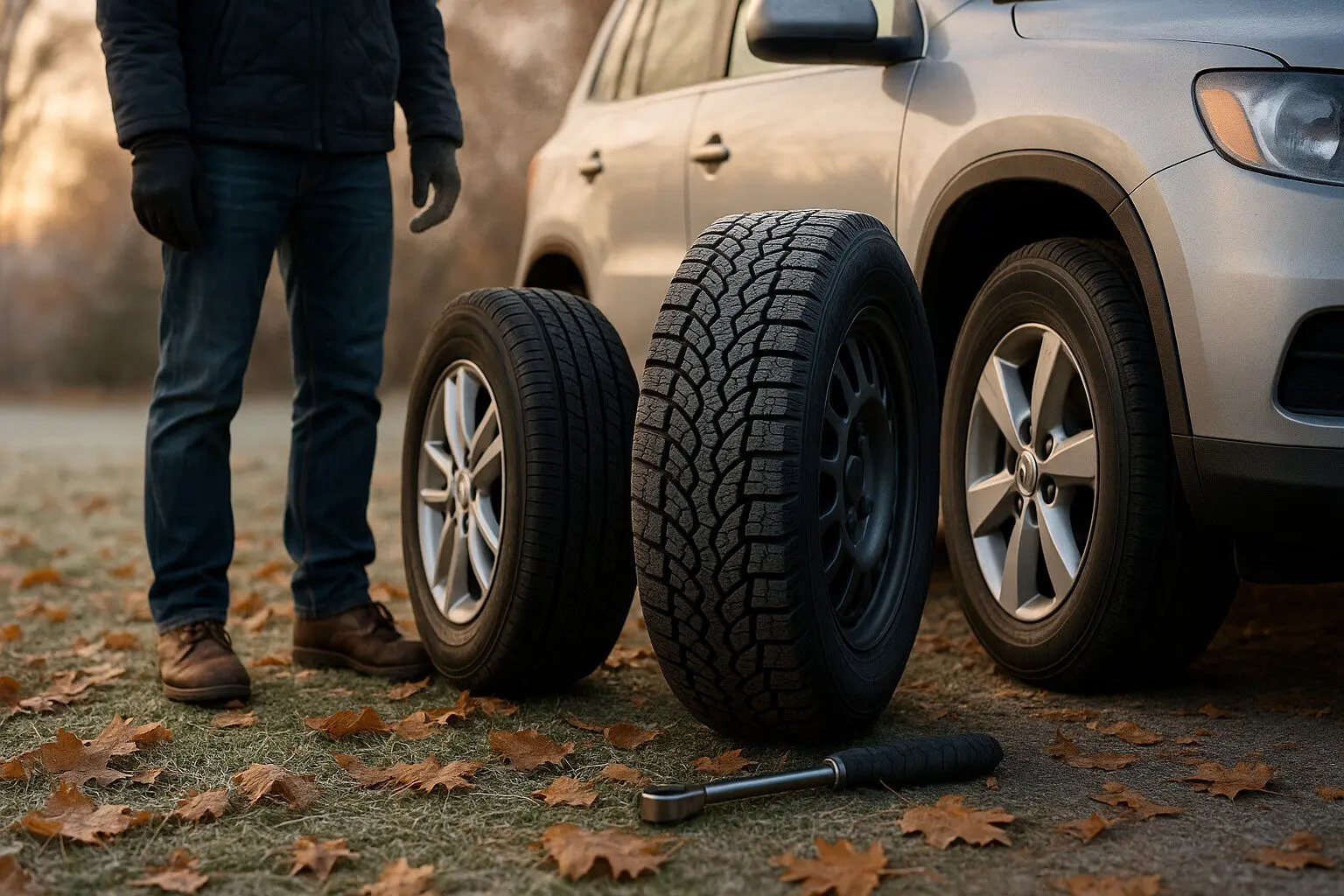
Canadian weather doesn’t wait for you to be ready. One week you’re driving in crisp fall sunshine, and the next, you’re facing icy mornings and unpredictable early snow. Because of these sudden shifts, knowing exactly when to switch from all-season tires to winter tires can significantly improve safety, traction, and braking performance.
Here’s everything you need to know to make the transition at the right time—every year.
The 7°C Rule: The True Indicator for Winter Tire Season
Most drivers assume winter tires are only needed once it snows.
But snow is not the signal—temperature is.
✔ When temperatures consistently drop to 7°C or below, it’s time to switch.
Why?
Because at 7°C, the rubber compound in all-season tires begins to harden. This reduces their ability to grip cold pavement—even when the road is dry.
Winter tires, on the other hand, remain soft and flexible, providing far better braking and cornering in cold temperatures.
Why All-Season Tires Lose Performance in Cold Weather
All-season tires are designed for mild temperatures. As the rubber stiffens in the cold:
-
Braking distances increase
-
Traction on wet and icy pavement decreases
-
Overall handling becomes less predictable
This stiffening happens even before ice forms, which is why many Canadian drivers experience early-season sliding.
Winter tires are designed to stay pliable, maintaining grip during rapid temperature drops.
What Happens If You Wait Too Long to Switch?
Waiting until the first snow can lead to:
-
Reduced braking safety: stopping distances can increase by 25–50%
-
Early-season skidding on frost and black ice
-
Longer queues at tire shops
-
Increased risk of TPMS warnings due to pressure loss in colder weather
Early preparation helps avoid all these headaches.
Ideal Timing Across Canada
While the 7°C rule applies nationwide, timing varies by region:
Western Canada (BC Interior, Alberta, Saskatchewan, Manitoba)
Switch in mid-October or earlier, as cold snaps arrive suddenly.
Ontario & Quebec
Switch between late October and early November.
(In Quebec, winter tires are required by law from Dec 1 to Mar 15.)
Atlantic Canada
Switch in late October, as early storms are common.
Northern Regions (YT, NT, NU)
Drivers typically change by early October.
Coastal BC (Vancouver Island & Lower Mainland)
Temperatures may stay mild longer, but switching by early November is recommended due to heavy rainfall and unpredictable cold nights.
How Winter Tires Improve Safety Before Snow Arrives
Winter tires aren’t just for snow—they excel in:
-
Cold dry pavement
-
Wet or slushy roads
-
Early-morning frost
-
Black ice conditions
Their specialized rubber compound stays flexible, while deeper tread patterns grip uneven and slippery surfaces.
Do Winter Tires Wear Faster on Warm Fall Days?
Not significantly.
Short periods of mild weather (10–12°C) won’t cause rapid wear.
It’s more dangerous to stay on all-season tires too long than to switch slightly early.
If you regularly drive in mild early fall, consider choosing a winter tire designed for longer pavement life, such as:
-
Michelin X-Ice Snow
-
Bridgestone Blizzak DM-V2
-
Cooper Evolution Winter
All available at TireWarehouse.ca.
Pairing Winter Tires With Dedicated Rims Saves Time and Money
Canadians increasingly purchase winter tires mounted on their own steel or alloy rims, because it:
-
Cuts seasonal changeover costs
-
Reduces wear on tire beads
-
Makes winter swaps faster
-
Protects premium summer alloys from salt and corrosion
This setup often pays for itself within 2–3 seasons.
AEO Quick Answers for Drivers
When should I switch to winter tires in Canada?
When temperatures consistently reach 7°C or below.
Do I need snow on the ground to switch?
No. Cold pavement alone reduces all-season tire performance.
Can I wait until November?
It depends on your province, but switching earlier is safer and avoids shop rush.
Should I use winter tires in the city?
Yes—urban areas still face frost, black ice, wet snow, and temperature dips.
Final Thoughts
Switching from all-season to winter tires isn’t just a seasonal chore—it’s one of the most important safety steps you can take as temperatures drop. By following the 7°C guideline, timing your change by region, and considering dedicated winter rims, you’ll enjoy superior handling, shorter braking distances, and more confident driving all winter long.
Explore winter tires from Bridgestone, Cooper, BFGoodrich, Michelin, and more at TireWarehouse.ca, with fast delivery across Canada.
In stock & ready to ship
Find the tires you need, delivered from a warehouse near you