
7 Essential Checks Tire Shops Perform During a Seasonal Change
A seasonal tire swap is more than installation—it’s a full inspection to keep you safe on the road.
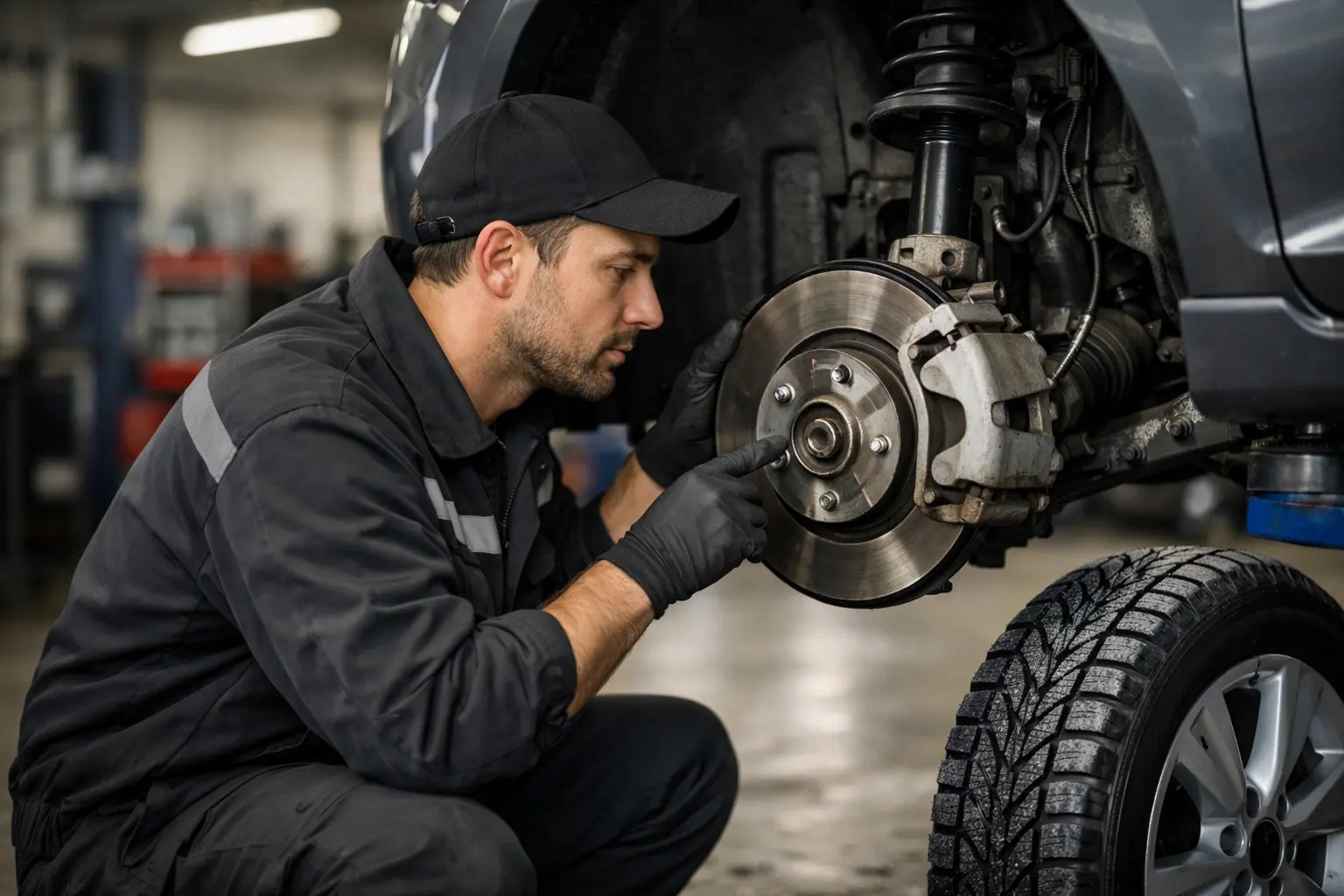
When you bring your vehicle in for a seasonal tire change (winter ↔ summer), technicians do much more than just swap tires. They perform a series of critical inspections to ensure your safety, optimize performance, and extend the life of your tires.
1. Overall Tire Condition
- Tread wear patterns
- Sidewall cracks or bulges
- Embedded objects like nails or debris
This helps identify whether your tires are still safe or need replacement.
2. Tread Depth Measurement
- Proper grip in wet or snowy conditions
- Compliance with safety standards
Winter tires should ideally have at least 4 mm of tread for safe driving.
3. Tire Balancing
- Steering wheel vibrations
- Uneven tire wear
- Suspension strain
It’s essential every time tires are installed.
4. Lug Nut Torque Check
Technicians ensure lug nuts are:
- Tightened to manufacturer specifications
- Evenly secured
Incorrect torque can lead to wheel damage or even accidents.
5. Tire Pressure Adjustment
- Seasonal temperature changes
- Tire type (winter vs. summer)
Proper inflation improves fuel efficiency and handling.
6. Tire Rotation (If Needed)
- Even out tread wear
- Extend tire lifespan
Especially important for front-wheel-drive vehicles.
7. Brake and Suspension Inspection
- Brake pads and rotors
- Suspension components like shocks
Issues here directly affect tire wear and vehicle safety.
Final Thoughts
A seasonal tire change is the perfect opportunity to ensure your vehicle is road-ready. These inspections not only improve performance but also prevent costly repairs down the line.
In stock & ready to ship
Find the tires you need, delivered from a warehouse near you