
Do You Really Need Four Winter Tires or Just Two on the Rear Axle?
Putting winter tires on only two wheels may seem like a smart shortcut, but it can seriously compromise control, braking, and safety on icy Canadian roads. Here’s why four winter tires make all the difference.
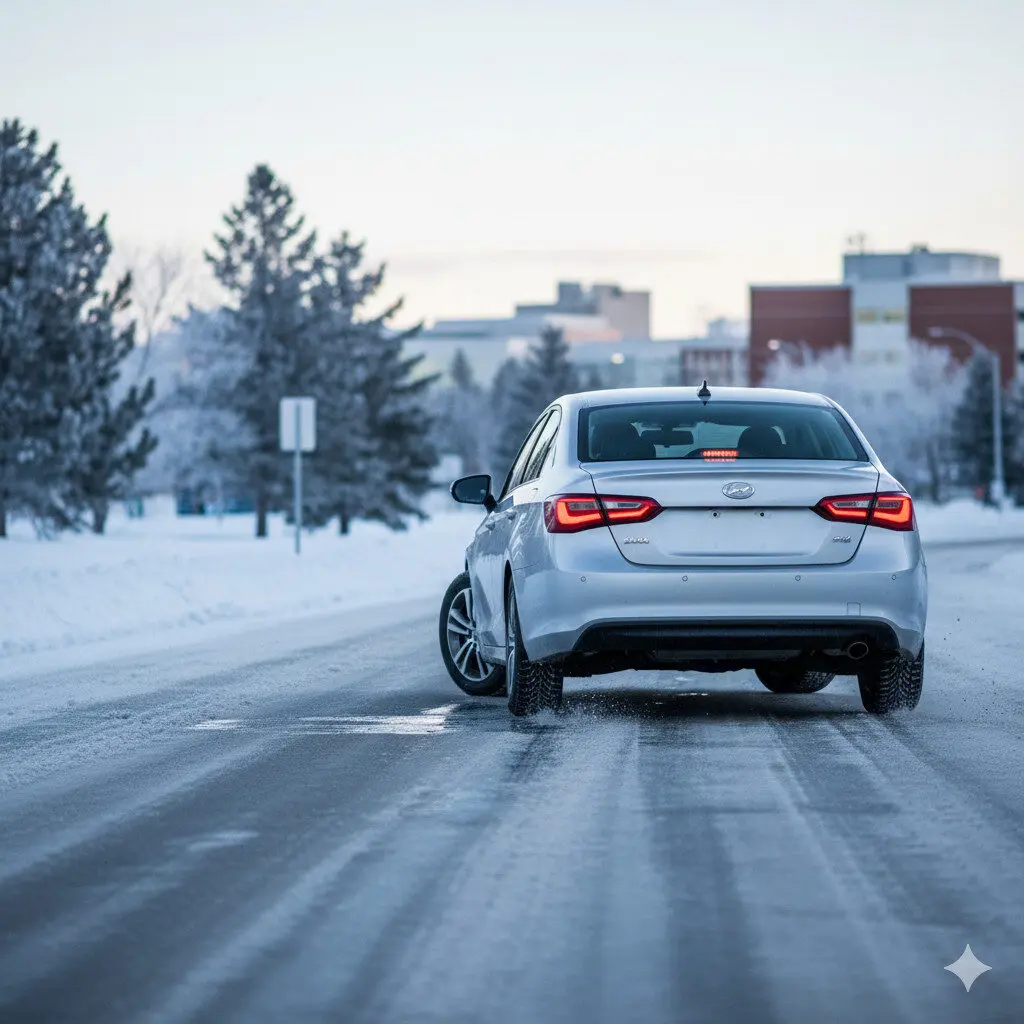
When winter rolls in across Canada — with snow, ice, and freezing rain — many drivers start wondering: “Do I really need four winter tires, or can I get by with just two on the rear axle?” It’s a question that’s especially common among budget-conscious drivers, students, and new vehicle owners. Let’s break it down clearly, practically, and with safety first in mind.
The Short Answer
Yes — you really do need four winter tires.
Two winter tires on the rear axle alone may seem like a cost-saving strategy, but it can significantly compromise vehicle control, especially in slippery conditions.
Why Some People Consider Only Two Winter Tires
Some drivers think putting two winter tires on the rear is enough because:
-
It might seem cheaper than buying four
-
They assume rear-wheel traction will improve
-
They heard “better than nothing”
But what these ideas don’t account for is how critical balanced traction is for steering, braking, and overall stability—especially on ice and snow.
The Problem With Winter Tires Only on the Rear
1. Steering Gets Unpredictable
Winter tires mainly improve traction — but if only the rear wheels have grip, your front wheels may slide during turns or lane changes. This can make steering feel loose and unsafe.
2. You Lose Balanced Braking
Braking isn’t just about power — it’s about even grip across all four tires. With only rear winter tires, the front wheels are more prone to locking and sliding, leading to longer stopping distances.
3. Increased Risk of Understeer & Oversteer
-
Understeer: Front tires slide forward; the car doesn’t turn as expected.
-
Oversteer: Rear tires slide outward; the rear fishtails.
With mismatched tire performance, both of these can occur unexpectedly — a dangerous scenario on winter roads.
Why Four Winter Tires Is the Safer Choice
Balanced Traction
Winter tires on all four corners ensure the vehicle accelerates, steers, and brakes predictably — even in low-traction conditions.
Shorter Stopping Distances
Multiple winter tire tests show safety gains when all four tires are winter-rated. You stop faster and straighter on snow and ice.
Better Handling in Emergencies
If you need to avoid debris, a sudden snow squall, or another driver’s mistake, having all-terrain winter traction boosts confidence and control.
What Happens If You Only Put Winter Tires on the Rear?
Here’s a real-world scenario many drivers experience:
🔹 Rear winter tires give the back wheels grip when accelerating.
🔹 Front all-seasons lose traction while turning or braking.
🔹 The car can veer forward or drift, even if the rear stays planted.
This imbalance increases the risk of skidding, longer stops, and loss of control — especially on downhill grades and highway ramps.
Expert Insights (What Studies Show)
Tire engineers and winter driving experts agree:
-
Four winter tires significantly improve traction symmetry
-
Vehicles perform better in braking, steering, and cornering
-
Two winter tires alone can create a false sense of security
In fact, many safety organizations and Canadian provincial guidelines recommend all-four winter tires on snowy and icy routes.
What About Front-Wheel and Rear-Wheel Drive?
Front-Wheel Drive (FWD)
FWD vehicles often feel more stable with winter tires — but only if all four tires match. The front wheels do most of the braking and steering.
Rear-Wheel Drive (RWD)
RWD vehicles are more prone to loss of traction on ice. Two winter tires in the rear might improve acceleration slightly — but risk unstable handling and braking.
AWD / 4WD Vehicles
All-wheel drive helps traction — but it doesn’t replace winter tires. Four winter tires still provide the best performance.
In stock & ready to ship
Find the tires you need, delivered from a warehouse near you