
Why Worn-Out Tires Can Cost Canadian Drivers More Than They Think
Old tires do more than reduce grip—they increase stopping distance, fuel consumption, and the risk of costly repairs or accidents. In Canada’s changing road conditions, delaying tire replacement can become far more expensive than drivers expect.
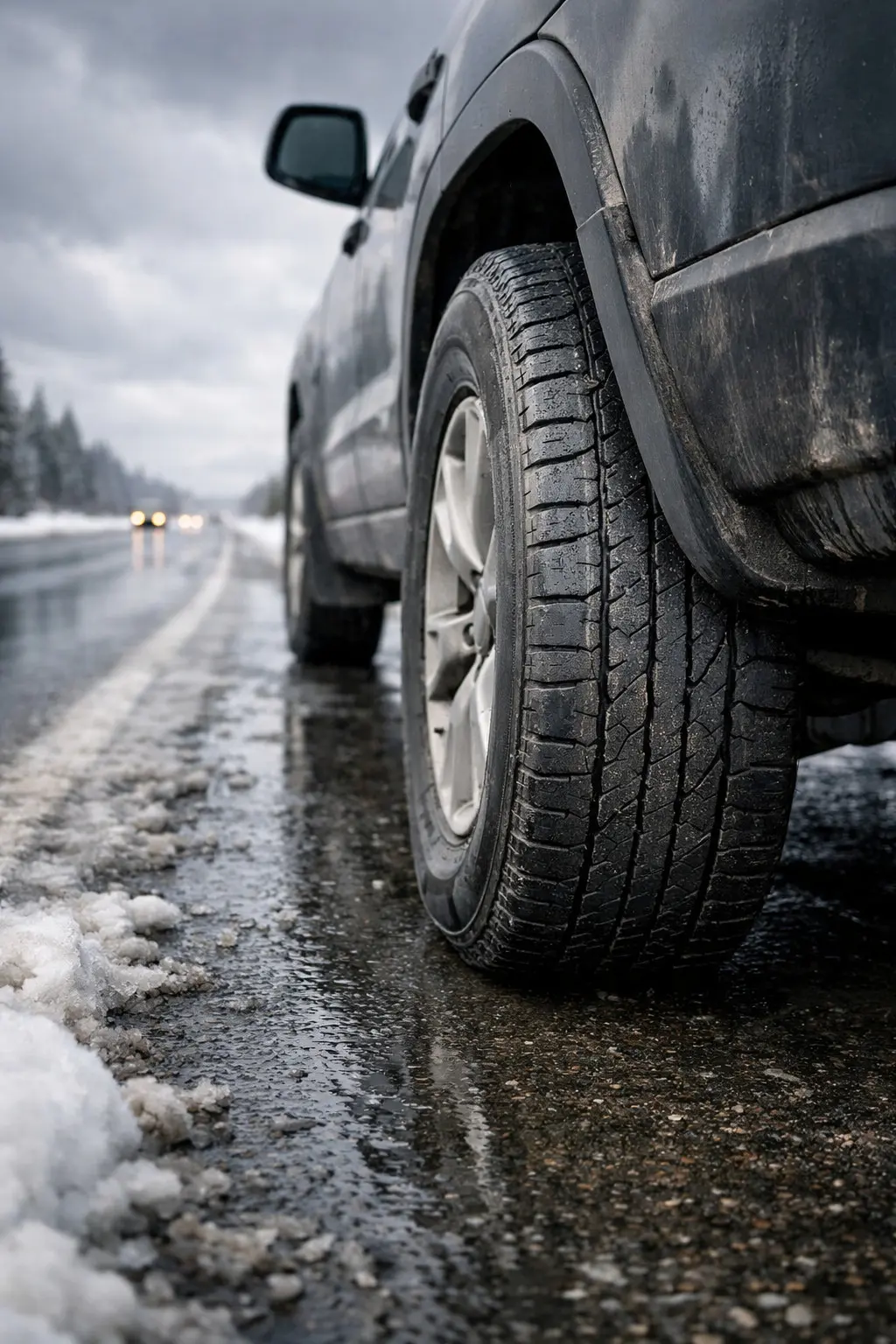
Many Canadian drivers keep an eye on gas prices, maintenance bills, and seasonal tire changes—but often overlook one of the most important safety and performance factors on their vehicle: tire age.
At first glance, old tires may seem “good enough” if they still hold air and have some visible tread left. But the truth is that aging tires can quietly cost you far more than a new set ever would. From reduced traction and longer braking distances to lower fuel efficiency and greater risk of blowouts, old tires create hidden expenses that add up quickly—especially in Canada, where road and weather conditions can change fast.
1. Reduced Traction Means Higher Risk on Canadian Roads
In Canada, drivers regularly face rain, slush, black ice, potholes, and freezing temperatures. Tires that are old or excessively worn lose their flexibility and grip over time, making it harder for them to perform when you need them most.
That loss of traction can lead to:
-
Longer stopping distances
-
Poor cornering stability
-
Increased hydroplaning risk
-
Less control on snow and icy roads
Even if the tire looks acceptable from a distance, hardened rubber and shallow tread can seriously compromise safety.
2. Old Tires Can Increase Fuel Costs
Many drivers don’t realize that aging tires can also affect fuel economy. When tread wears unevenly or rubber degrades, the tire may create more rolling resistance. That means your engine has to work harder to keep the vehicle moving efficiently.
Over time, this can lead to:
-
Higher fuel consumption
-
Uneven load distribution
-
Reduced ride comfort
-
More strain on suspension components
In a country where many drivers cover long distances for work, family, or travel, even a small drop in efficiency can become an unnecessary recurring expense.
3. The Risk of a Blowout Is More Expensive Than Prevention
One of the biggest hidden costs of driving with old tires is the possibility of sudden tire failure. As tires age, the internal structure weakens—even if the outside doesn’t look severely damaged. Cracks, bulges, sidewall deterioration, and dry rot are warning signs that should never be ignored.
A blowout can result in:
-
Emergency roadside service costs
-
Damage to wheels or suspension
-
Missed work or travel delays
-
Higher insurance claims or deductible expenses
-
Serious accidents
Replacing tires before they fail is almost always cheaper than dealing with the consequences of a roadside emergency.
4. Old Winter Tires Lose Their Advantage
This matters even more in Canada’s winter season. Winter tires are specifically designed to stay flexible in low temperatures, but as they age, the rubber hardens and their cold-weather performance drops.
That means an old winter tire may no longer deliver the traction you expect in:
-
Snow-covered streets
-
Icy intersections
-
Cold morning commutes
-
Wet roads near freezing temperatures
Drivers often assume that because a tire is labeled as a winter tire, it is still safe. But age matters just as much as tread—sometimes more.
5. Delaying Tire Replacement Can Lead to Bigger Vehicle Repairs
Driving on worn or aging tires can cause uneven wear patterns that affect more than the tires themselves. Poor tire condition can contribute to:
-
Alignment problems
-
Premature suspension wear
-
Steering instability
-
Irregular braking performance
What starts as “I’ll replace them later” can turn into a much larger repair bill. In that sense, postponing tire replacement is not saving money—it is simply shifting the cost into a more expensive problem later.
6. How to Know When Your Tires Are Too Old
If you are unsure whether your tires are still safe, there are a few signs to watch for:
-
Visible cracks in the sidewall
-
Bulges or deformities
-
Low tread depth
-
Uneven wear
-
Increased road noise or vibration
-
Tires older than expected, even with limited use
Even vehicles that are not driven often can have aging tires. Time, temperature swings, sunlight, and storage conditions all affect tire life.
Safety First, Savings Second—But You Get Both
Replacing old tires is not just a maintenance decision. It is a safety investment that can also protect your wallet. New, properly matched tires help improve handling, braking, fuel efficiency, and peace of mind throughout the year.
For Canadian drivers, that matters in every season.
At tirewarehouse.ca, we believe drivers should never have to choose between value and safety. If your current tires are aging, cracking, or losing performance, replacing them now may cost less than waiting until the damage is already done.
Final Thought
The real cost of driving with old tires in Canada is not just the price of rubber—it is the hidden risk of accidents, breakdowns, poor fuel economy, and preventable repairs.
If your tires are no longer performing the way they should, the smartest move is not to push them further. It is to replace them before they cost you more.
In stock & ready to ship
Find the tires you need, delivered from a warehouse near you