
Beyond Rubber: The Advanced Engineering Hidden Inside Modern Tires
Modern tires are far more sophisticated than they appear. Explore the cutting-edge materials, design innovations, and engineering breakthroughs that deliver safety, performance, and efficiency on every drive.
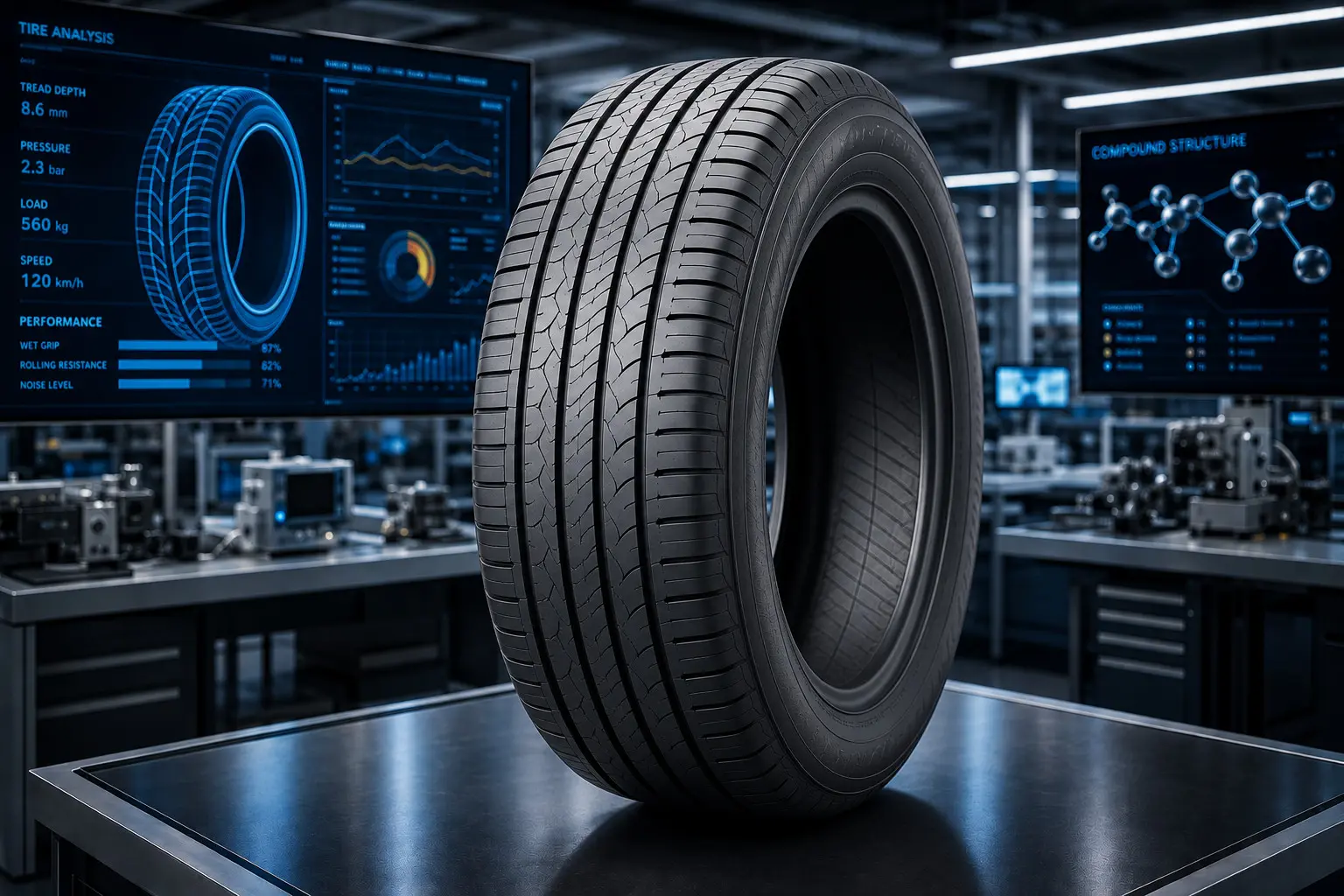
At first glance, a tire may seem like a simple ring of rubber. In reality, modern tires are among the most advanced components on any vehicle. Engineers spend years developing tire technologies that improve safety, fuel efficiency, durability, comfort, and performance under countless driving conditions.
From high-tech compounds to precision-designed internal structures, today’s tires are engineering marvels that work harder than most drivers realize.
More Than Just Rubber
Modern tires are complex systems made up of dozens of components working together. Every layer is carefully engineered to perform specific functions, such as:
- Maintaining traction
- Supporting vehicle weight
- Absorbing road impacts
- Improving fuel economy
- Reducing noise and vibration
- Enhancing handling and stability
A single tire can contain over 200 raw materials, including natural rubber, synthetic polymers, steel, textiles, silica, and specialized chemical compounds.
The Science of Tire Compounds
One of the most important aspects of tire engineering lies in the rubber compound.
Manufacturers create proprietary blends designed to optimize:
Grip and Traction
Advanced compounds increase friction between the tire and road surface, improving braking and cornering performance.
Temperature Resistance
Tires must perform in extreme heat and cold. Specialized compounds maintain flexibility across a wide temperature range.
Fuel Efficiency
Low rolling resistance compounds reduce the energy needed to move the vehicle, helping improve fuel economy and lower emissions.
Tread Life
Modern compounds are engineered to resist wear while maintaining consistent performance over thousands of kilometers.
Steel Belts: The Hidden Backbone
Beneath the tread lies one of the tire’s most critical components: steel belts.
These high-strength steel layers provide:
- Structural stability
- Improved handling
- Even tread wear
- Enhanced puncture resistance
- Better high-speed performance
Without steel belts, modern tires would lack the strength required for today’s vehicles and road conditions.
Reinforced Sidewalls for Greater Strength
The sidewall is much more than the visible outer edge of the tire.
Engineers design sidewalls to:
- Absorb impacts from potholes
- Support heavy loads
- Improve ride comfort
- Enhance cornering stability
Some performance and run-flat tires use reinforced sidewalls that allow drivers to continue traveling even after a loss of air pressure.
The Role of the Inner Liner
Inside every tubeless tire is an inner liner made from specialized rubber compounds.
This invisible layer serves as an air barrier, helping:
- Maintain tire pressure
- Improve reliability
- Reduce air loss over time
Modern inner liners have largely replaced traditional inner tubes in passenger vehicles.
Computer-Designed Tread Patterns
Tread design is one of the most visible examples of tire engineering.
Manufacturers use advanced computer simulations and artificial intelligence to create tread patterns optimized for:
Water Evacuation
Wide grooves channel water away from the contact patch, reducing hydroplaning risk.
Snow and Ice Performance
Winter tires feature specialized tread blocks and sipes that increase traction in harsh conditions.
Noise Reduction
Variable pitch tread designs minimize road noise and create a quieter ride.
Wear Optimization
Even pressure distribution extends tread life and improves overall performance.
Silica Technology: A Game Changer
Modern tires increasingly use silica-enhanced compounds.
Silica helps improve:
- Wet traction
- Fuel efficiency
- Cold-weather performance
- Rolling resistance
This technology allows manufacturers to balance grip and durability more effectively than ever before.
Smart Tire Technologies Are Emerging
The future of tire engineering is becoming increasingly intelligent.
New technologies include:
- Embedded sensors that monitor pressure and temperature
- Self-sealing compounds that reduce puncture damage
- Airless tire concepts
- Connected tire systems for fleet management
- Adaptive materials that respond to road conditions
As vehicles become smarter, tires are evolving alongside them.
How Tire Engineering Improves Everyday Driving
Most drivers never see the engineering hidden inside their tires, yet these innovations directly affect daily driving by delivering:
- Shorter braking distances
- Better fuel economy
- Enhanced ride comfort
- Greater durability
- Increased safety
- Improved handling in all weather conditions
Every trip benefits from decades of research, testing, and innovation packed into each tire.
Final Thoughts
Modern tires are far more than simple rubber circles—they are highly engineered systems built to perform under some of the toughest conditions imaginable. From advanced rubber compounds and steel reinforcements to computer-designed tread patterns and emerging smart technologies, tire engineering continues to push the boundaries of safety and performance.
The next time you look at your tires, remember: beneath the surface lies a world of hidden engineering that keeps you moving safely and efficiently every day.
https://tirewarehouse.ca/product-category/light-truck/
In stock & ready to ship
Find the tires you need, delivered from a warehouse near you