
Sub-Zero Performance: Summit Ultramax Winter Pro vs All-Weather in Heavy Snow
When temperatures plunge below freezing and heavy snow covers Canadian roads, tire choice becomes a critical safety decision. Discover how the Summit Ultramax Winter Pro compares with all-weather tires in deep snow, icy conditions, sub-zero temperatures, braking performance, and everyday winter driving.
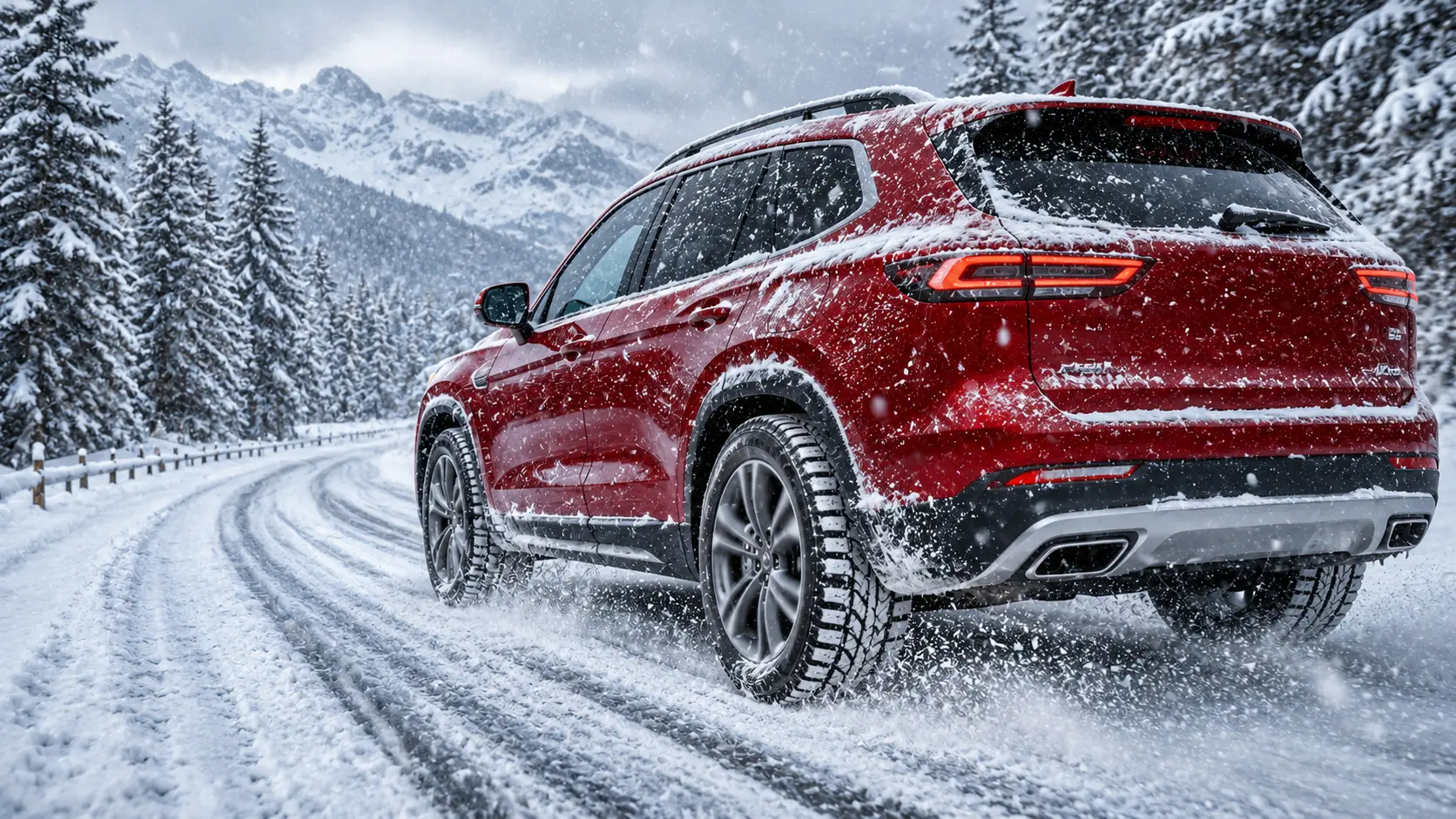
Sub-Zero Performance: Summit Ultramax Winter Pro vs All-Weather Tires in Heavy Snow
Canadian winters can transform familiar roads into challenging driving environments within hours. Heavy snowfall, freezing rain, black ice, and temperatures dropping below -20°C can significantly affect how a vehicle accelerates, brakes, and handles.
For drivers navigating these conditions, choosing between a dedicated winter tire such as the Summit Ultramax Winter Pro and a set of all-weather tires is an important decision.
Both tire categories are designed to provide traction in cold weather, but they serve different driving priorities. Dedicated winter tires focus on winter-specific grip and control, while all-weather tires aim to balance year-round convenience with winter capability.
So, which option makes more sense when Canadian roads disappear beneath several centimetres of snow?
In this guide, we examine the Summit Ultramax Winter Pro vs all-weather tires across the conditions that matter most: sub-zero temperatures, deep snow, packed snow, icy intersections, winter braking, highway stability, and long-term ownership costs.
We also explain the Three-Peak Mountain Snowflake (3PMSF) symbol, Canadian winter tire regulations, and how to choose the right tires for your vehicle and driving habits.
Important comparison note: This article provides a category-based evaluation of dedicated winter tires versus all-weather tires, using the Summit Ultramax Winter Pro as the winter tire option. Without verified, independent head-to-head testing of this specific model against named all-weather competitors, exact braking distances, traction rankings, and performance advantages cannot be established.
Summit Ultramax Winter Pro vs All-Weather Tires: Quick Comparison
Dedicated winter tires are generally the stronger choice for drivers who regularly encounter severe winter conditions, while all-weather tires offer a practical year-round alternative for drivers facing more moderate conditions.
The distinction becomes especially important when temperatures remain below freezing for extended periods or roads are frequently covered with packed snow and ice.
| Performance Factor | Summit Ultramax Winter Pro | All-Weather Tires |
|---|---|---|
| Primary purpose | Dedicated winter driving | Year-round driving, including winter |
| Cold-weather design | Winter-focused tire category | Compromise between winter and warmer-weather performance |
| Deep snow traction | Dedicated winter tires generally have an advantage | Varies significantly by tread design and model |
| Packed snow braking | Winter-focused design may provide stronger performance | Can perform well, depending on the specific tire |
| Ice traction | Depends on compound, tread, and ice-specific design | Highly model-dependent |
| Extreme cold | Designed for winter operating conditions | Winter capability varies among models |
| Warm-weather use | Not recommended as a year-round solution | Designed for year-round operation |
| Seasonal tire changes | Required when switching to a summer or all-season set | Usually unnecessary |
| Best application | Drivers facing sustained winter conditions | Drivers prioritizing convenience in mixed climates |
Bottom line: If heavy snow, prolonged freezing temperatures, and icy roads are regular parts of your winter commute, dedicated winter tires deserve serious consideration. If your roads are frequently cleared and severe winter conditions are less common, quality 3PMSF-rated all-weather tires may be sufficient for your needs.
What Is the Summit Ultramax Winter Pro?
The Summit Ultramax Winter Pro is a dedicated winter tire option intended for drivers seeking seasonal cold-weather performance rather than year-round convenience.
Dedicated winter tires are engineered around the demands of snow, ice, slush, and low temperatures.
Unlike conventional all-season tires, which must accommodate a broad range of temperatures, winter tires prioritize performance when the pavement becomes cold and slippery.
Understanding Winter Tire Construction
Winter tire performance depends on several interacting design elements.
- Cold-weather rubber compounds: Winter-focused compounds are formulated to maintain useful flexibility in low temperatures.
- Tread blocks: Their shape and arrangement influence traction, steering response, and snow evacuation.
- Sipes: Small cuts in the tread create additional biting edges that can improve grip on snow and certain icy surfaces.
- Tread grooves: Channels help manage snow, water, and slush.
- Contact patch: The area of tire touching the road influences braking, acceleration, and cornering forces.
The effectiveness of these features depends on the complete tire design, not simply the number of grooves or sipes visible in the tread.
Drivers considering the Summit Ultramax Winter Pro should verify the specifications for their exact tire size, including its sidewall markings, load index, speed rating, and any manufacturer-provided winter performance information.
Who Should Consider the Summit Ultramax Winter Pro?
A dedicated winter tire may be particularly suitable for drivers who:
- Experience frequent snowstorms and prolonged freezing temperatures.
- Travel on rural highways or secondary roads that receive less frequent snow clearing.
- Commute early in the morning before road maintenance crews have completed their work.
- Drive regularly through snow-covered residential streets.
- Live in regions where winter conditions persist for several months.
- Prefer a dedicated seasonal tire setup rather than a single year-round set.
However, the right decision also depends on the vehicle, tire size, driving habits, and the performance of the specific all-weather alternative.
What Are All-Weather Tires, and How Do They Compare?
All-weather tires are designed to remain on a vehicle throughout the year while providing better winter capability than many conventional all-season tires.
They occupy an important middle ground between traditional all-season tires and dedicated winter tires.
For Canadian drivers, this distinction matters because the terms all-season and all-weather are not interchangeable.
All-Weather vs All-Season vs Winter Tires
| Tire Type | Primary Strength | Winter Suitability | Typical Use |
|---|---|---|---|
| All-season | General driving in moderate conditions | Limited capability in severe winter weather | Spring, summer, and fall |
| All-weather | Year-round versatility with winter capability | Suitable for many winter conditions when properly winter-rated | Year-round driving |
| Dedicated winter | Cold-weather traction and winter control | Designed specifically for winter conditions | Winter season |
Many all-weather tires carry the Three-Peak Mountain Snowflake (3PMSF) symbol, indicating that they meet a recognized snow traction performance requirement.
However, that certification does not mean every all-weather tire performs identically to a dedicated winter tire.
It also does not guarantee superior braking performance on ice or deep, unplowed snow.
Why All-Weather Tires Appeal to Canadian Drivers
All-weather tires are attractive because they reduce the inconvenience associated with seasonal tire changes.
Potential advantages include:
- One tire set for all four seasons.
- No need for seasonal tire storage.
- Fewer seasonal installation appointments.
- Winter capability without switching between tire sets.
- Convenience in regions where winter conditions are relatively moderate.
These benefits are particularly relevant for drivers who live in urban areas with frequent snow removal and generally well-maintained roads.
The trade-off is that an all-weather tire must balance performance across a much wider temperature range than a dedicated winter tire.
Heavy Snow Performance: Which Tire Type Has the Advantage?
Dedicated winter tires generally provide the stronger starting point for heavy snow driving because their tread patterns and compounds are developed specifically for winter traction.
However, the actual advantage depends on the tire models being compared, their tread depth, vehicle characteristics, and snow conditions.
1. Acceleration in Deep Snow
When accelerating from a stop on a snow-covered road, the tires must generate enough traction to move the vehicle without excessive wheelspin.
In deeper snow, tread geometry becomes especially important.
Winter-oriented tread blocks and grooves can help the tire interact with snow while clearing material from the contact area.
Snow-to-snow interaction also contributes to traction because compacted snow can grip other snow under certain conditions.
A dedicated winter tire such as the Summit Ultramax Winter Pro is intended for this type of operating environment.
All-weather tires can also provide effective snow traction, particularly when they have aggressive winter-oriented tread designs.
Nevertheless, some all-weather models prioritize quiet operation, tread life, and dry-road handling, potentially limiting their performance in deeper snow.
2. Braking on Snow-Covered Roads
Stopping performance is one of the most important considerations when comparing winter and all-weather tires.
When a driver applies the brakes, the tires must generate sufficient friction to slow the vehicle.
On snow-covered roads, available traction is lower than on clean, dry pavement.
Winter tire compounds, tread blocks, and sipes can help improve braking performance under appropriate conditions.
However, stopping distance is affected by:
- Vehicle speed.
- Snow depth and consistency.
- Road temperature.
- Tire model and tread condition.
- Vehicle weight and load distribution.
- Anti-lock braking system (ABS) operation.
- Road gradient.
Without controlled comparative testing, it would be misleading to assign a specific braking-distance advantage to the Summit Ultramax Winter Pro over all-weather tires.
What drivers should understand is that even modest differences in available traction can become important during an emergency stop.
3. Cornering and Steering in Heavy Snow
Winter handling involves more than accelerating and braking.
A tire must also maintain lateral grip while the vehicle changes direction.
On snowy corners, the available traction must support both steering and any simultaneous acceleration or braking.
If the combined demand exceeds the available grip, the vehicle may understeer or oversteer.
Dedicated winter tires are designed to manage these conditions, although they cannot eliminate the risk of losing control.
Drivers should reduce speed before entering snowy corners, steer smoothly, and avoid abrupt inputs.
TireWarehouse Expert Tip: Four-wheel drive and all-wheel drive can help a vehicle accelerate in slippery conditions, but they do not automatically shorten braking distances. All four tires still need sufficient traction to stop and turn safely.
Sub-Zero Temperatures: Why Rubber Compounds Matter
Cold-weather tire performance depends heavily on how the rubber compound behaves as temperatures fall.
As temperatures decrease, tire rubber generally becomes stiffer, although the amount of change varies considerably between compounds.
Winter tire compounds are designed to retain useful flexibility in cold operating conditions.
This helps the tread interact with irregularities in the road surface and maintain traction.
What Happens Around 7°C?
Canadian tire specialists commonly use approximately 7°C as a practical guideline for considering a switch to winter tires.
It is not a precise temperature at which every all-season tire suddenly loses traction.
Instead, it is a useful seasonal reminder that sustained cold weather changes the performance requirements placed on tires.
When daily temperatures consistently approach or fall below this range, dedicated winter tires become increasingly relevant.
Performance at -10°C, -20°C, and Below
Canadian winters can expose tires to extended periods of extreme cold.
For example:
- At -10°C: Cold-weather traction becomes a major consideration, particularly on packed snow and icy surfaces.
- At -20°C: Tire compound behaviour, inflation pressure, and road surface conditions become increasingly important.
- Below -25°C: Severe cold can coincide with hard-packed snow, polished intersections, and reduced available grip.
These temperatures do not establish a universal ranking between tire models.
Some premium all-weather tires perform impressively in winter testing, while individual winter tire models can differ substantially in ice and snow performance.
For drivers who routinely experience extreme cold, a dedicated winter tire remains a sensible category to prioritize.
Cold Weather Also Affects Tire Pressure
Tire pressure decreases as the air inside the tire cools.
As a practical approximation, pressure may change by about 7 kPa, or 1 psi, for every 5–6°C temperature change, although the exact relationship depends on conditions.
Underinflated tires can negatively affect handling, tread wear, and fuel efficiency.
Drivers should check tire pressure when the tires are cold and follow the vehicle manufacturer’s recommended inflation pressure, typically found on the driver’s door-jamb placard.
Do not use the maximum pressure printed on the tire sidewall as the routine inflation target.
Ice and Black Ice: Winter Tires vs All-Weather Tires
Ice traction is highly dependent on the specific tire design, and neither winter nor all-weather tires can guarantee grip on black ice.
Black ice is particularly dangerous because it can be difficult to distinguish from wet pavement.
It commonly develops on bridges, overpasses, shaded roads, and surfaces exposed to freezing moisture.
Why Ice Is Different From Snow
Snow traction often benefits from tread geometry and the interaction between snow packed into the tread and snow on the road.
Ice presents a different challenge.
Its relatively smooth surface provides fewer opportunities for mechanical grip, and a thin water film can further reduce traction under certain conditions.
Rubber compound characteristics, tread contact, siping, and specialized ice-oriented technologies all influence performance.
Some dedicated winter tires are engineered with a particularly strong emphasis on ice traction.
Other winter tires place greater emphasis on snow evacuation, steering stability, or highway driving.
All-weather tires also vary widely in their ice performance.
Therefore, drivers should not assume that a 3PMSF symbol alone guarantees strong ice braking.
How to Drive More Safely on Icy Roads
- Reduce speed before reaching potentially icy areas.
- Increase following distance substantially.
- Avoid sudden braking and steering movements.
- Accelerate gradually.
- Be especially cautious near intersections and bridges.
- Keep electronic stability control enabled.
- Postpone unnecessary travel during freezing rain or severe ice warnings.
Even the most capable winter tire cannot overcome the physical limitations of an extremely slippery road surface.
Slush, Wet Snow, and Highway Driving
Winter tire selection should account for slush and wet pavement as well as snow and ice, particularly for drivers who regularly use Canadian highways.
Winter driving conditions frequently change throughout a single trip.
A driver may leave a snow-covered residential street, enter a cleared highway, encounter slush near an interchange, and then reach an icy rural road.
Slush Evacuation
Slush consists of snow mixed with water, creating a challenging surface that can interfere with tire contact.
Tread grooves help channel slush and water away from the contact patch.
When a tire cannot adequately displace the material beneath it, traction and steering control may decrease.
Both winter and all-weather tires can offer effective slush performance, depending on tread design and remaining tread depth.
Highway Stability
Drivers travelling on highways such as Ontario’s Highway 401, Quebec’s Autoroute 20, or major Prairie routes need tires that provide predictable steering and braking in changing conditions.
Dedicated winter tires often use tread compounds and constructions optimized for cold-weather performance.
All-weather tires generally balance winter traction with the demands of dry pavement, warmer temperatures, and year-round tread wear.
Some all-weather tires may feel firmer or more responsive on dry roads, but this depends on the specific models.
Likewise, road noise and ride comfort cannot be reliably predicted from tire category alone.
Does AWD Change the Recommendation?
All-wheel drive can improve acceleration traction by distributing engine torque among multiple wheels.
However, it does not create additional tire-to-road friction during braking.
An AWD SUV equipped with unsuitable or worn tires may still struggle to stop or turn on icy roads.
For this reason, tire quality and condition remain important regardless of whether the vehicle has front-wheel drive, rear-wheel drive, or all-wheel drive.
Summit Ultramax Winter Pro vs All-Weather Tires Across Canadian Winter Conditions
The best tire choice depends on how often drivers encounter severe winter weather, not simply which province they live in.
Winter conditions vary substantially across Canada, even within the same province.
| Driving Environment | Typical Winter Challenge | Practical Tire Recommendation |
|---|---|---|
| Southern Ontario urban driving | Snow, slush, freezing rain, and cleared roads | Dedicated winter tires for frequent storms; 3PMSF all-weather tires may suit some drivers |
| Northern Ontario | Extended cold, packed snow, and rural highways | Dedicated winter tires strongly worth considering |
| Quebec | Cold temperatures, snow, ice, and regulated winter tire use | Compliant winter-rated tires; dedicated winter tires for more severe conditions |
| Prairie provinces | Extreme cold, blowing snow, and exposed highways | Dedicated winter tires often preferable |
| British Columbia coastal communities | Rain, occasional snow, and variable temperatures | Quality 3PMSF all-weather tires may be practical |
| British Columbia mountain routes | Mountain snow, steep grades, and changing conditions | Dedicated winter tires often advisable; verify route requirements |
| Atlantic Canada | Wet snow, slush, freezing rain, and storms | Choose based on local severity; dedicated winter tires for frequent difficult conditions |
These recommendations are general guidance rather than guarantees of suitability.
Road maintenance, elevation, travel frequency, and individual tire performance should all influence the final decision.
Canadian Winter Tire Laws: What Drivers Need to Know
Winter tire requirements vary across Canada, so drivers should understand the regulations that apply to their province and planned routes.
Quebec Winter Tire Requirements
In Quebec, most passenger vehicles registered in the province must be equipped with compliant winter tires from December 1 through March 15.
Eligible tires generally need the recognized mountain-and-snowflake winter tire symbol, subject to applicable regulatory exceptions.
Qualifying all-weather tires carrying the required symbol may satisfy the provincial marking requirement.
However, legal compliance does not necessarily mean that every qualifying tire offers the same performance in severe winter conditions.
Drivers should confirm current requirements through the Société de l’assurance automobile du Québec (SAAQ).
British Columbia Winter Tire Requirements
British Columbia requires appropriate winter tires or chains on many designated routes during specified winter periods.
For passenger vehicles, qualifying tires may carry either the M+S marking or the mountain-and-snowflake symbol, provided they meet applicable tread-depth requirements.
Many designated routes require winter equipment from October 1 to March 31, while some routes extend the requirement to April 30.
Requirements vary by road and vehicle type.
Check the latest information from DriveBC and the Government of British Columbia before travelling.
Other Canadian Provinces
Many other provinces do not impose the same broad mandatory winter tire dates for private passenger vehicles.
Nevertheless, drivers remain responsible for operating vehicles safely under prevailing road conditions.
For general tire safety information, consult Transport Canada.
Understanding the Three-Peak Mountain Snowflake Symbol
The Three-Peak Mountain Snowflake symbol identifies tires that meet a standardized snow traction performance requirement.
The symbol shows a snowflake inside a mountain with three peaks.
It is an important marking when evaluating tires for Canadian winter conditions.
3PMSF vs M+S
The markings communicate different information.
- 3PMSF: Indicates that the tire meets a defined severe-snow traction performance criterion.
- M+S: Refers to mud and snow tread characteristics but does not, by itself, establish that the tire passed the same standardized snow traction test.
A tire carrying the 3PMSF symbol has demonstrated qualifying performance under a specific test procedure.
However, the test does not comprehensively measure every aspect of winter performance.
It does not independently certify deep snow capability, ice braking, wet braking, or steering stability in all conditions.
Before purchasing the Summit Ultramax Winter Pro, confirm the sidewall markings and applicable specifications for the exact tire size being considered.
Tread Depth: A Critical Factor in Heavy Snow Performance
Adequate tread depth is essential for maintaining traction in snow and slush, regardless of whether a vehicle uses winter or all-weather tires.
As tires wear, their ability to manage snow, water, and slush can deteriorate.
This can affect braking, acceleration, and steering.
Why 4 mm Matters
For winter driving, approximately 4 mm of remaining tread depth is a commonly used practical threshold for reassessing tire suitability.
It should not be confused with the legal minimum tread depth in every jurisdiction.
Some regions and applications have different legal requirements.
For example, British Columbia specifies a minimum tread depth of 3.5 mm for qualifying winter tires on designated routes.
Drivers regularly encountering deep snow may benefit from replacing tires before they reach the minimum permitted depth.
How to Check Winter Tire Tread Depth
- Park the vehicle on a level surface and ensure it is secure.
- Use a tire tread-depth gauge.
- Measure several locations across each tire.
- Check the inner, centre, and outer tread areas.
- Look for uneven wear, cracking, or visible damage.
- Compare the results with applicable legal requirements and winter driving needs.
Uneven wear may indicate inflation, alignment, suspension, or maintenance issues.
If one tire is significantly more worn than the others, have the tire and vehicle inspected before severe winter driving.
TireWarehouse Expert Tip: A high-quality winter tire with insufficient tread depth may perform worse in deep snow than a properly maintained alternative with substantially more usable tread. Tire condition matters as much as tire category.
Fuel Efficiency, Road Noise, and Ride Comfort
Winter and all-weather tires can differ in rolling resistance, noise, and ride quality, but those differences depend on the specific tire models.
Dedicated winter tires prioritize cold-weather performance, while all-weather tires must also accommodate extended use on warmer roads.
Fuel Consumption
Rolling resistance influences the amount of energy required to keep a vehicle moving.
Tire construction, tread compound, inflation pressure, and tread pattern all affect rolling resistance.
Some winter tires may increase fuel consumption compared with certain all-weather models, but this is not a universal rule.
Cold weather itself can also increase fuel consumption through longer engine warm-up periods, increased drivetrain resistance, and greater use of heating systems.
Road Noise
Winter-oriented tread patterns can produce different sound characteristics from all-weather designs.
However, a tire with an aggressive appearance is not necessarily louder than every less aggressive alternative.
Vehicle insulation, pavement texture, tire pressure, and speed also affect perceived road noise.
Ride Comfort
Ride comfort depends on sidewall construction, tire dimensions, inflation pressure, and vehicle suspension.
Drivers should select a tire with the correct load capacity and size rather than choosing solely based on perceived softness or comfort.
Cost Comparison: One All-Weather Set vs Two Seasonal Tire Sets
All-weather tires can reduce seasonal maintenance costs, while a dedicated winter tire setup spreads annual driving across two sets of tires.
The most economical option depends on how long the tires last, how much the vehicle is driven, and whether separate wheels are purchased.
Costs Associated With Dedicated Winter Tires
- Purchasing a dedicated set of winter tires.
- Seasonal installation and removal.
- Potentially purchasing a second set of wheels.
- Seasonal tire storage, if space is unavailable at home.
- Possible TPMS-related costs for additional wheel assemblies.
Costs Associated With All-Weather Tires
- Purchasing one year-round set.
- Routine tire rotations and inspections.
- Wheel alignment when required.
- Replacement as tread wears.
- No routine seasonal changeover expense.
Illustrative Five-Year Ownership Example
The following example demonstrates how ownership costs can be evaluated. The figures are hypothetical Canadian-dollar amounts, not current product quotations.
| Expense | Dedicated Winter Setup | All-Weather Setup |
|---|---|---|
| Initial tire purchases | $1,400 for winter and non-winter sets | $900 for one set |
| Additional wheels | $400 | $0 |
| Seasonal service over five years | $500 | $0 |
| Additional storage | $0 if stored at home | $0 |
| Illustrative initial and scheduled costs | $2,300 | $900 |
Important: This is not a complete five-year cost-of-ownership forecast. It excludes future tire replacements, routine rotations, taxes, inflation, and differences in tread life.
Because all-weather tires accumulate kilometres throughout the year, they may require replacement sooner in calendar time than either set in a two-set arrangement.
Conversely, dedicated winter tires require additional equipment and seasonal maintenance.
The best financial comparison uses actual installed prices, annual kilometres driven, expected tread life, and local service costs.
When Should Canadian Drivers Choose Dedicated Winter Tires?
Dedicated winter tires are generally the better category to prioritize when severe winter conditions are frequent, prolonged, or unavoidable.
Consider the Summit Ultramax Winter Pro or another suitable dedicated winter tire if you regularly experience the following:
- Heavy snowfall that accumulates faster than roads can be cleared.
- Long periods of temperatures below -10°C.
- Frequent icy intersections or snow-packed roads.
- Rural driving where snow removal is less consistent.
- Mountain routes with steep grades and rapidly changing weather.
- Long winter commutes where avoiding poor conditions is difficult.
A dedicated winter tire setup can also make sense for drivers who already own a separate summer or all-season set.
However, model-specific test results and correct fitment should guide the final purchase.
When Are All-Weather Tires a Practical Alternative?
Quality all-weather tires can be a practical option for drivers who encounter occasional winter weather but spend much of the year on cleared or moderately cold roads.
They may be particularly appealing when:
- Winter snowfall is occasional rather than persistent.
- Roads are cleared quickly after storms.
- Most driving takes place in urban areas.
- The driver can postpone travel during severe winter weather.
- Seasonal tire storage is inconvenient.
- Reducing changeover appointments is a priority.
For winter use, prioritize an all-weather tire with the appropriate 3PMSF marking and credible independent performance information.
Do not assume that every product marketed as all-weather offers identical winter capability.
How to Choose the Right Tire Size and Specifications
The correct tire must match the vehicle’s approved fitment requirements, regardless of its winter performance characteristics.
Before ordering the Summit Ultramax Winter Pro or an all-weather alternative, verify the following information.
1. Tire Size
A tire size such as 225/65R17 describes the nominal section width, aspect ratio, radial construction, and wheel diameter.
Always confirm the appropriate size using the vehicle manufacturer’s information.
2. Load Index
The load index identifies the tire’s rated carrying capacity.
Replacement tires must satisfy the vehicle manufacturer’s load requirements.
3. Speed Rating
The speed rating indicates the tire’s tested speed capability under specified conditions.
Some winter tire applications may permit a different rating, subject to vehicle manufacturer guidance and applicable regulations.
Drivers should not make this substitution without confirming compatibility.
4. Winter Certification
Check whether the exact tire carries the markings needed for your province and intended travel routes.
5. Vehicle Compatibility
Consider wheel clearance, brake components, vehicle load, and any manufacturer restrictions.
For AWD vehicles, maintaining appropriate tire size, circumference, and tread-depth consistency is particularly important.
Winter Tire Installation and Maintenance Checklist
Proper installation and routine maintenance help preserve winter tire performance throughout the season.
Before Winter
- Confirm the correct tire size and load rating.
- Inspect all four tires for damage and uneven wear.
- Measure remaining tread depth.
- Check the tire age and DOT date code.
- Install four appropriately matched winter tires.
- Set cold inflation pressure according to the vehicle placard.
- Confirm that TPMS warnings are resolved.
- Inspect wheel alignment if abnormal wear or handling issues are present.
During Winter
- Check tire pressure regularly, especially after major temperature changes.
- Inspect tread for embedded debris or damage.
- Rotate tires according to vehicle and tire manufacturer recommendations.
- Watch for vibrations or unusual steering behaviour.
- Remove excessive packed snow from wheel wells when safely parked.
- Maintain sufficient following distance on slippery roads.
After Winter
- Change to suitable non-winter tires when seasonal conditions consistently warrant it.
- Clean winter tires before storage.
- Inspect for damage and record tread depth.
- Store tires in a cool, dry location away from direct sunlight and harmful chemicals.
- Follow appropriate storage practices for mounted or unmounted tires.
Common Mistakes When Choosing Tires for Heavy Snow
Winter tire selection mistakes often involve confusing tire labels, overlooking tread condition, or assuming vehicle technology can compensate for inadequate traction.
Mistake 1: Assuming All-Season Means Severe-Winter Ready
Conventional all-season tires are not necessarily suitable for prolonged snow and ice conditions.
Check the tire’s actual winter certification and performance characteristics.
Mistake 2: Treating Every 3PMSF Tire as Equivalent
The mountain-and-snowflake symbol establishes a minimum qualifying snow traction standard.
It does not rank every certified tire or guarantee equal performance on ice.
Mistake 3: Installing Winter Tires Only on the Drive Axle
Using winter tires on only two wheels can create an imbalance in available traction between the front and rear axles.
This may negatively affect vehicle stability during braking and cornering.
For passenger vehicles, install four compatible winter tires unless the vehicle manufacturer specifies otherwise.
Mistake 4: Ignoring Tire Pressure
Cold temperatures can reduce inflation pressure.
Incorrect pressure can affect steering, tire wear, and overall vehicle behaviour.
Mistake 5: Driving Too Fast Because Winter Tires Are Installed
Winter tires improve the available traction envelope under suitable conditions, but they do not make snow-covered roads equivalent to dry pavement.
Driving speed must still reflect visibility, traffic, temperature, and road conditions.
Mistake 6: Choosing Solely on Price
A lower purchase price may be appealing, but it should not replace an assessment of fitment, tread quality, winter capability, and expected durability.
Look for verified product specifications and independent testing whenever available.
Frequently Asked Questions About Summit Ultramax Winter Pro vs All-Weather Tires
1. Is the Summit Ultramax Winter Pro better than all-weather tires in heavy snow?
The Summit Ultramax Winter Pro belongs to the dedicated winter tire category, which is generally better suited to frequent heavy snow than all-weather tires. However, a specific performance advantage cannot be confirmed without controlled testing against named all-weather models. Tread depth, tire size, vehicle type, and snow conditions also affect results.
2. Are dedicated winter tires better than all-weather tires below -20°C?
Dedicated winter tires are designed for sustained cold-weather use and are often preferable in regions experiencing extreme winter temperatures. However, actual performance at -20°C depends on the rubber compound, tread design, and specific models being compared. Temperature alone does not establish a universal performance ranking.
3. Can all-weather tires handle deep snow?
Yes, some all-weather tires can handle deep snow, particularly when they have winter-oriented tread patterns and adequate tread depth. However, dedicated winter tires generally offer a more specialized solution for frequent deep snow. Vehicle ground clearance and snow consistency also affect mobility.
4. Are all-weather tires safe on black ice?
All-weather tires can provide winter traction, but black ice remains hazardous. Ice performance varies considerably among tire models, and the 3PMSF symbol does not guarantee strong ice braking. Drivers should reduce speed, increase following distance, and avoid abrupt manoeuvres.
5. Does the Summit Ultramax Winter Pro have the Three-Peak Mountain Snowflake symbol?
Buyers should verify the 3PMSF marking on the exact Summit Ultramax Winter Pro tire and size they intend to purchase. The physical sidewall marking and current manufacturer specifications are the appropriate references for confirming winter certification.
6. Are all-weather tires legal in Quebec during winter?
Qualifying all-weather tires carrying the required winter tire symbol can meet Quebec’s winter tire marking requirements. Most passenger vehicles registered in Quebec must use compliant winter tires from December 1 through March 15, subject to applicable exceptions. Drivers should verify current provincial regulations.
7. Do I need winter tires if my SUV has all-wheel drive?
All-wheel drive helps distribute power for acceleration, but it does not eliminate the need for adequate braking and cornering traction. Suitable winter tires remain important for SUVs and other AWD vehicles operating in severe winter conditions.
8. How much tread depth is recommended for heavy snow?
Drivers should consider replacing winter tires as tread depth approaches approximately 4 mm, particularly when heavy snow and slush are common. This is a practical winter performance guideline rather than a universal legal minimum. Applicable provincial requirements may differ.
9. Can I drive on Summit Ultramax Winter Pro tires during summer?
Dedicated winter tires are not recommended for routine summer use. Their winter-focused compounds and tread designs may experience accelerated wear and different handling characteristics in warm conditions. Switching to suitable summer, all-season, or all-weather tires is generally preferable.
10. Which tires are better for Canadian highway driving in winter?
Dedicated winter tires are often the preferred choice for highways experiencing persistent snow, ice, and severe cold. All-weather tires may be practical on frequently cleared highways in milder regions. Tire quality, road conditions, vehicle characteristics, and driving speed remain critical.
11. Do winter tires shorten braking distances?
Winter tires can improve braking performance compared with less suitable tires under certain cold, snowy, or icy conditions. However, the amount of improvement varies by model, surface, temperature, and test conditions. No specific braking-distance reduction should be assumed without reliable comparative testing.
12. Are all-weather tires cheaper than owning two tire sets?
All-weather tires generally have lower initial equipment and seasonal changeover costs. However, they accumulate wear throughout the year. A two-set arrangement spreads driving kilometres between winter and non-winter tires, so long-term costs depend on replacement intervals, installation charges, and annual mileage.
13. When should I install dedicated winter tires in Canada?
A practical guideline is to consider installing winter tires when temperatures consistently approach or fall below approximately 7°C. Drivers must also follow applicable provincial winter tire dates. Installing tires before the first major snowfall helps avoid last-minute scheduling problems.
14. Are winter tires necessary for short city commutes?
Short trips can still involve icy intersections, snow-covered side streets, and sudden braking. Dedicated winter tires may be beneficial even for city drivers in regions with severe winters. Quality all-weather tires can also be appropriate where conditions are moderate and roads are consistently maintained.
15. What should I check before buying Summit Ultramax Winter Pro tires?
Confirm the correct tire size, load index, speed rating, sidewall winter markings, available product specifications, and compatibility with your vehicle. Compare installed prices and review credible performance information where available. Ensure that all four tires form a suitable, properly matched set.
Final Verdict: Summit Ultramax Winter Pro or All-Weather Tires?
For Canadian drivers who regularly face heavy snowfall, icy roads, and prolonged sub-zero temperatures, dedicated winter tires are generally the more appropriate category to prioritize.
The Summit Ultramax Winter Pro is an option worth evaluating for drivers seeking a dedicated seasonal winter setup.
Its suitability should be confirmed through the exact product specifications, correct vehicle fitment, and any available independent performance testing.
All-weather tires remain a valuable alternative, especially for drivers living in regions where winter conditions are less severe and year-round convenience is important.
The decision ultimately comes down to the conditions you encounter most often.
- Choose dedicated winter tires when deep snow, packed snow, severe cold, and icy roads are regular driving challenges.
- Consider quality all-weather tires when winter conditions are moderate, roads are frequently cleared, and seasonal convenience is a priority.
- Prioritize tire condition and correct fitment regardless of which category you select.
Remember that no tire can eliminate winter driving risks. Proper inflation, adequate tread depth, appropriate speed, and careful driving remain essential.
At TireWarehouse.ca, Canadian drivers can explore tire options and compare products based on their vehicle requirements, driving habits, and seasonal needs.
The right winter tire is not simply the one with the most aggressive-looking tread. It is the tire that provides an appropriate balance of verified performance, compatibility, condition, and value for the roads you actually drive.
Recommended Related Reading
Continue exploring winter tire safety, performance, and maintenance with these related topics.
- Winter Tires vs All-Weather Tires in Canada: How to Choose the Right Option — Understand the main differences between dedicated winter and year-round winter-rated tires.
- What Does the Three-Peak Mountain Snowflake Symbol Mean? — Learn how winter tire certification works and why it matters.
- When Should You Change to Winter Tires in Canada? — Explore temperature guidelines, seasonal timing, and provincial requirements.
- Winter Tire Tread Depth: How Much Is Enough for Snow and Ice? — Discover how tire wear affects winter traction.
- Best Tire Maintenance Tips for Canadian Winter Driving — Learn how to manage tire pressure, wear, and winter inspections.
In stock & ready to ship
Find the tires you need, delivered from a warehouse near you