
Winter Grip Simplified: Which Tire Actually Fits Your Drive?
Studded, studless, and all-weather tires aren’t interchangeable. Here’s how to choose the best winter setup for your roads, your commute, and your budget—without overbuying (or under-gripping).
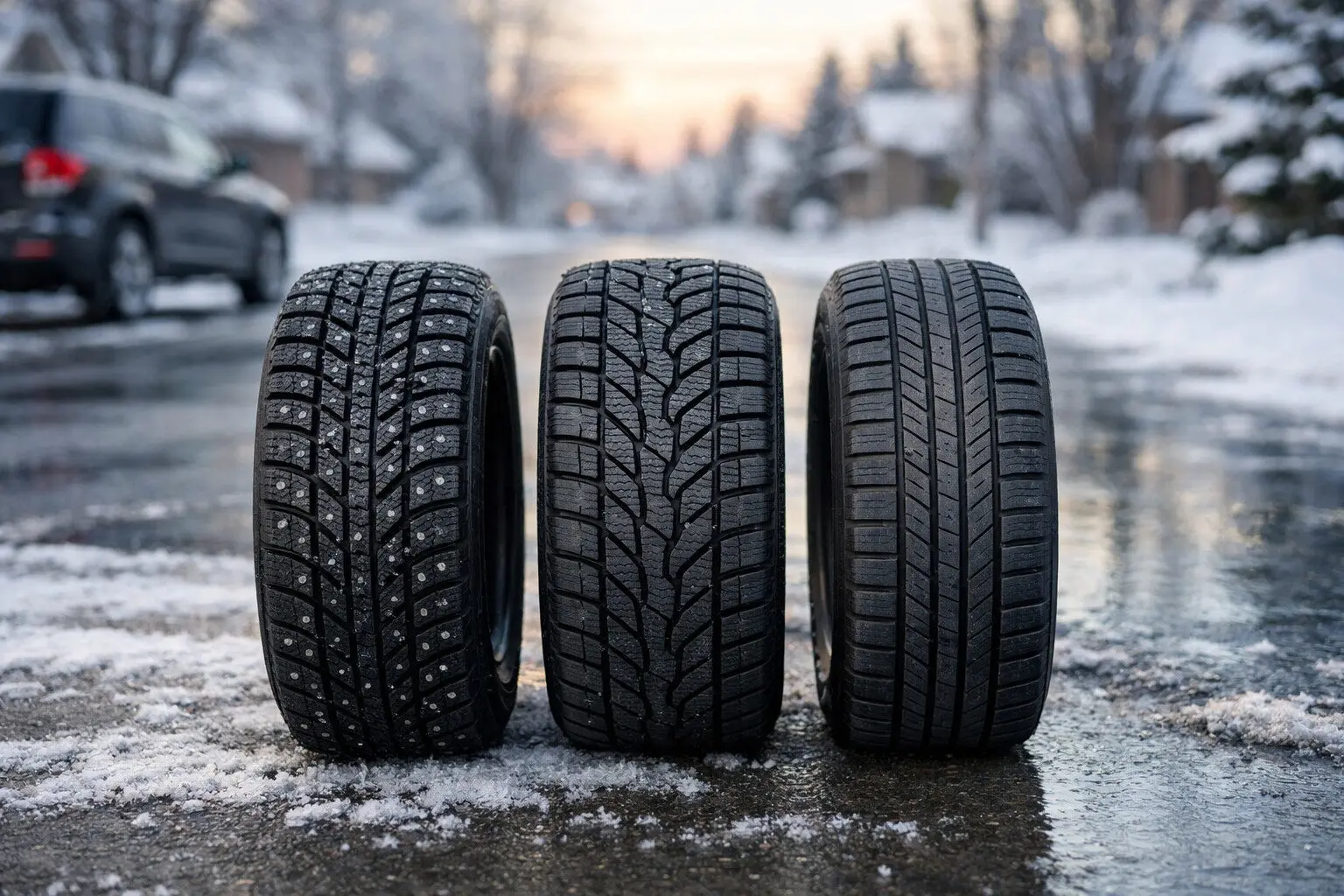
Winter driving doesn’t fail because people “forgot how to drive.” It fails because traction changes faster than your reflexes—black ice at an on-ramp, hard-packed snow at a shaded intersection, slush pooling in ruts, or a surprise freeze after daytime melt.
The right winter tire type isn’t about hype. It’s about matching rubber + tread + (maybe) studs to the conditions you actually face.
Let’s break down the three main options: studded, studless winter, and all-weather—and when each one makes sense.
1) Studded Winter Tires: Maximum ice bite (with trade-offs)
Best for: frequent ice, hard-packed snow, rural roads, steep driveways, and areas where winter stays “real” for months.
Why they work: studs are small metal pins embedded in the tread that mechanically bite into ice, improving braking and accelerating traction when the surface is slick.
Choose studded if you regularly drive on:
-
Glare ice / freezing rain
-
Untreated roads
-
Mountain routes and rural highways
-
Long stretches of hard-packed snow
Downsides to know:
-
Noise and vibration on dry pavement
-
Longer dry-road stopping distances vs. quality studless tires (yes, it can happen)
-
Road wear concerns (some regions restrict or limit seasonal use)
-
Best performance requires proper break-in and correct pressure
Bottom line: If ice is your main enemy, studded is the most confident option—where legal and where conditions justify it.
2) Studless Winter Tires: The modern “best all-around winter” pick
Best for: mixed winter conditions—snow, slush, cold wet roads, and occasional ice.
Why they work: studless tires use advanced winter rubber compounds that stay flexible in the cold, plus aggressive siping and tread patterns that create thousands of biting edges.
Choose studless if you drive in:
-
City + highway commuting
-
Plowed roads with icy patches
-
Cold rain, slush, and variable temperatures
-
Winter climates where conditions change daily
What you’ll notice:
-
Quiet, comfortable ride compared to studs
-
Strong snow traction and confident braking
-
Better “everyday winter” drivability—especially on cleared roads
Bottom line: For most drivers, studless winter tires are the safest, simplest winter upgrade—excellent traction without the compromises of studs.
3) All-Weather Tires: One set year-round (but not a true winter specialist)
Best for: drivers who want a single tire for all seasons and see light-to-moderate winter conditions.
Important: All-weather ≠ all-season. Many all-weather tires carry the 3PMSF rating (Three-Peak Mountain Snowflake), meaning they meet a winter traction standard.
Choose all-weather if:
-
You want to avoid seasonal tire swaps
-
Winters are mild, with occasional snow
-
Roads are usually plowed quickly
-
You drive mostly in-town and at moderate speeds
Limitations:
-
Less grip than a dedicated winter tire on:
-
Ice
-
deep snow
-
very cold conditions
-
-
They’re a compromise by design: good year-round, not best-in-class in winter
Bottom line: All-weather tires are the convenience king—but if you face real ice and real snow often, dedicated winters still win.
Quick Decision Guide (no fluff)
Pick Studded if:
-
You frequently drive on ice or untreated roads
-
You live rural / mountainous
-
Winter is long and consistently below freezing
Pick Studless Winter if:
-
You want the best overall winter performance
-
Your routes are mixed: city + highway
-
You deal with snow/slush and occasional ice
Pick All-Weather (3PMSF) if:
-
Winter is lighter
-
You want one set year-round
-
You prioritize convenience and steady all-season performance
Pro tips before you buy (these matter)
-
Buy the right size for your vehicle (and confirm load index/speed rating where required).
-
Winter tires should ideally be installed in a set of four for predictable handling.
-
If you go studded: confirm local regulations and recommended installation period.
-
For maximum winter traction: choose narrower width (where compatible) and prioritize tread designed for snow evacuation and siping.
In stock & ready to ship
Find the tires you need, delivered from a warehouse near you