
Why Tire Placement Matters More Than You Think in Winter Driving
Installing winter tires only on the front or rear axle can seriously affect vehicle stability. Learn the safest configuration to stay in control on snow and ice.
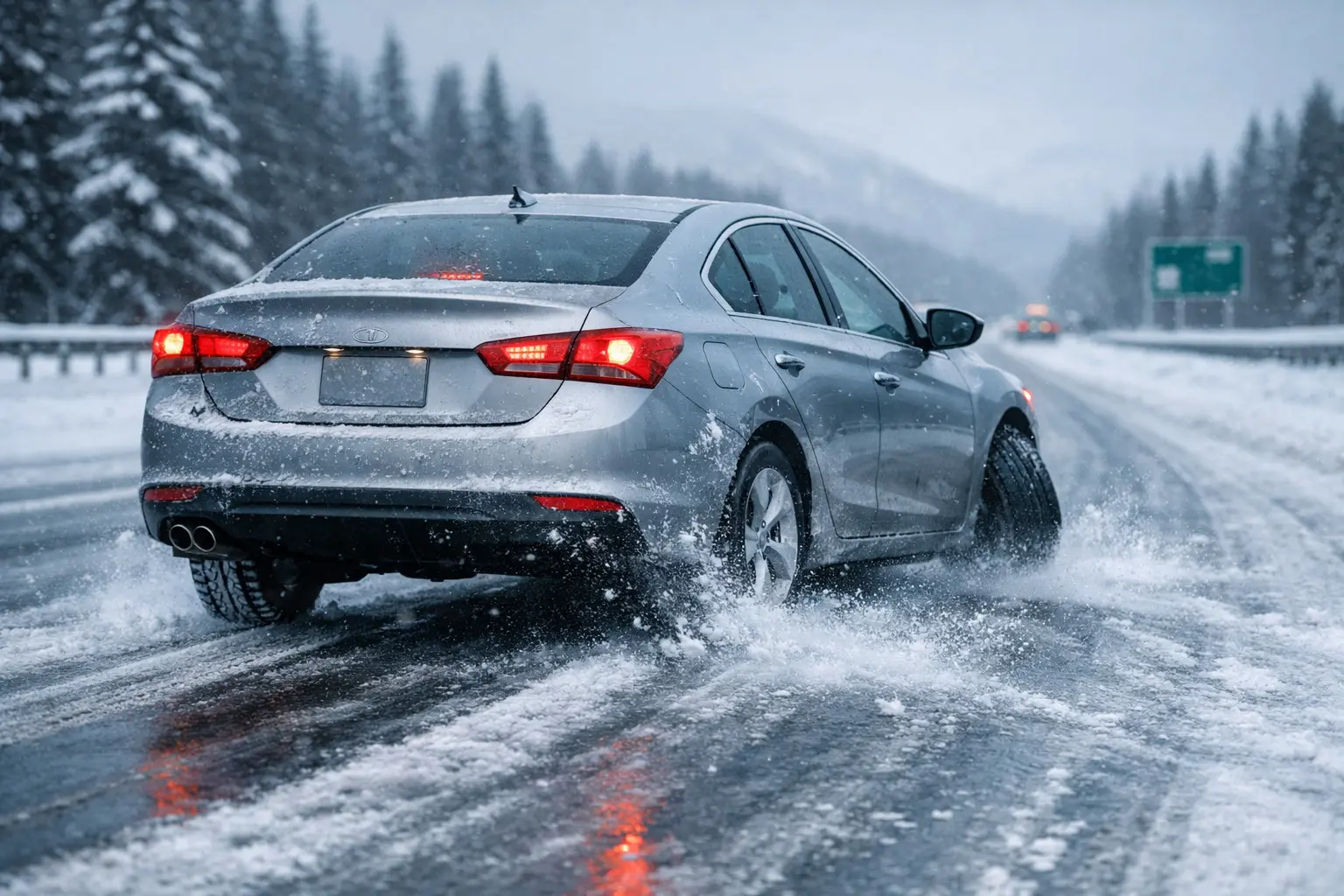
When winter hits, many drivers try to save money by installing winter tires on only two wheels instead of all four. While this might seem like a reasonable compromise, mixing winter tires between the front and rear axle can create dangerous handling issues—especially in snow, slush, or icy conditions.
Let’s break down why placement matters, what happens when tires are mixed incorrectly, and the safest setup for winter driving.
Why Mixing Winter Tires Can Be Risky
Winter tires are designed with softer rubber compounds and aggressive tread patterns that improve traction in cold temperatures. When only two winter tires are installed, the vehicle’s grip becomes unbalanced.
This imbalance can lead to:
-
Loss of control during braking
-
Unpredictable cornering
-
Increased risk of skidding or spinning
The key issue isn’t just traction—it’s vehicle stability.
Winter Tires on the Front Only: A Common Mistake
Many drivers assume that putting winter tires on the front wheels is best, especially for front-wheel-drive vehicles. While this improves steering and acceleration, it creates a major problem:
The rear tires lose grip first.
This often results in:
-
Rear-end fishtailing
-
Oversteer in corners
-
Higher risk of spin-outs at highway speeds
Even experienced drivers struggle to correct this type of loss of control.
Winter Tires on the Rear Only: Is It Better?
Yes—if you’re only installing two winter tires, they should always go on the rear axle, regardless of drivetrain (FWD, RWD, or AWD).
Why?
-
Rear grip keeps the vehicle stable
-
Reduces chances of oversteer
-
Helps maintain straight-line control during braking
While steering may feel less responsive, the vehicle remains far more predictable and safer overall.
The Best and Safest Option: Four Winter Tires
There’s no substitute for running four matching winter tires.
Benefits include:
-
Balanced traction on all wheels
-
Shorter stopping distances
-
Better cornering and lane control
-
Maximum safety in extreme winter conditions
For Canadian winters, this setup offers the best performance and peace of mind.
Tirewarehouse Pro Tip
At Tirewarehouse.ca, we always recommend installing four winter tires for optimal safety. If budget is a concern, choosing quality winter tires over premium all-seasons still makes a significant difference.
Your safety—and your passengers’—is worth it.
In stock & ready to ship
Find the tires you need, delivered from a warehouse near you