
Are Your Winter Tires Still Gripping Like Day One?
A mid-season winter tire inspection can make the difference between confident control and risky winter driving. Here’s how to check if your winter tires are still performing at their best.
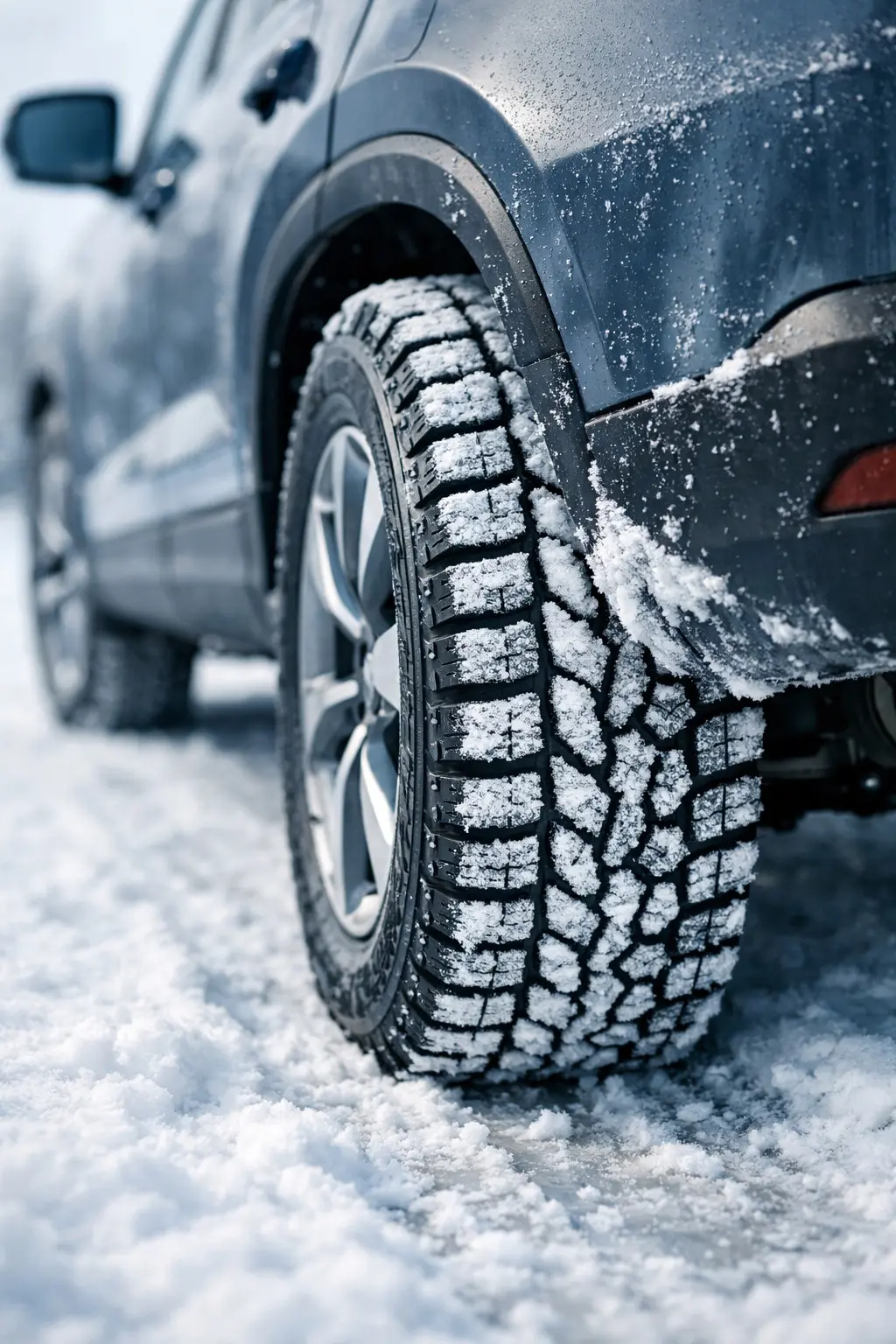
Winter in Canada is no joke. Between black ice, heavy snowfall, slush-covered highways, and sub-zero temperatures, your winter tires are working overtime. But now that we’re midway through the season, it’s time to ask: are your winter tires still delivering peak performance?
A mid-season winter tire check helps ensure your vehicle maintains traction, braking efficiency, and handling when you need it most. Here’s what to look for.
1️⃣ Check Your Tread Depth
What to look for:
-
Minimum legal tread depth in most provinces: 2/32”
-
Recommended winter performance depth: at least 5/32”
-
Uneven wear patterns (could indicate alignment or inflation issues)
If your tread depth is approaching 5/32” or less, your winter traction is significantly reduced — especially on snow and slush.
2️⃣ Monitor Tire Pressure (Cold Temperatures Matter)
Underinflated winter tires can cause:
-
Reduced fuel efficiency
-
Poor handling
-
Uneven tread wear
-
Increased stopping distance
Check your tire pressure at least once a month during winter. Always measure when tires are cold for accurate readings.
3️⃣ Inspect for Damage & Road Hazards
Winter roads hide potholes, debris, and ice chunks that can damage your tires.
Look for:
-
Sidewall cracks or bulges
-
Embedded stones or debris
-
Slow leaks
-
Vibrations while driving
If you notice any of these issues, it’s best to have your tires inspected immediately.
4️⃣ Evaluate Your Winter Driving Performance
Ask yourself:
-
Has braking distance increased?
-
Do you feel reduced traction when accelerating?
-
Is the vehicle sliding more than usual?
Performance changes often signal tread wear or pressure issues.
Premium winter tire brands such as Michelin, Bridgestone, and Continental engineer their winter tires with advanced rubber compounds that stay flexible in extreme cold — but even the best tires lose performance as they wear.
5️⃣ Rotate If Necessary
If you’ve driven 8,000–10,000 km this winter already, it may be time for a tire rotation to promote even wear and extend the life of your winter tires.
When Should You Replace Your Winter Tires?
Consider replacement if:
-
Tread depth is below 5/32”
-
Tires are over 6 years old
-
You notice hardening rubber (less grip in cold weather)
-
There’s visible structural damage
At Tire Warehouse, we carry a wide selection of high-performance winter tires, studded tires, and affordable winter tire packages to keep you safe through the harshest Canadian conditions.
Final Thoughts: Don’t Wait for a Close Call
Winter driving conditions can change in seconds. A simple mid-season winter tire check ensures your vehicle stays responsive, safe, and efficient.
If you’re unsure about your tire condition, our team at tirewarehouse.ca is ready to help you find the perfect replacement tires at competitive prices.
In stock & ready to ship
Find the tires you need, delivered from a warehouse near you