
Long-Distance Move This Summer? Tire Tips for a Heavily Loaded Vehicle
Moving across Canada with a vehicle packed with belongings? Learn how tire pressure, load limits, tread depth, heat and vehicle weight affect tire safety before a long-distance summer drive.
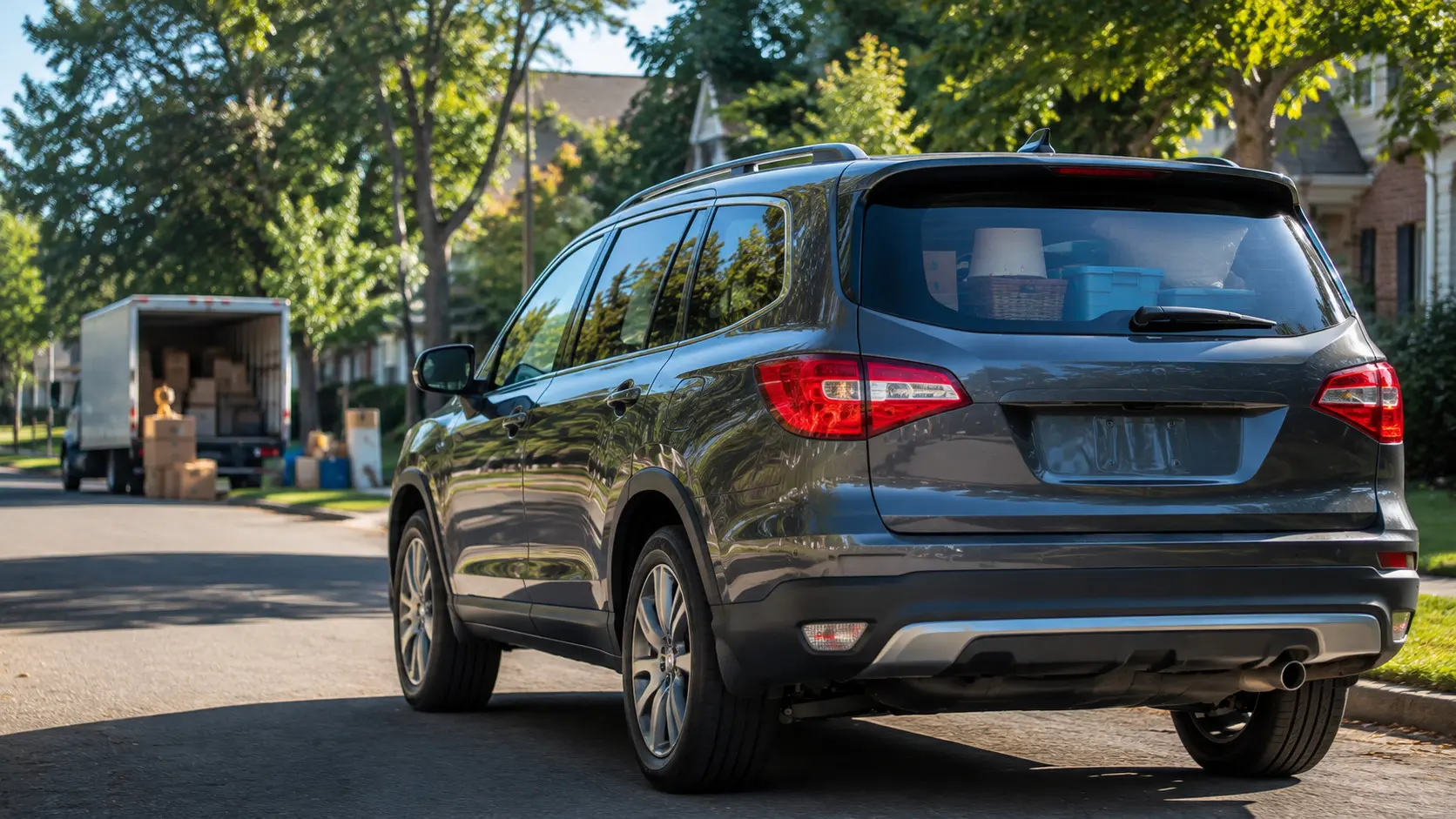
Long-Distance Move This Summer? Tire Tips for a Heavily Loaded Vehicle
A long-distance summer move can put considerably more demand on your tires than an ordinary commute. A vehicle packed with boxes, luggage, passengers, pets or moving equipment carries additional weight, while sustained highway speeds and hot pavement can add to the stresses your tires already handle.
Before driving hundreds or thousands of kilometres, check more than whether your tires simply “look fine.” Tire pressure, tread condition, load capacity, alignment and overall tire condition all deserve attention when preparing a heavily loaded vehicle for a summer move.
This guide explains how to prepare your tires, avoid common loading mistakes and recognize warning signs during a long-distance drive on Canadian highways.
Why Does a Heavy Load Put More Stress on Your Tires?
Adding passengers and cargo increases the load each tire must support, which makes correct inflation pressure and staying within the vehicle’s rated limits especially important.
Your tires form the vehicle’s contact with the road. They must support the vehicle while responding to acceleration, braking, steering, bumps, potholes and changing pavement conditions.
When you load a vehicle for a move, several factors can change at once:
- The tires may be supporting substantially more weight.
- Braking and handling behaviour can change.
- Incorrect tire pressure becomes more consequential.
- Heat generated during sustained driving becomes an important consideration.
- An existing tire problem may become more noticeable under highway use.
- A poorly distributed load can affect how the vehicle feels and responds.
That does not mean a properly maintained vehicle cannot carry cargo. It means the manufacturer’s load and tire specifications matter. A summer move is not the time to estimate how much weight your vehicle can safely carry.
Expert tip: Treat tire preparation and vehicle loading as one safety check. Correct tire pressure cannot compensate for an overloaded vehicle, and staying under the vehicle’s weight limit does not compensate for damaged or improperly inflated tires.
Check Your Vehicle’s Load Limit Before Packing
Your first step should be determining how much combined passenger and cargo weight your particular vehicle is designed to carry.
Do not base this decision on how much physical space is available. A vehicle can run out of allowable payload before it runs out of room.
Consult the vehicle’s placard and owner’s manual for the manufacturer’s specifications. Depending on the vehicle, you may find information relating to occupant and cargo limits, recommended tire pressures and other loading requirements.
Remember That People Count as Weight
Payload is not just your moving boxes. Passengers and other items carried in or on the vehicle contribute to the overall load.
Depending on your setup, that may include:
- the driver and passengers;
- suitcases and moving boxes;
- coolers and food;
- pet carriers and supplies;
- tools and emergency equipment;
- bicycles and racks;
- roof-mounted cargo and its carrier; and
- other equipment transported with the vehicle.
If you are towing a trailer, additional vehicle and trailer ratings become relevant. Consult the owner’s manuals and manufacturer specifications rather than assuming the vehicle can safely tow a particular trailer simply because a hitch is installed.
Do Not Confuse Tire Load Rating With Vehicle Payload
A tire’s load capacity and the vehicle’s allowable loading limits are related safety considerations, but they are not interchangeable.
Replacement tires should meet the specifications appropriate for the vehicle. Installing tires capable of carrying a particular load does not increase the vehicle manufacturer’s payload, axle or towing limits.
Set Tire Pressure Before You Leave
Check tire pressure when the tires are cold and use the vehicle manufacturer’s recommended cold inflation pressure as your primary reference.
The correct pressure is generally found on the vehicle’s tire information placard, commonly located around the driver’s door or door jamb, and in the owner’s manual. Some vehicles specify different pressures depending on loading conditions, so check the instructions for your specific model.
Do Not Use the Sidewall Maximum as Your Normal Target
One common mistake is reading a pressure value on the tire sidewall and assuming that is the recommended everyday pressure for the vehicle.
Instead, follow the vehicle manufacturer’s specified cold inflation pressure for your vehicle, tire configuration and applicable loading conditions.
The tire sidewall provides important information about the tire itself, including its size and service characteristics, but it should not replace the vehicle manufacturer’s inflation instructions.
Why Check Pressure When Tires Are Cold?
Tire pressure changes with temperature and increases as tires warm during driving. A reading taken after extended highway travel therefore is not equivalent to a cold-pressure reading.
A practical routine is to check the tires before leaving in the morning or after the vehicle has been parked long enough for the tires to cool, following the guidance in your owner’s manual.
Do Not Intentionally Bleed Pressure From a Hot Tire
If a tire’s pressure is higher after highway driving, that does not automatically mean it was overinflated when cold. Releasing air simply because a warm tire shows a higher reading can leave the tire underinflated once it cools.
If a reading seems unusual, inspect the tire and recheck it under appropriate cold conditions. Seek professional help if you suspect damage, leakage or another tire problem.
Inspect All Four Tires Before a Long-Distance Move
A pre-trip tire inspection should cover pressure, tread, sidewalls, unusual wear and signs of physical damage on every tire.
A heavily loaded highway trip can expose weaknesses that were less obvious during short urban drives. Give yourself enough time to have a questionable tire professionally inspected rather than discovering a problem after the vehicle is packed.
| What to Check | What to Look For | Why It Matters |
|---|---|---|
| Tire pressure | Cold pressure compared with vehicle specifications | Supports proper load carrying, handling and tire performance |
| Tread depth | Low tread or major differences between tires | Tread condition affects traction and wet-road performance |
| Tread wear | Uneven wear across the tread | Can indicate inflation, alignment or mechanical issues |
| Sidewalls | Cuts, cracks, bulges or other visible damage | Damage may require professional evaluation or replacement |
| Tread area | Nails, screws or embedded objects | May indicate a puncture or potential pressure loss |
| Valve area | Visible damage or suspected leakage | Air loss can lead to incorrect inflation pressure |
| TPMS | Warning light or pressure alert | A warning should be investigated rather than ignored |
Look for Uneven Tire Wear
Uneven wear can provide clues about problems that deserve attention before a major trip. Wear concentrated on certain parts of the tread can be associated with inflation, alignment, suspension or other mechanical conditions.
If one tire looks noticeably different from the others, consider having the tires and vehicle inspected before departure.
Inspect the Inner Sidewalls Too
The outer sidewall is easy to see, but damage may exist on less visible portions of a tire. If you cannot safely inspect the complete tire yourself, a professional tire inspection is a sensible part of long-distance move preparation.
Make Sure Your Tires Are Appropriate for Summer Conditions
For a summer move, use tires that are suitable for the expected temperatures, road conditions and vehicle requirements along your route.
Canadian summer travel can involve much more than warm sunshine. A cross-country or interprovincial route may expose you to heavy rain, construction zones, gravel, potholes and major temperature changes.
Depending on your vehicle and driving needs, you may be travelling on summer, all-season or all-weather tires. Whatever category you use, condition and correct specifications matter.
What About Driving on Winter Tires in Summer?
Winter tires are engineered primarily for cold-weather conditions. Their rubber compounds and tread designs are optimized for winter traction rather than sustained warm-weather operation.
If your move takes place during warm summer weather, have the appropriate seasonal tire setup installed before a long trip rather than assuming winter tires are ideal for year-round use.
Pay Special Attention to Tread Depth Before a Rainy Highway Trip
Adequate tread is particularly important when a summer route may include heavy rain and standing water.
Tread channels help manage water at the tire-road interface. As tread wears, wet-weather capability can decline, and standing water can contribute to hydroplaning.
Do not evaluate tread solely by whether the tire is technically still usable. For a long trip, consider the tire’s overall condition, remaining tread and the weather you may encounter over thousands of kilometres.
What Is Hydroplaning?
Hydroplaning occurs when a tire loses sufficient contact with the road surface because of water between the tire and pavement. Vehicle speed, water depth, tire condition and tread depth are among the factors that can influence the risk.
During heavy rain, reduce speed as conditions require, increase following distance and avoid abrupt steering or braking inputs. Never rely on a tire’s marketing category as permission to maintain normal dry-road speeds in severe weather.
Distribute Cargo Carefully Instead of Simply Filling Every Space
Cargo should be securely packed and distributed according to the vehicle manufacturer’s loading guidance rather than concentrated wherever it happens to fit.
A badly arranged load can affect vehicle balance and handling. Heavy unsecured objects can also become dangerous during sudden braking or a collision.
When packing:
- Confirm the vehicle’s passenger and cargo limits.
- Account for the weight of occupants as well as belongings.
- Follow manufacturer guidance for cargo placement.
- Secure items so they cannot shift during cornering or braking.
- Avoid loading that obstructs the driver’s visibility.
- Follow specified limits for roof racks, cargo carriers and accessories.
- Recheck the vehicle after packing rather than assuming everything is acceptable because it fits.
Be Careful With Roof Cargo
A roof box can create useful space, but it does not create unlimited payload. The carrier, crossbars and cargo all add weight, and the roof system itself has a specified capacity.
Roof-mounted cargo can also change the vehicle’s centre of gravity and aerodynamic behaviour. Follow the limits and loading instructions supplied by both the vehicle and equipment manufacturers.
Understand How Heat Affects Tires on a Summer Move
Summer heat, sustained highway speeds and heavy loading make proper tire condition and inflation especially important.
Tires flex as they rotate, and normal operation generates heat. Ambient temperature, road temperature, vehicle load, inflation pressure and speed can all influence operating conditions.
That is one reason a long-distance summer trip deserves more preparation than a quick visual inspection at a fuel stop.
Expert tip: If a tire repeatedly loses pressure, looks damaged, develops a bulge or produces unusual vibration, do not simply keep adding air and continue a long trip. Have the cause professionally assessed.
Do Not Ignore Your TPMS Warning Light
A tire pressure monitoring system can alert you to pressure problems, but it does not replace manual pressure checks and physical tire inspections.
If the TPMS warning illuminates before or during your move, find a safe place to stop and investigate according to your vehicle manufacturer’s instructions.
A tire can also have damage or abnormal wear without triggering a pressure warning. That is why checking tread and sidewall condition remains important even when no warning light is present.
Check Alignment and Tire Rotation Before the Move
If your vehicle pulls, the steering wheel is off-centre or the tires show unusual wear, consider having the alignment and related components inspected before a major trip.
Wheel alignment influences how tires contact the road and wear. A long highway journey can add many kilometres quickly, so existing uneven-wear problems are worth addressing beforehand.
Tire rotation can also promote more even wear when performed according to the vehicle and tire manufacturer’s recommendations. Rotation patterns and intervals can differ depending on drivetrain and tire configuration.
Inspect Your Spare Tire and Emergency Equipment
Your tire preparation should include whatever puncture or mobility equipment your vehicle actually carries.
Some vehicles have a full-size spare, some use a temporary spare, and others may rely on an inflator or mobility kit. Know your vehicle’s setup before departure.
Check:
- the spare tire’s condition and inflation pressure, if equipped;
- the location and condition of the jack and wheel tools, if supplied;
- the condition and expiry information of a mobility kit, where applicable;
- whether your roadside assistance coverage applies along your planned route; and
- the vehicle manufacturer’s instructions for using temporary equipment.
Temporary spare tires and mobility solutions may have specific limitations. Follow the instructions associated with your vehicle and equipment.
Recheck Your Tires During a Multi-Day Move
A tire inspection should not end when you leave the driveway, especially on a journey covering several provinces or multiple days.
Before each day’s driving, walk around the vehicle and look for visible changes. Periodically check cold tire pressure according to manufacturer guidance, particularly if you suspect a leak or have experienced a significant change in conditions.
Warning Signs Worth Investigating
Find a safe place to stop and investigate if you notice:
- a TPMS warning;
- new or increasing vibration;
- unusual steering behaviour;
- visible tire damage;
- a tire that repeatedly loses pressure;
- unusual noise associated with a wheel or tire; or
- a noticeable change in how the vehicle handles.
If you cannot identify the cause safely, professional inspection is preferable to continuing a long highway drive with a suspected tire problem.
Adjust Your Driving for the Extra Vehicle Weight
A heavily loaded vehicle may not accelerate, corner or stop exactly as it does when lightly loaded, so drive conservatively and leave additional room for changing conditions.
Even when the vehicle remains within its rated limits, the additional mass can affect its behaviour. Allow yourself time to become familiar with how the loaded vehicle responds before settling into a long highway drive.
Useful habits include:
- maintaining an appropriate following distance;
- reducing speed for rain, construction and poor road surfaces;
- avoiding abrupt steering inputs;
- braking progressively where conditions permit;
- slowing before curves rather than making sudden corrections;
- watching for potholes and road debris; and
- allowing additional space when the vehicle feels less responsive than usual.
Summer Moving Tire Checklist
The safest preparation combines correct vehicle loading with a complete tire and equipment inspection before departure.
| Check | Before Packing | Before Departure | During the Trip |
|---|---|---|---|
| Vehicle load limits | Confirm specifications | Verify final load | Recheck if cargo changes |
| Tire pressure | Review specification | Check cold pressure | Monitor periodically |
| Tread | Inspect condition | Check for damage | Watch for changes |
| Sidewalls | Inspect | Inspect again | Check after suspected impacts |
| TPMS | Address warnings | Confirm no unresolved warning | Investigate alerts |
| Spare or mobility kit | Locate equipment | Verify condition | Keep accessible |
| Cargo | Plan distribution | Secure everything | Check for shifting |
Common Tire Mistakes to Avoid During a Summer Move
Most moving-day tire mistakes come from rushing, overloading or treating a long highway journey like an ordinary drive around town.
- Guessing tire pressure: Use an accurate gauge and the vehicle manufacturer’s specifications.
- Inflating to the sidewall value automatically: The vehicle placard and owner’s manual provide the relevant vehicle inflation guidance.
- Checking only the front tires: Inspect all tires and the spare where equipped.
- Assuming a TPMS means pressure checks are unnecessary: TPMS is a warning system, not a replacement for maintenance.
- Loading until no space remains: Physical cargo space is not the same as allowable payload.
- Ignoring uneven tread wear: It can indicate a condition worth inspecting before a long trip.
- Bleeding air from hot tires without proper guidance: Pressure naturally changes as tires heat during operation.
- Ignoring small leaks: Repeated pressure loss deserves investigation.
- Forgetting the spare: A flat spare tire is little help during a roadside emergency.
Should You Replace Tires Before a Long-Distance Move?
Replacement may be appropriate when tires are worn, damaged, unsuitable for the vehicle or otherwise unable to provide dependable service for the planned journey.
There is no universal rule saying every older tire must be replaced simply because you are moving. The decision should consider tread condition, visible damage, age, tire specifications, maintenance history and professional inspection where appropriate.
If you are already questioning whether a tire is suitable for a journey of several thousand kilometres, it makes sense to resolve that uncertainty before loading the vehicle.
Choose Replacement Tires by More Than Price
When replacement is necessary, confirm the correct tire size, load index, speed rating and other specifications required for your vehicle. Then consider how the tire fits your actual driving conditions.
For Canadian drivers, factors may include:
- summer versus year-round driving;
- wet-weather traction;
- highway comfort and road noise;
- tread life;
- rolling resistance and fuel efficiency;
- expected cargo and passenger use; and
- whether a separate winter tire set will be used when temperatures fall.
Final Recommendation: Prepare the Tires Before You Pack the Last Box
A long-distance summer move is easier to manage when tire inspection and vehicle loading are part of your preparation rather than last-minute tasks.
Start by confirming your vehicle’s load limits and tire specifications. Inspect tread and sidewalls, set cold tire pressures correctly, check your spare or mobility equipment and secure the cargo according to manufacturer guidance.
Once you’re on the road, continue paying attention. A quick walk-around before each day’s drive can reveal a problem that was not present when you left home.
Most importantly, do not ask your tires to compensate for an overloaded vehicle, unresolved mechanical problem or unsafe driving conditions. Good tires work as part of a complete system that includes proper inflation, appropriate loading, vehicle maintenance and sensible driving.
Frequently Asked Questions About Tires and Heavily Loaded Vehicles
Should I increase my tire pressure when my vehicle is heavily loaded?
Follow the vehicle manufacturer’s recommended inflation pressures and loading instructions. Some vehicles provide different recommendations for particular load conditions. Do not guess or automatically inflate tires to the maximum pressure shown on the tire sidewall.
Where do I find the correct tire pressure for my vehicle?
Look for the vehicle’s tire information placard, commonly located around the driver’s door or door jamb, and consult the owner’s manual. Use the specification applicable to your vehicle and tire configuration.
Should I check tire pressure before or after loading the vehicle?
Plan your pressure requirements before departure and check inflation when the tires are cold, following your vehicle manufacturer’s guidance. Also verify that your final passenger and cargo load remains within the vehicle’s limits.
Why does tire pressure increase during a highway drive?
Tires warm during normal operation, and pressure changes as temperature changes. For that reason, manufacturer inflation specifications are typically based on cold tire pressure rather than a reading taken immediately after extended highway driving.
Can I use the maximum PSI on the tire sidewall as my recommended pressure?
Do not assume the sidewall value is your vehicle’s recommended everyday inflation pressure. Use the vehicle manufacturer’s placard and owner’s manual for the appropriate cold inflation specification.
Does a roof box count toward my vehicle’s load?
Yes, equipment and cargo carried on the vehicle add weight. Follow both the vehicle manufacturer’s loading limits and the specifications for the roof rack, crossbars and cargo carrier.
Can an overloaded vehicle damage tires?
Exceeding vehicle or tire load limits can place excessive stress on tires and other vehicle components and can negatively affect handling. Stay within all applicable manufacturer ratings.
How often should I check my tires on a cross-country move?
Inspect the vehicle before departure and perform regular walk-arounds during a multi-day trip. Check cold tire pressure periodically and whenever you suspect a leak, receive a TPMS warning or notice unusual vehicle behaviour.
What tire damage should stop me from starting a long trip?
Bulges, significant cuts, exposed structural material, serious cracking, repeated pressure loss or other questionable damage should be professionally assessed. Do not assume visible damage is safe simply because the tire still holds air.
Are all-season tires suitable for a Canadian summer road trip?
All-season tires can be appropriate for summer use when they meet the vehicle’s requirements and are in suitable condition. Actual performance depends on the specific tire, tread condition, inflation, vehicle and road conditions.
Should I rotate my tires before a long-distance move?
If rotation is due according to your vehicle or tire manufacturer’s maintenance schedule, doing it before a major trip may be convenient. Have unusual wear investigated rather than assuming rotation alone will correct the underlying cause.
What should I do if my TPMS light comes on during the move?
Find a safe place to stop and follow your vehicle manufacturer’s instructions. Check for pressure loss or visible damage and seek professional assistance if the cause cannot be safely identified or corrected.
Do I need to inspect my spare tire before leaving?
Yes, if your vehicle carries a spare, check its condition and inflation according to manufacturer guidance. If your vehicle uses a mobility kit instead, verify that the equipment is present, usable and within any applicable expiry period.
Recommended Related Reading
Continue preparing your vehicle with these useful TireWarehouse.ca topics:
In stock & ready to ship
Find the tires you need, delivered from a warehouse near you