
The Hidden Danger of Uneven Wear on Your Winter Tires
Learn how uneven tread wear reduces traction, increases stopping distance, and compromises control in snow and ice — and what you can do to prevent it.
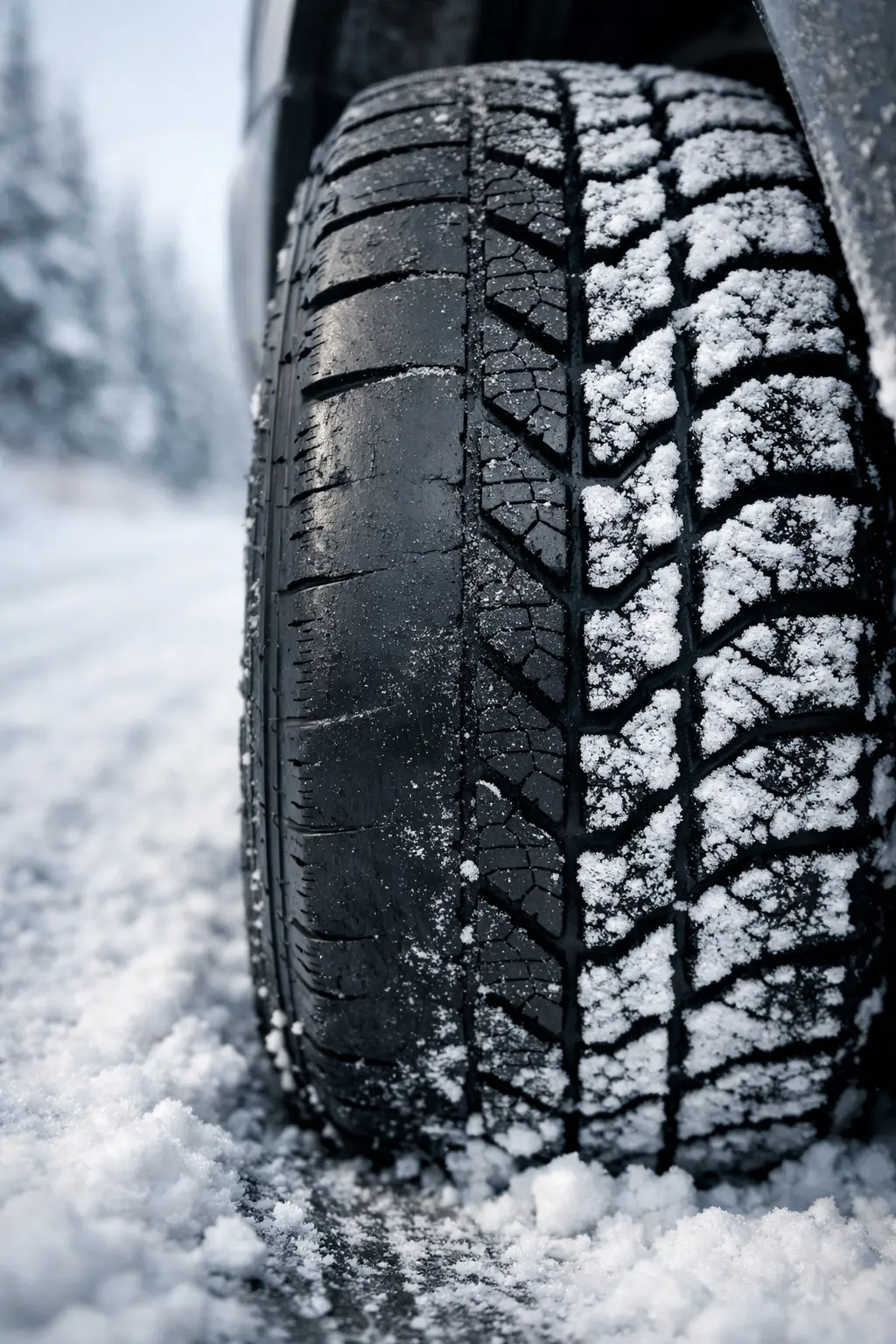
When Canadian drivers invest in premium winter tires from brands like Michelin, Bridgestone, or Goodyear, they expect maximum grip and safety in harsh winter conditions.
But even the best winter tires can underperform if they develop uneven wear.
At tirewarehouse.ca, we know that winter tire performance isn’t just about brand or tread design — it’s about maintaining optimal tread condition. Here’s how uneven wear impacts your winter driving and what you can do to avoid costly risks.
What Is Uneven Tire Wear?
-
Inner or outer edge wear
-
Cupping (scalloped patches around the tread)
-
Center wear from overinflation
-
One-sided wear due to misalignment
These issues are typically caused by poor wheel alignment, improper tire pressure, worn suspension components, or lack of regular tire rotation.
How Uneven Wear Reduces Winter Performance
Winter tires are engineered with softer rubber compounds and deeper tread patterns designed to perform in freezing temperatures. When wear becomes uneven, several critical safety factors are affected:
1. Reduced Traction on Snow and Ice
Winter tread blocks are designed to grip and bite into snow. If sections are worn unevenly, the contact patch becomes inconsistent, limiting overall traction.
2. Longer Braking Distances
In icy conditions, stopping power is everything. Uneven tread depth reduces grip consistency, which can significantly increase braking distance.
3. Higher Risk of Hydroplaning in Slush
Canadian winters bring snow, slush, and water buildup. Uneven tread disrupts water evacuation channels, increasing the likelihood of hydroplaning.
4. Vibration and Reduced Stability
Cupping or patchy wear often causes steering wheel vibrations, affecting vehicle stability at highway speeds.
Warning Signs You Shouldn’t Ignore
-
Persistent vibration while driving
-
Vehicle pulling to one side
-
Unusual humming or road noise
-
Noticeably different tread depth across the tire
If you notice any of these symptoms, your winter tires may already be compromising your safety.
How to Prevent Uneven Tire Wear
At tirewarehouse.ca, we recommend:
✔ Tire rotation every 8,000–10,000 km
✔ Wheel alignment check at least once per season
✔ Maintaining proper tire pressure (especially in cold weather)
✔ Suspension inspection if vibration occurs
Proper maintenance not only extends the life of your winter tires but ensures peak performance when you need it most.
When Should You Replace Winter Tires?
In Canada, winter tires should typically be replaced once tread depth reaches 4 mm. Even if the tire isn’t fully worn out, uneven tread patterns can justify earlier replacement to maintain optimal winter safety.
Final Thoughts
Uneven tire wear isn’t just cosmetic — it directly impacts traction, braking performance, and overall vehicle control in winter conditions. Even premium winter tires lose effectiveness without proper maintenance.
If you’re unsure about the condition of your winter tires or are ready to upgrade, visit tirewarehouse.ca to explore top-rated winter tire options and drive confidently this season.
In stock & ready to ship
Find the tires you need, delivered from a warehouse near you