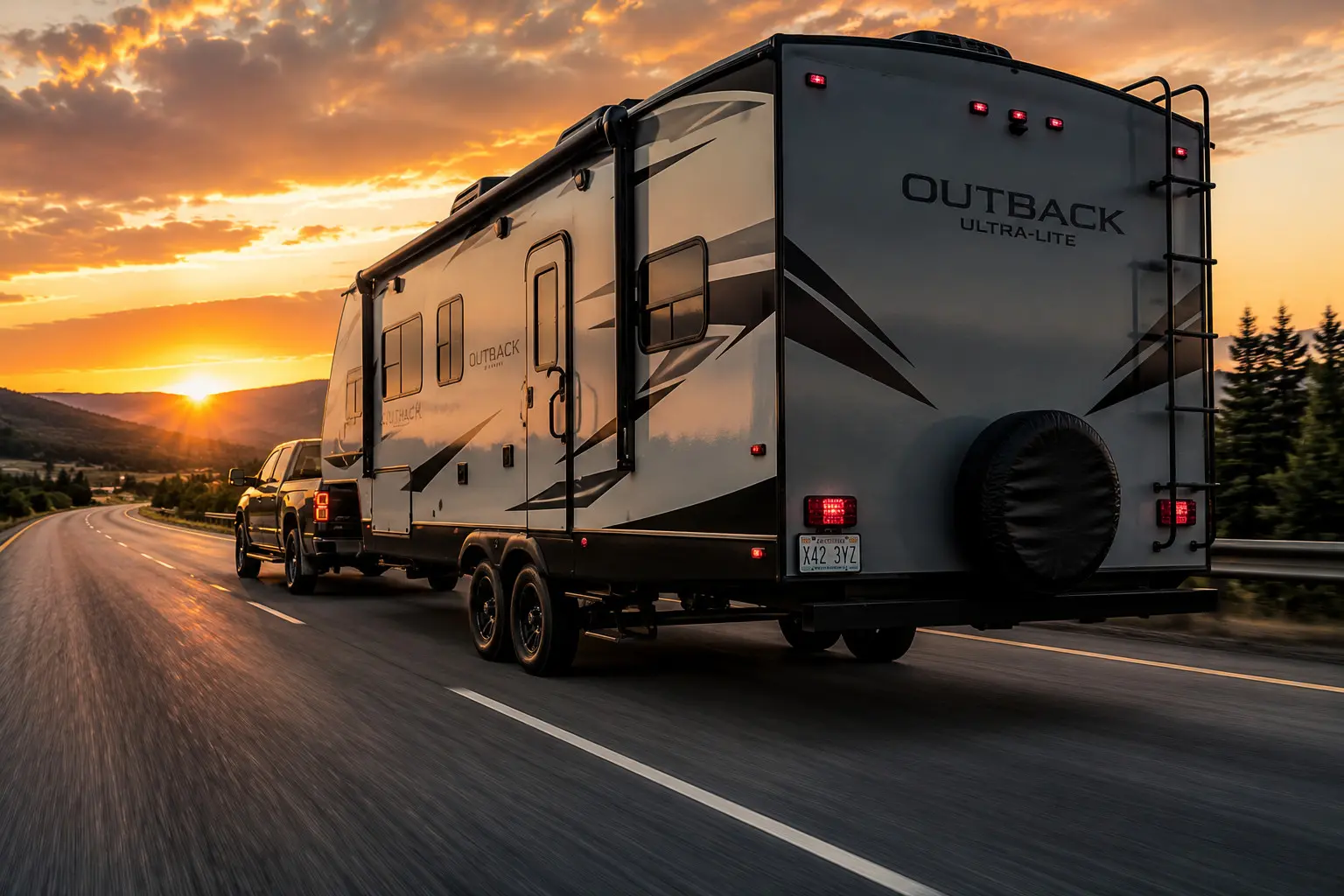
Towing a trailer, camper, boat, or heavy equipment can dramatically change the way your vehicle handles on the road. While most drivers focus on engine power and towing capacity, tires are often overlooked — even though they are one of the most critical components for safe towing.
Excess weight, poor tire pressure, and uneven load distribution can accelerate tire wear and increase the risk of blowouts, poor braking performance, and loss of control. Understanding how towing impacts your tires can help extend their lifespan and keep you safer behind the wheel.
Increased Load Means Increased Tire Stress
When towing, your tires carry significantly more weight than during normal driving. This added stress causes tires to flex more, generate extra heat, and wear down faster.
The most common issues caused by towing include:
- Uneven tread wear
- Sidewall damage
- Overheating
- Reduced traction
- Tire blowouts
If your tires are not designed for towing or heavy-duty applications, they may struggle to handle the additional load safely.
Tire Pressure Becomes More Important
Proper tire inflation is essential when towing. Underinflated tires create excessive heat buildup, which is one of the leading causes of tire failure during long trips.
Before towing, always:
- Check tire pressure when tires are cold
- Inflate tires according to the manufacturer’s towing recommendations
- Inspect trailer tires as well
- Monitor pressure during long-distance travel
Even a small drop in PSI can negatively affect stability, fuel efficiency, and tire life.
Uneven Weight Distribution Accelerates Wear
Improper trailer loading can place too much pressure on one side of the vehicle or trailer axle. This imbalance leads to premature tire wear and unstable handling.
Signs of uneven weight distribution include:
- Excessive wear on one tire edge
- Trailer sway at highway speeds
- Steering instability
- Vibrations while driving
Distributing cargo evenly and using the correct hitch setup can greatly improve tire performance and towing safety.
Heat Buildup During Long Towing Trips
Towing heavy loads over long distances creates friction and heat inside the tire. High temperatures can weaken tire structure and increase the likelihood of a blowout — especially during summer driving.
To reduce heat-related tire damage:
- Avoid overloading your vehicle
- Maintain proper tire pressure
- Reduce speed when towing
- Take breaks during long trips
- Use tires rated for towing applications
Heavy-duty or reinforced tires are often better equipped to handle sustained towing stress.
Braking Distance and Tire Grip
Towing increases stopping distance, especially in wet or slippery conditions. Worn tires lose traction faster and can compromise braking performance when extra weight is involved.
Drivers should regularly inspect:
- Tread depth
- Cracks or bulges
- Irregular wear patterns
- Tire age
Replacing worn tires before towing season is one of the best ways to improve road safety.
Choosing the Right Tires for Towing
Not all tires are built for towing. Vehicles that regularly haul heavy loads benefit from tires specifically engineered for durability, stability, and load capacity.
Important features to look for include:
- Higher load ratings
- Reinforced sidewalls
- Heat-resistant compounds
- All-terrain or highway towing tread designs
- Enhanced traction for wet conditions
Choosing the right tire can improve control, reduce wear, and increase confidence while towing.
Final Thoughts
Towing places extra demands on your tires that should never be ignored. From increased heat and pressure to faster tread wear and longer braking distances, every mile under load affects tire performance.
Routine inspections, proper inflation, balanced loading, and using the right tires can make a major difference in both safety and tire longevity. Whether you tow occasionally or every day, investing in proper tire maintenance helps protect your vehicle, cargo, and everyone on the road.