
From Lab to Road: How Tires Are Tested Before Reaching Drivers
Ever wonder how tire manufacturers ensure safety and performance? Discover the rigorous testing process every tire undergoes before it hits the market.
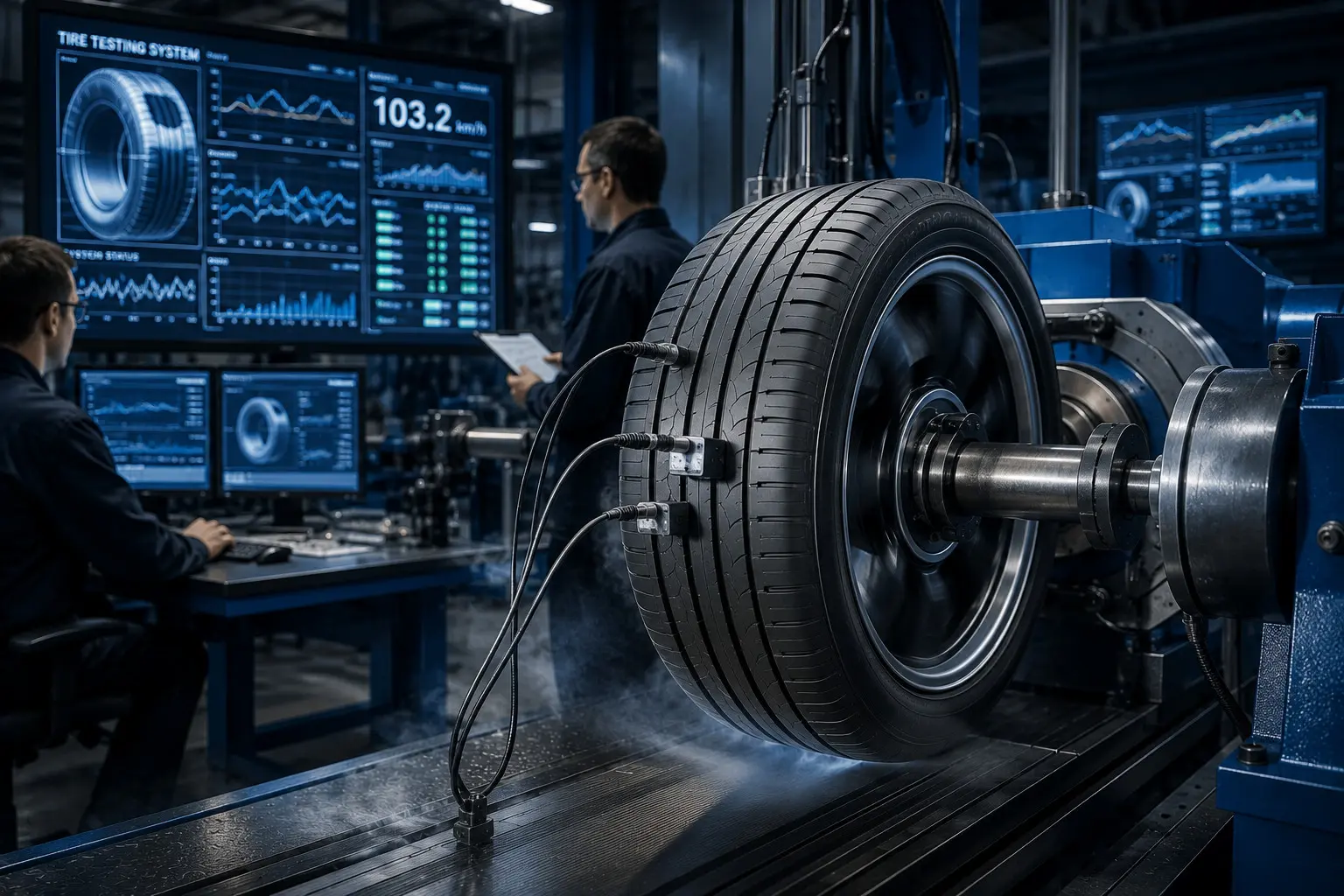
Before a new tire reaches dealerships or online stores, it undergoes years of research, engineering, and rigorous testing. Modern tires must perform safely in extreme temperatures, heavy rain, snow, high speeds, and challenging road conditions—all while delivering comfort, efficiency, and durability.
Tire testing is one of the most comprehensive processes in the automotive industry, ensuring every product meets strict safety standards before it reaches drivers.
Why Tire Testing Is So Important
Tires are the only point of contact between a vehicle and the road. A single tire failure can affect:
- Braking performance
- Vehicle handling
- Fuel efficiency
- Passenger comfort
- Overall safety
That’s why manufacturers invest millions in testing facilities and advanced simulation technologies to validate tire performance before launch.
Stage 1: Computer Simulation and Virtual Testing
The tire development process begins long before a physical prototype is created.
Engineers use advanced software and artificial intelligence to simulate:
- Tread wear
- Rolling resistance
- Hydroplaning behavior
- Heat generation
- Structural stress
- Noise levels
Virtual testing allows manufacturers to optimize tire designs faster and reduce development costs while improving performance.
Stage 2: Material and Compound Testing
A tire contains dozens of materials, including:
- Natural rubber
- Synthetic rubber
- Silica
- Steel belts
- Textile reinforcements
- Chemical additives
Each material undergoes laboratory testing to evaluate:
Durability
Engineers test resistance to cracking, tearing, and wear.
Flexibility
Rubber compounds are exposed to extreme temperatures to ensure performance in both hot and cold conditions.
Grip Performance
Compounds are analyzed for traction on dry, wet, snowy, and icy surfaces.
Stage 3: Indoor Laboratory Testing
Once prototypes are built, they undergo controlled laboratory tests.
High-Speed Testing
Tires are mounted on large drums and spun at speeds exceeding legal driving limits to ensure structural integrity under extreme conditions.
Endurance Testing
Manufacturers simulate thousands of kilometers of driving to evaluate long-term durability and tread wear.
Load Capacity Testing
Tires are tested under heavy loads to confirm they can safely support vehicle weight.
Impact Resistance Testing
Engineers expose tires to pothole-like obstacles and impacts to assess sidewall strength and durability.
Stage 4: Wet Performance Testing
One of the most critical tests involves wet roads.
Manufacturers measure:
- Braking distances
- Cornering grip
- Hydroplaning resistance
- Stability during emergency maneuvers
Special test tracks with controlled water depths allow engineers to replicate severe rain conditions safely.
Stage 5: Winter Testing
Winter tires undergo extensive cold-weather evaluation.
Testing takes place in environments with:
- Snow-covered roads
- Ice tracks
- Sub-zero temperatures
Engineers evaluate:
- Acceleration on snow
- Braking on ice
- Cornering stability
- Slush performance
Only tires meeting specific performance standards may qualify for winter certifications such as the Three-Peak Mountain Snowflake (3PMSF) symbol.
Stage 6: Noise and Comfort Testing
Modern drivers expect quiet and comfortable rides.
Manufacturers use microphones and vibration sensors to measure:
- Road noise
- Cabin comfort
- Vibration frequencies
- Acoustic resonance
Engineers refine tread designs to reduce noise while maintaining performance.
Stage 7: Real-World Road Testing
Laboratory testing alone isn’t enough.
Professional drivers evaluate tires in real-world conditions, including:
- Highways
- Urban streets
- Mountain roads
- Gravel surfaces
- Extreme weather environments
This stage validates how tires perform in everyday driving scenarios.
Regulatory Standards and Certifications
Before entering the market, tires must comply with various regulations and certifications depending on the region.
These standards often cover:
- Safety requirements
- Rolling resistance
- Wet grip performance
- Noise emissions
- Load and speed ratings
Meeting these standards ensures consumers receive reliable and safe products.
How Long Does Tire Development Take?
Developing a new tire can take anywhere from two to five years, depending on complexity and intended use.
During this time, manufacturers may conduct:
- Thousands of laboratory tests
- Millions of simulated kilometers
- Extensive road evaluations across multiple climates
The result is a tire engineered to perform safely under a wide range of conditions.
Final Thoughts
Before a tire ever touches the road, it undergoes one of the most rigorous testing processes in the automotive world. From virtual simulations and laboratory evaluations to winter testing and real-world driving, manufacturers leave little to chance when it comes to safety and performance.
The next time you install a new set of tires, remember that years of engineering, testing, and innovation stand behind every mile you drive.
In stock & ready to ship
Find the tires you need, delivered from a warehouse near you