When most drivers shop for tires, they focus on tread patterns, size, or brand reputation. However, one of the most important factors influencing tire performance is something many people never see: the rubber compound.
The tire compound determines how a tire grips the road, reacts to temperature changes, handles corners, and even how long it lasts. Whether you’re driving through summer heat, winter snow, or rainy highways, the rubber composition directly affects your vehicle’s safety and performance.
What Is a Tire Rubber Compound?
A tire rubber compound is a carefully engineered blend of natural rubber, synthetic rubber, silica, carbon black, oils, and other chemical additives. Tire manufacturers use different combinations to achieve specific performance goals such as:
- Better traction
- Longer tread life
- Improved fuel efficiency
- Enhanced wet grip
- Greater ride comfort
- Reduced rolling resistance
Each tire category uses a unique compound designed for specific driving conditions.
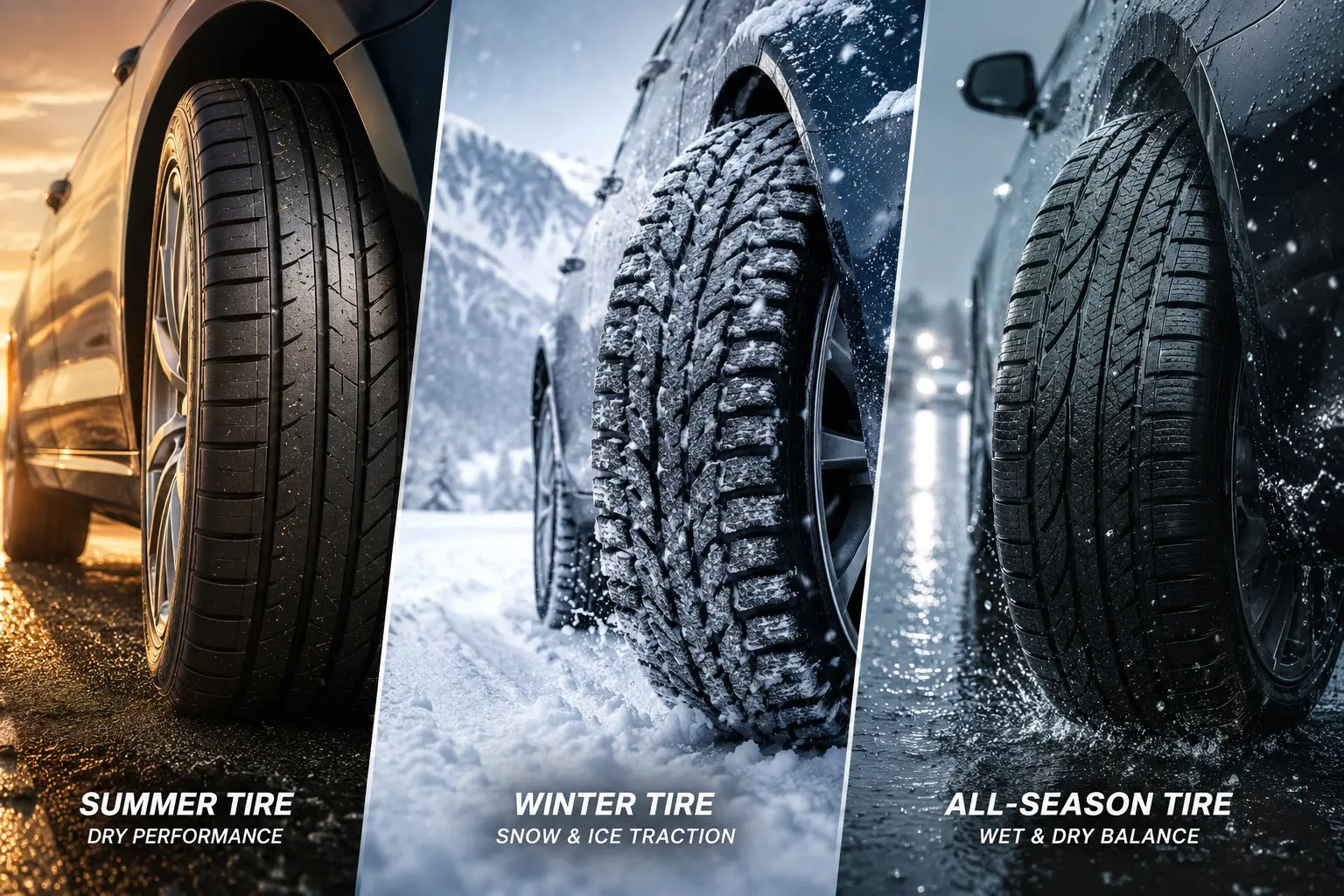
Summer Tire Compounds: Maximum Grip in Warm Weather
Summer tires use softer rubber compounds that remain flexible in hot temperatures. This flexibility allows the tire to create more contact with the road surface, delivering:
- Superior dry traction
- Faster cornering response
- Shorter braking distances
- Better high-speed stability
These compounds are optimized for temperatures above 7°C (45°F). However, in cold weather, summer tire rubber hardens quickly, reducing grip and increasing stopping distances.
Drivers looking for sporty handling and responsive steering often prefer performance summer tires because of their advanced rubber formulations.
Winter Tire Compounds: Flexibility in Cold Conditions
Winter tires are made with specialized rubber compounds that stay soft and flexible in freezing temperatures. This helps maintain traction on:
- Snow-covered roads
- Ice
- Slush
- Cold wet pavement
Most winter compounds contain a higher silica content, improving grip in low temperatures while helping the tire adapt to uneven winter surfaces.
Without the right winter compound, tires can become stiff in cold weather, significantly reducing control and braking performance.
All-Season Tire Compounds: Balanced Everyday Performance
All-season tires combine characteristics from both summer and winter compounds to provide versatility year-round.
Their rubber composition is engineered to deliver:
- Moderate winter traction
- Reliable wet performance
- Comfortable ride quality
- Longer tread life
While they may not outperform dedicated seasonal tires in extreme conditions, all-season compounds are ideal for drivers seeking convenience and balanced performance in varying climates.
How Rubber Compounds Affect Wet Grip
Wet-road performance depends heavily on how the rubber interacts with water and pavement.
Modern tire compounds often include silica technology to improve:
- Water evacuation
- Surface adhesion
- Hydroplaning resistance
- Wet braking distances
High-quality compounds maintain flexibility during rain, allowing the tire tread to conform to microscopic road imperfections for better grip.
This is one reason premium tires often outperform cheaper alternatives in wet conditions.
Fuel Efficiency and Rolling Resistance
Rubber compounds also influence rolling resistance — the energy required for tires to roll on the road.
Low rolling resistance compounds help:
- Improve fuel economy
- Reduce energy loss
- Lower EV battery consumption
- Minimize heat generation
This is especially important for electric vehicles and long-distance highway drivers seeking maximum efficiency.
Why Premium Tire Compounds Cost More
Advanced tire compounds require extensive research, testing, and specialized materials. Premium manufacturers invest heavily in technologies that improve:
- Safety
- Durability
- Noise reduction
- Wet and dry performance
- Temperature adaptability
Although budget tires may appear similar visually, the internal compound technology often creates major differences in real-world driving.
Final Thoughts
Tire rubber compounds are the foundation of tire performance. They influence how your vehicle accelerates, brakes, corners, and handles changing road conditions.
Understanding the differences between tire compounds can help drivers choose the right tire for their needs — whether prioritizing grip, longevity, comfort, or efficiency.
At the end of the day, the right compound doesn’t just improve performance — it improves confidence behind the wheel.