
The Science Behind a Quieter Ride: Understanding Tire Noise and Noise Reduction
Discover how tire noise is measured, what causes it, and the advanced technologies manufacturers use to create quieter, more comfortable driving experiences.
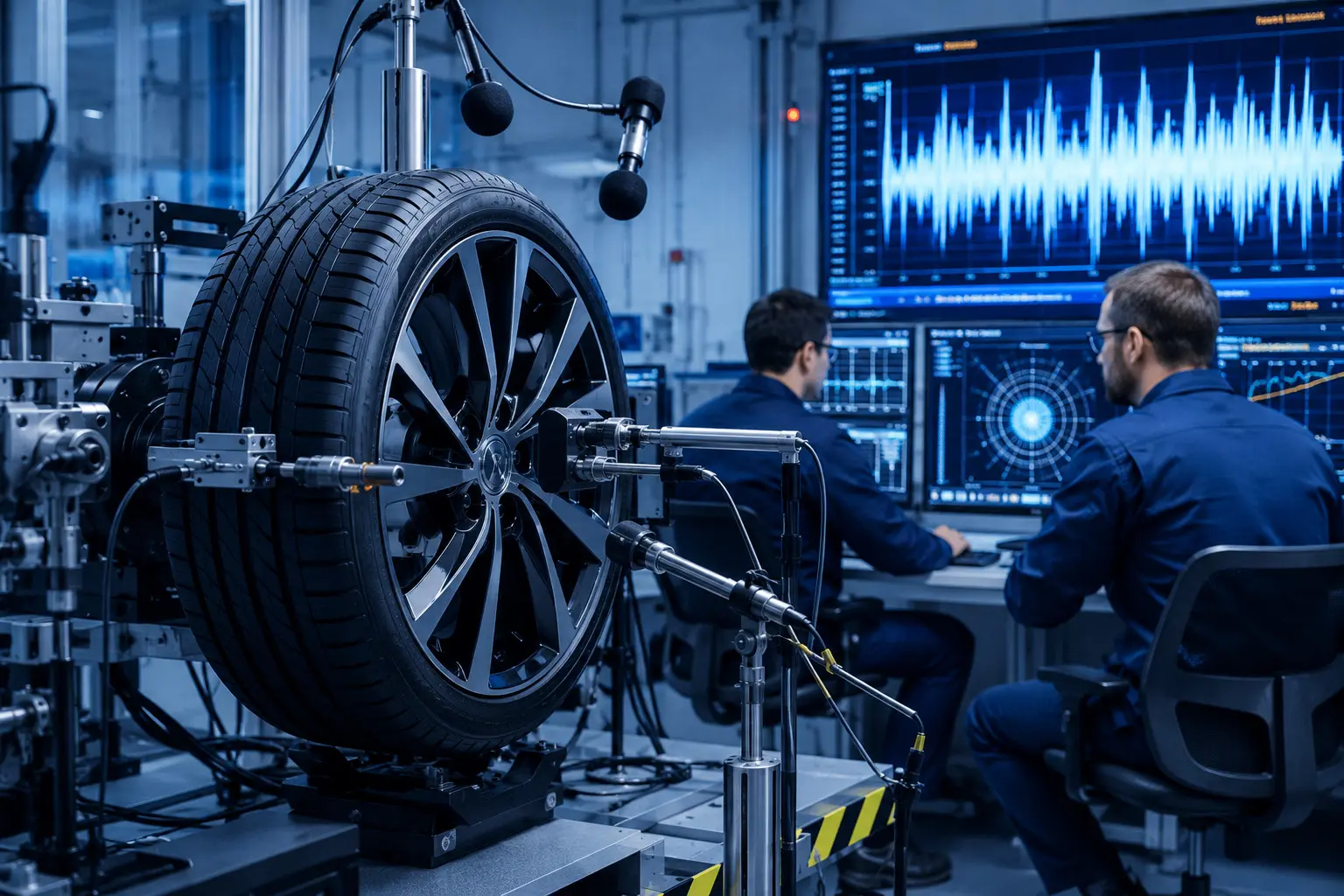
Tire noise is one of the most overlooked aspects of driving comfort. While most drivers focus on traction, durability, and fuel efficiency, the sound generated by tires can significantly impact the overall driving experience. Modern tire manufacturers invest heavily in research and development to measure, analyze, and reduce tire noise, helping drivers enjoy a smoother and quieter ride.
What Causes Tire Noise?
Tire noise is produced when the tire interacts with the road surface. Several factors contribute to the sound you hear while driving:
Tread Pattern Design
The shape, size, and arrangement of tread blocks affect how air moves through the tire’s grooves. As the tire rolls, trapped air is compressed and released, creating sound waves that contribute to road noise.
Road Surface Conditions
Rough asphalt, concrete highways, and worn pavement generate more noise than smoother road surfaces. Even the quietest tire can become noisy on coarse roads.
Tire Construction
The materials used in the tire’s casing, sidewalls, and tread compound influence vibration levels. Excessive vibrations can travel through the vehicle and amplify cabin noise.
Vehicle Speed
As speed increases, tire noise becomes more noticeable. Higher speeds generate greater air turbulence and increase tread impact frequency.
How Tire Noise Is Measured
Manufacturers use sophisticated testing methods to evaluate tire noise performance.
Exterior Noise Testing
Exterior noise tests measure the sound emitted by tires as a vehicle passes microphones positioned alongside a test track. These tests are commonly used to comply with government regulations and industry standards.
Noise levels are typically recorded in decibels (dB). A difference of just a few decibels can noticeably affect perceived loudness.
Interior Noise Testing
Interior testing focuses on the sound experienced by occupants inside the vehicle. Engineers use sensitive microphones placed throughout the cabin to measure:
- Road noise
- Vibration levels
- Frequency patterns
- Overall acoustic comfort
Frequency Analysis
Not all tire noise sounds the same. Engineers analyze specific sound frequencies to identify unpleasant tones and resonance. This allows manufacturers to target the most noticeable sources of noise.
Technologies Used to Reduce Tire Noise
Modern tire manufacturers employ several innovative solutions to create quieter tires.
Optimized Tread Patterns
Variable pitch tread designs use tread blocks of different sizes and spacing. This disrupts repetitive sound patterns and reduces the humming noise commonly heard at highway speeds.
Noise-Canceling Foam Technology
Many premium tires feature polyurethane foam attached to the inside of the tire. The foam absorbs air cavity resonance, reducing vibrations and lowering cabin noise.
Advanced Rubber Compounds
Modern tread compounds are engineered to minimize vibration while maintaining traction and durability. These compounds help absorb road impacts and reduce sound transmission.
Computer-Aided Design
Manufacturers use advanced simulations and acoustic modeling software to predict noise levels before physical prototypes are built. This accelerates development and improves noise reduction performance.
Improved Tire Construction
Enhanced belt designs and optimized sidewall structures reduce vibration and improve ride comfort, resulting in lower overall noise levels.
How Drivers Can Reduce Tire Noise
Drivers can also take steps to keep tire noise under control:
- Maintain proper tire inflation pressure.
- Rotate tires regularly.
- Replace worn tires before tread wear becomes excessive.
- Choose tires specifically designed for comfort and low noise.
- Ensure proper wheel alignment and balancing.
Choosing Low-Noise Tires
When shopping for new tires, look for products that emphasize:
- Quiet ride technology
- Touring tire designs
- Acoustic foam insulation
- Optimized tread patterns
- Low rolling noise ratings
Premium touring and grand touring tires are often engineered with noise reduction as a key design objective.
Final Thoughts
Tire noise is the result of complex interactions between tread design, road surfaces, vehicle dynamics, and tire construction. Through advanced testing methods and innovative technologies such as variable pitch tread patterns and acoustic foam insulation, manufacturers continue to make modern tires quieter than ever. By understanding how tire noise is measured and reduced, drivers can make more informed decisions when selecting tires that deliver both performance and comfort.
In stock & ready to ship
Find the tires you need, delivered from a warehouse near you