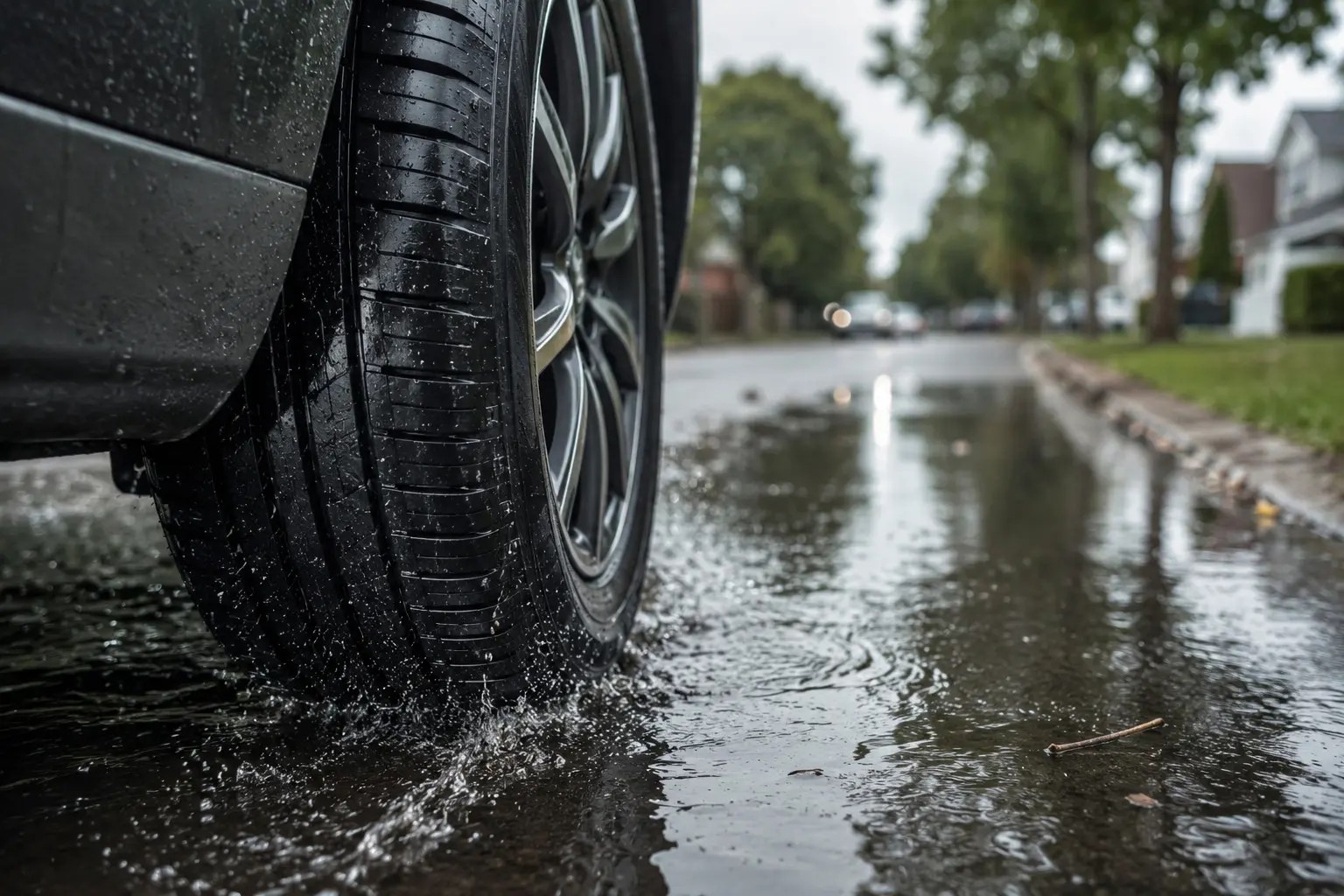
Driving on wet roads can quickly become dangerous when your tires lose contact with the pavement. This phenomenon, known as hydroplaning, occurs when water builds up between the tire and the road surface, causing the vehicle to glide uncontrollably. Fortunately, modern tire groove technology is specifically engineered to combat this risk.
What Is Hydroplaning?
Hydroplaning happens when a layer of water prevents your tires from gripping the road. When this occurs, steering, braking, and acceleration become significantly less effective. Even a thin layer of water can create hazardous driving conditions, especially at higher speeds.
The Science Behind Tire Grooves
Tire grooves are not just aesthetic design elements — they play a critical role in vehicle safety. The channels built into tire tread patterns are designed to:
- Disperse water efficiently
- Maintain road contact
- Improve traction in wet conditions
- Reduce stopping distance on rainy roads
As the tire rotates, grooves push water outward from beneath the tire footprint. This allows the rubber to maintain direct contact with the pavement instead of riding on top of the water.
Different Groove Designs and Their Benefits
Circumferential Grooves
These grooves run around the tire and help evacuate water quickly at highway speeds. They are especially effective during heavy rain.
Lateral Grooves
Positioned across the tread, lateral grooves move water sideways to improve cornering stability and wet braking performance.
Directional Tread Patterns
Many high-performance and all-season tires feature V-shaped directional patterns that maximize water evacuation and enhance wet grip.
Why Tread Depth Matters
Even the best groove design loses effectiveness as tires wear down. Shallow tread depth reduces the tire’s ability to channel water, increasing the risk of hydroplaning.
Experts recommend replacing tires before they reach the legal minimum tread depth, especially in regions with frequent rainfall. Regular tire inspections can help drivers maintain optimal safety and performance.
Tips to Reduce Hydroplaning Risk
- Maintain proper tire pressure
- Replace worn tires promptly
- Reduce speed during rainstorms
- Avoid sudden braking or sharp turns on wet roads
- Rotate tires regularly for even wear
Choosing the Right Tires for Wet Weather
Not all tires perform equally in rainy conditions. Premium all-season and performance tires often feature advanced groove technology designed specifically for wet-road safety. Drivers should look for tires with strong wet traction ratings and optimized tread patterns.
At Tire Warehouse, finding the right tire for your driving conditions is easier than ever. Whether you need all-season reliability or high-performance wet traction, choosing quality tires can make a major difference in safety and confidence on the road.