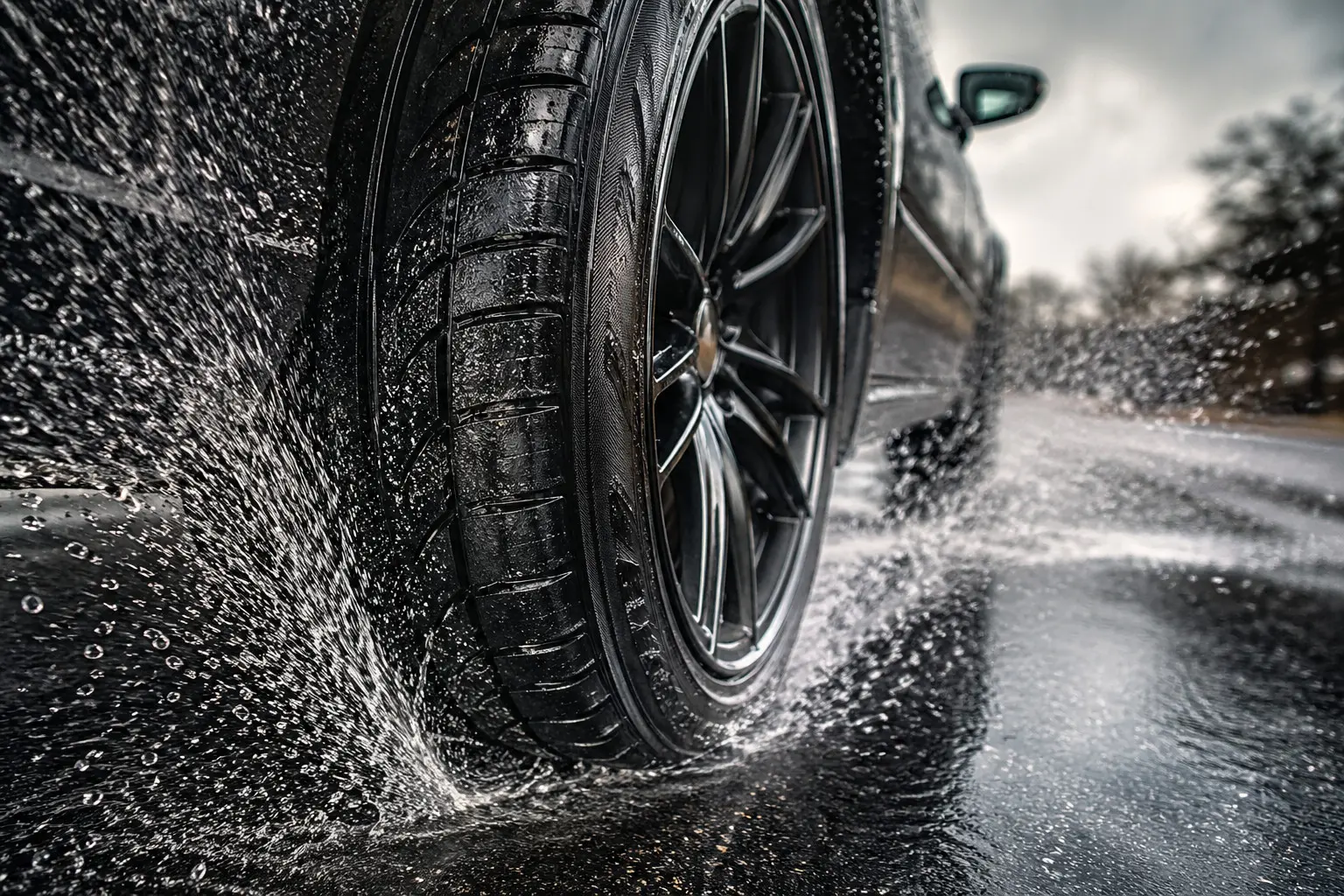
When it comes to road safety, most drivers think about advanced braking systems or ABS technology. But there’s another critical component that plays an equally important role: tire design. The way a tire is built can significantly affect braking distance, especially under different driving conditions like rain, heat, or uneven roads.
Tread Pattern: Your First Line of Contact
The tread pattern determines how effectively your tire grips the road. Deeper grooves and directional patterns help channel water away, improving traction and reducing the risk of hydroplaning.
- Aggressive tread designs: better performance in wet conditions
- Smoother patterns: increased surface contact in dry conditions
👉 Worn or poorly designed tread can dramatically increase stopping distance.
Rubber Compound: Grip vs Longevity
Not all tires are made from the same rubber compounds. Softer compounds provide better grip, which leads to shorter braking distances, but they wear out faster.
- Soft compounds: superior braking performance
- Hard compounds: longer lifespan, reduced grip
Choosing the right balance depends on your driving habits and environment.
Seasonal Design: Not One-Size-Fits-All
Different tires are engineered for specific climates:
- Winter tires: optimized for snow and ice braking
- Summer tires: best performance on dry and wet pavement
- All-season tires: a compromise between both
Using the wrong tire for the season can increase braking distance by up to 30%.
Tire Pressure & Internal Structure
Improper tire pressure reduces the contact patch with the road, affecting braking efficiency. Additionally, the internal construction (such as steel belts and layers) contributes to stability and control during braking.
Final Thoughts
Tire design is not just about aesthetics or brand preference—it’s a crucial safety factor. The right set of tires can be the difference between stopping in time or not.