
Wet Leaves and Slick Roads: How the Ultramax 4S Handles Fall’s Trickiest Conditions
Wet leaves, standing water, cooler pavement and sudden temperature swings can make autumn roads surprisingly demanding. Here’s how the Ultramax 4S fits into fall driving—and what Canadian drivers should know before conditions turn wintry.
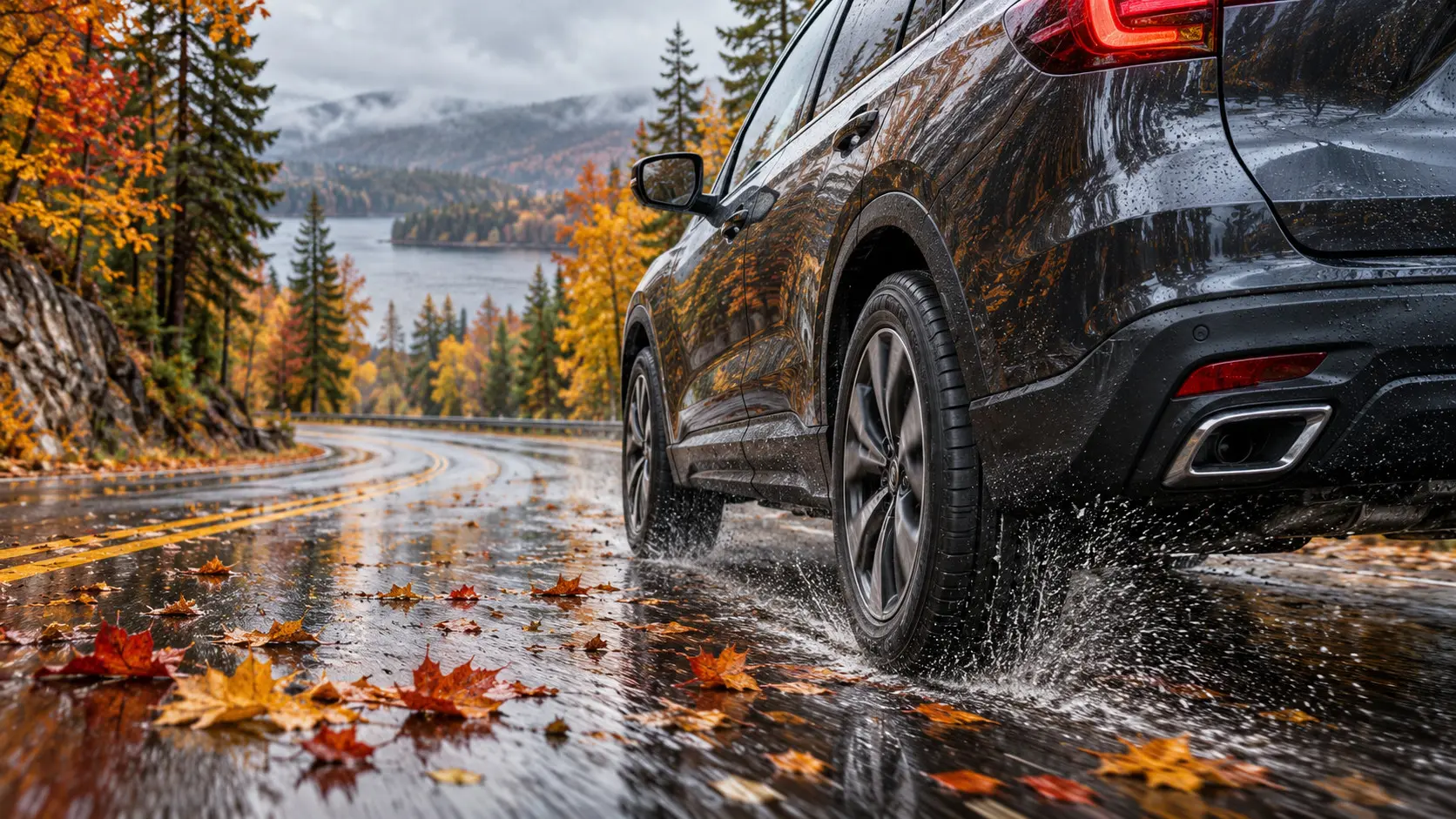
Wet Leaves and Slick Roads: How the Ultramax 4S Handles Fall’s Trickiest Conditions
Autumn driving in Canada can look harmless compared with a January snowstorm, but fall roads bring their own traction challenges. Rain-soaked pavement, fallen leaves, colder mornings and rapidly changing temperatures can all reduce the grip available between your tires and the road.
For drivers considering the Ultramax 4S, the important question is not simply whether a tire can handle rain. It is whether its tread, condition, inflation and overall design are appropriate for the mixture of wet, cool and increasingly unpredictable conditions Canadian drivers encounter between summer and winter.
This guide explains how the Ultramax 4S fits into fall driving, why wet leaves deserve more caution than many motorists give them, and what you can do to maintain traction as temperatures fall.
Why Are Wet Leaves So Slippery?
Wet leaves can significantly reduce available traction because they create a slick layer between the tire tread and the pavement. Instead of the tire contacting clean asphalt, it may be travelling across water, compressed organic material and a smooth road surface at the same time.
That combination can affect acceleration, steering and braking. A road covered with leaves may therefore require more caution than the same stretch of clean, wet pavement.
Leaves can hide other hazards
The problem is not limited to slipperiness. A thick layer of fallen leaves can conceal:
- Potholes and damaged pavement
- Standing water and deeper puddles
- Road markings
- Curbs and road edges
- Gravel and other loose debris
- Early-season frost or ice in shaded areas
Drivers should be especially cautious on tree-lined residential streets, rural roads and winding routes where leaves can accumulate faster than traffic clears them.
Expert tip: Treat a heavily leaf-covered road as a reduced-traction surface. Slow down before entering the affected area, leave additional following distance and make steering, braking and acceleration inputs progressively.
What Makes Fall Roads Challenging for Tires?
Fall combines several conditions that can reduce traction at once: water, debris, cooler pavement and rapidly changing temperatures. A clear afternoon does not necessarily mean the road behaved the same way that morning—or will behave the same way after sunset.
| Fall Condition | Potential Tire Challenge | Recommended Driver Response |
|---|---|---|
| Wet leaves | Reduced contact with clean pavement | Reduce speed and avoid abrupt inputs |
| Heavy rain | Greater hydroplaning risk | Slow down and increase following distance |
| Standing water | Tread must evacuate substantial water | Avoid deep water where possible |
| Cold mornings | Changing pavement and tire temperatures | Allow extra braking distance |
| Frost | Potentially very low traction | Reduce speed substantially and anticipate shaded areas |
| Falling temperatures | Tire pressure can decrease | Check cold inflation pressure regularly |
How Does the Ultramax 4S Fit Into Fall Driving?
The Ultramax 4S should be evaluated as part of the complete tire-and-vehicle system rather than treated as a guarantee of traction. In autumn conditions, useful tire characteristics include effective water evacuation, sufficient tread depth, predictable handling and a tread compound suited to the temperatures in which the tire is being used.
The tire’s actual performance on your vehicle will also depend on tread wear, inflation pressure, vehicle weight, speed, road surface and weather conditions.
Tread design matters in the rain
When pavement is covered with water, the tread must provide pathways for water to move away from the tire’s contact area. As tread becomes worn, its ability to manage deeper water can diminish.
That is why drivers assessing an Ultramax 4S—or any tire for fall use—should look beyond the tire’s name and inspect its current condition.
Tread depth matters as autumn gets wetter
A tire can remain on the vehicle while offering less wet-weather capability than it did when new. Remaining tread depth is therefore an important part of a fall tire inspection.
If the grooves are approaching the wear indicators, or if wear is uneven across the tread, have the tires inspected. Replacing worn tires before the wettest part of fall may be preferable to discovering their limitations during a heavy downpour.
Can the Ultramax 4S Prevent Hydroplaning?
No tire can eliminate hydroplaning under every condition. Hydroplaning occurs when a tire cannot displace water quickly enough to maintain effective contact with the road surface.
Risk is influenced by several variables, including:
- Vehicle speed
- Water depth
- Tread depth and tire condition
- Tire pressure
- Road surface and drainage
- Tire design and size
A tire with suitable wet-weather characteristics can help manage water, but the driver’s speed remains critical. Deeper standing water generally calls for a lower speed and greater following distance.
What should you do if the vehicle begins to hydroplane?
If steering suddenly feels unusually light or the vehicle appears to lose contact with the pavement, remain calm and avoid abrupt inputs. Ease off the accelerator progressively and keep steering movements smooth while the tires regain contact.
Avoid aggressive braking or sudden steering corrections unless necessary to avoid a collision.
Why Tire Pressure Deserves Extra Attention in Fall
Cooling autumn temperatures can reduce tire inflation pressure, making regular pressure checks particularly important. The correct pressure is determined by the vehicle manufacturer, not simply by the maximum pressure printed on the tire sidewall.
Look for the recommended cold inflation pressure on the vehicle’s tire information placard, commonly located around the driver’s door or door jamb, or consult the owner’s manual.
A useful fall pressure routine
- Check pressure when the tires are cold.
- Compare each reading with the vehicle manufacturer’s specification.
- Adjust pressure when necessary.
- Inspect the tread and sidewalls while checking pressure.
- Do not ignore a recurring pressure loss or TPMS warning.
A tire that repeatedly loses pressure should be inspected for a puncture, valve problem, wheel issue or another source of leakage.
Wet Leaves vs. Wet Pavement: What’s the Difference?
Wet leaves introduce an additional unstable layer between the tread and the road, making traction less predictable than on clean wet pavement. The surface can also change within metres as tires move from bare asphalt to leaves, standing water and back again.
| Surface | Main Concern | Driving Approach |
|---|---|---|
| Clean, dry pavement | Generally consistent traction | Normal attentive driving |
| Wet pavement | Reduced grip and possible hydroplaning | Reduce speed and increase following distance |
| Wet leaves | Unpredictable traction and hidden hazards | Slow down before the leaf-covered section |
| Standing water | Hydroplaning and hidden road damage | Avoid when possible and reduce speed |
| Frost or ice | Severely reduced traction | Use substantial caution and appropriate seasonal tires |
How Should You Drive on Leaf-Covered Roads?
The safest approach is to reduce speed before reaching the slippery area and keep every vehicle input smooth. Waiting until the tires are already on wet leaves before braking hard can demand more traction precisely when less is available.
Use these fall-driving habits
- Increase following distance: Leave more room to respond if traffic suddenly slows.
- Brake earlier: Progressive braking reduces the need for abrupt inputs.
- Reduce cornering speed: Slow before entering the turn rather than braking sharply in the middle of it.
- Avoid sudden acceleration: Apply power smoothly, particularly when exiting a corner.
- Watch shaded areas: Bridges, rural roads and shaded sections can remain colder and wetter.
- Look beyond the leaves: Assume thick leaf coverage could be hiding water, road damage or ice.
TireWarehouse tip: Tires can help provide traction, but they cannot override physics. Adjusting speed and following distance to the road surface remains essential regardless of the tire fitted to the vehicle.
Does Fall Mean It’s Time for Winter Tires?
For many Canadian drivers, fall is the time to start planning the transition to winter tires rather than waiting for the first major snowfall. Temperature and local driving conditions matter in addition to what is falling from the sky.
The commonly referenced 7°C guideline is useful because consistently cooler temperatures signal that winter-oriented tires are becoming more appropriate. Drivers should also consider overnight temperatures, morning commutes, elevation and local weather patterns.
All-season, all-weather and winter tires are not the same
These categories should not be treated as interchangeable. Conventional all-season tires are generally designed for a broad range of moderate conditions. All-weather tires are intended to cover a wider seasonal range and may carry the Three-Peak Mountain Snowflake (3PMSF) symbol when they meet the applicable snow-traction performance requirement. Dedicated winter tires are specifically designed for cold-weather use.
Check the markings on the actual Ultramax 4S tire being considered rather than assuming its certification or winter suitability from the model name alone.
What Should Canadian Drivers Know About Winter Tire Requirements?
Winter tire requirements vary across Canada, so drivers should check the rules that apply to their province and the routes they travel. This becomes especially important during autumn road trips that cross provincial boundaries.
Quebec has mandatory winter tire requirements for most registered passenger vehicles during the prescribed winter period, subject to exemptions. British Columbia also has seasonal requirements on designated routes, where approved winter tires and, in some circumstances, chains may be required.
Because dates, routes, vehicle categories and exemptions can matter, drivers should verify current requirements with the relevant provincial transportation authority before travelling.
Fall Tire Inspection Checklist for the Ultramax 4S
A five-minute inspection can reveal many of the problems that compromise wet-weather performance. Perform these checks periodically and before longer fall road trips.
- Check cold inflation pressure against the vehicle placard.
- Inspect tread depth at several points across each tire.
- Look for uneven shoulder or centre wear.
- Check for cuts, cracking, bulges or visible damage.
- Remove stones or debris lodged in tread grooves when safe to do so.
- Investigate vibration, pulling or unusual road noise.
- Check whether tire rotation is due.
- Have wheel alignment inspected if wear patterns or handling suggest a problem.
- Confirm the tire markings needed for your intended winter driving.
- Plan your winter tire change before sustained cold weather arrives if dedicated winter tires are part of your seasonal setup.
When Should You Replace a Tire Before Winter?
Do not evaluate replacement timing solely by whether a tire is technically still usable. A tire heading into months of rain, slush and snow needs enough remaining tread for the conditions you expect to encounter.
Consider professional inspection if you notice:
- Low or uneven tread depth
- Visible damage or sidewall bulges
- Repeated loss of inflation pressure
- Persistent vibration
- Unusual pulling or handling behaviour
- Cracking or signs of deterioration
If you are unsure whether your Ultramax 4S tires have enough remaining tread for another Canadian fall or winter season, measuring the tread and having the tires professionally inspected provides more useful information than judging them visually from a distance.
Is the Ultramax 4S a Good Choice for Canadian Fall Conditions?
The Ultramax 4S can be assessed for fall use based on its specific specifications, tread condition, markings and compatibility with your vehicle and climate. Drivers should avoid treating any tire model as a substitute for appropriate speed, adequate tread depth or seasonal preparation.
For wet fall roads in particular, focus on four practical factors: water evacuation, remaining tread depth, correct inflation pressure and predictable vehicle control.
If the tire will remain on the vehicle into winter, also verify its exact winter certification and compare that with provincial requirements and the conditions you regularly encounter.
Common Fall Tire Mistakes to Avoid
Many autumn tire problems are preventable with basic maintenance and earlier seasonal planning. Avoid these common mistakes:
- Waiting for snow before thinking about winter tires. Cold temperatures can arrive well before a major snowfall.
- Ignoring tire pressure. Seasonal temperature changes make fall an important time for pressure checks.
- Assuming AWD solves traction problems. All-wheel drive can help with acceleration, but braking and cornering still depend heavily on tire-road grip.
- Driving through standing water at normal speed. Water depth can be difficult to judge and may conceal road damage.
- Assuming tread is fine because the tire looks good. Measure tread depth rather than relying solely on appearance.
- Ignoring uneven wear. It can indicate inflation, alignment, suspension or rotation issues.
- Assuming a tire’s name confirms winter certification. Check the markings on the actual tire.
Final Recommendation: Prepare for the Surface, Not Just the Season
The Ultramax 4S should be considered alongside the actual conditions your vehicle will face, from September rain to freezing November mornings. Fall driving in Canada is unpredictable precisely because several road hazards can occur during the same trip.
Wet leaves deserve slower speeds and smoother inputs. Heavy rain makes tread depth and water evacuation increasingly important. Falling temperatures make tire-pressure monitoring more important. And once temperatures consistently approach winter conditions, drivers should make sure their tires are appropriate for what comes next.
The best fall strategy is simple: inspect your tires, maintain the correct cold inflation pressure, monitor tread wear, adapt your speed to the surface and make your winter tire decision before severe weather forces it.
Frequently Asked Questions About the Ultramax 4S and Fall Driving
Are wet leaves really dangerous to drive on?
Yes. Wet leaves can create a slippery layer between the tires and pavement while also concealing standing water, potholes and other hazards. Reduce speed before reaching heavy leaf coverage and avoid abrupt braking or steering.
Can tires hydroplane on a road covered with wet leaves?
Water can accumulate beneath and around leaves, so reduced traction and hydroplaning can both become concerns. Vehicle speed, water depth, tread condition and tire pressure all influence risk.
Does deeper tread help in fall rain?
Adequate tread depth helps the tire manage water through its grooves and channels. As tread wears, wet-weather capability can decline, particularly in deeper standing water.
How often should I check tire pressure during fall?
Check it regularly and whenever there is a significant temperature change, before longer trips, or when a TPMS warning appears. Measure pressure when the tires are cold and use the vehicle manufacturer’s recommended specification.
Should I use the pressure printed on the tire sidewall?
Use the vehicle manufacturer’s recommended cold inflation pressure for normal operation. It is typically listed on the tire information placard near the driver’s door or in the owner’s manual. The pressure shown on the tire sidewall serves a different purpose and should not automatically be used as the vehicle’s target pressure.
When should Canadians switch to winter tires?
Rather than waiting for the first major snowfall, consider the pattern of local temperatures and conditions. The commonly used 7°C guideline can help drivers decide when winter-oriented tires are becoming appropriate.
Does all-wheel drive make wet leaves less dangerous?
AWD can assist with distributing power during acceleration, but it does not create additional tire-road friction when braking or cornering. Tire condition, speed and available traction remain important.
What does the 3PMSF symbol mean?
The Three-Peak Mountain Snowflake symbol identifies a tire that has met a standardized performance requirement for acceleration traction in snow. Drivers should still select tires according to their vehicle, climate, provincial rules and expected driving conditions.
Is M+S the same as the 3PMSF symbol?
No. M+S and 3PMSF are different markings. Drivers choosing tires for Canadian winter conditions should understand which markings are present and what their province or travel route requires.
Can I drive the Ultramax 4S through winter?
That depends on the exact tire specifications and markings, the conditions where you drive, your vehicle and applicable provincial requirements. Verify the markings on the specific Ultramax 4S size you are considering rather than relying on the model name alone.
What should I check on my tires before a fall road trip?
Check cold inflation pressure, tread depth, uneven wear and visible damage. Also make sure your seasonal tire plan is appropriate if the trip could involve colder regions, higher elevations or routes subject to winter tire requirements.
What is the biggest mistake drivers make on slick fall roads?
Carrying too much speed into a low-traction area is one of the most important risks. Slowing down before wet leaves, standing water or a sharp corner gives the tires more opportunity to maintain predictable contact with the road.
Recommended Related Reading
In stock & ready to ship
Find the tires you need, delivered from a warehouse near you