
The Hidden Damage Winter Can Do to Your Tires
Extreme cold doesn’t just affect driving conditions—it can also weaken your tires over time. Learn how freezing temperatures impact rubber compounds, tire pressure, and structural durability, and discover how to protect your tires during harsh winter months.
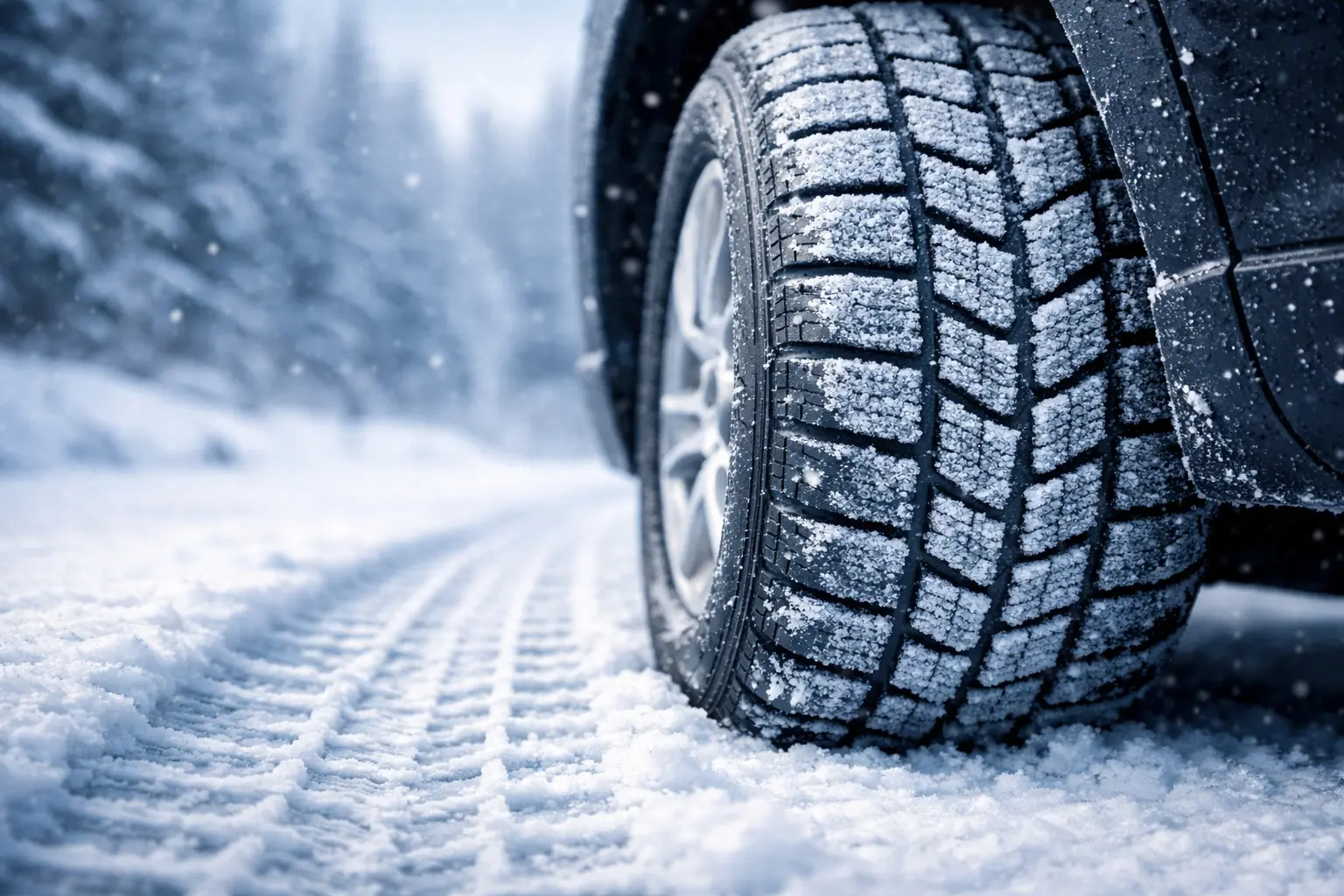
When winter arrives, most drivers think about snow, ice, and slippery roads. However, one of the most overlooked issues during the cold season is the long-term impact freezing temperatures can have on your tires.
Cold weather doesn’t just affect tire performance temporarily. Over time, extreme winter conditions can permanently change the rubber structure, reduce traction, and accelerate wear. Understanding these effects can help you extend tire lifespan and maintain safer driving conditions throughout winter.
1. Cold Temperatures Harden Tire Rubber
Tires are made from rubber compounds engineered to stay flexible and maintain traction. However, when temperatures drop significantly, the rubber begins to stiffen.
When this happens:
-
Tires lose flexibility
-
Road contact decreases
-
Braking distances increase
Repeated exposure to freezing temperatures can also accelerate rubber aging, meaning the tire may not fully recover its original elasticity even when warmer weather returns.
SEO Keywords: winter tire damage, cold weather tire effects, rubber hardening tires
2. Tire Pressure Drops in Cold Weather
Temperature changes have a direct effect on tire pressure. On average, tire pressure drops about 1 PSI for every 5–6°C decrease in temperature.
Driving with underinflated tires can lead to:
-
Uneven tread wear
-
Reduced fuel efficiency
-
Increased structural stress on the tire
If tires remain underinflated throughout the winter, the resulting wear can cause permanent damage and shorten their lifespan.
SEO Keywords: tire pressure cold weather, winter tire pressure drop, winter tire maintenance
3. Increased Risk of Cracks and Micro-Damage
Extremely low temperatures can also cause small cracks to develop in the rubber, especially in older tires.
These cracks may appear in areas such as:
-
The sidewalls
-
Tread blocks
-
Flex zones of the tire
Over time, these tiny cracks can expand and compromise the tire’s structural integrity, potentially leading to premature failure.
SEO Keywords: tire cracking cold weather, winter tire sidewall damage, tire aging winter
4. Stronger Impacts from Winter Roads
Cold weather affects not only tires but also road conditions.
Winter often brings hazards such as:
-
Potholes caused by freeze-thaw cycles
-
Hard ice edges
-
Uneven surfaces hidden beneath snow
When stiff tires hit these obstacles, the impact can cause internal tire damage or sidewall deformation that may not always be visible immediately.
SEO Keywords: pothole tire damage winter, winter road hazards tires
5. How to Protect Your Tires During Winter
Fortunately, there are several steps drivers can take to reduce the long-term effects of winter conditions.
1. Check Tire Pressure Frequently
Cold temperatures cause pressure to drop quickly, so check it at least every two weeks.
2. Use Winter Tires
Winter tires are designed with specialized rubber compounds that stay flexible in freezing temperatures.
3. Drive Carefully on Damaged Roads
Slowing down around potholes and icy patches helps prevent structural damage.
4. Inspect Tires After Winter
At the end of the season, check for cracks, uneven wear, or sidewall damage.
In stock & ready to ship
Find the tires you need, delivered from a warehouse near you