
Harvest and Rural Driving: Durable Summit Options for Mixed Road Conditions
From paved concessions to loose gravel, muddy field approaches and long highway runs, choosing the right Summit tire can help Canadian rural drivers balance durability, traction, load capability and everyday road manners.
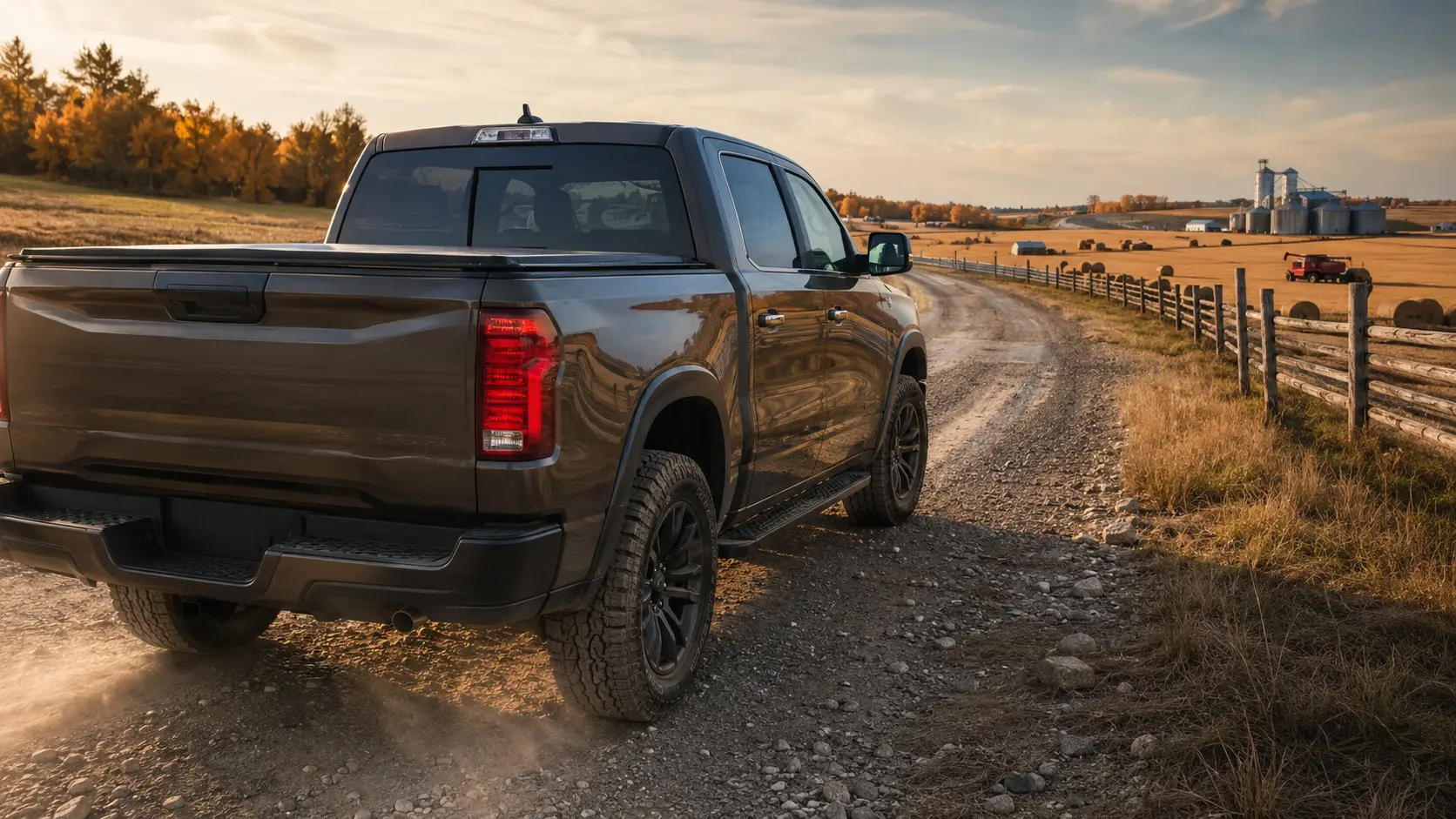
Harvest and Rural Driving: Durable Summit Options for Mixed Road Conditions
Harvest season can be demanding on a pickup truck or SUV. A single day may involve paved highways, gravel concessions, rough access roads, muddy approaches, potholes, washboard surfaces and repeated trips carrying tools, supplies or equipment. For rural Canadian drivers, the right tire needs to handle these changing conditions without sacrificing the stability and predictability required for everyday road travel.
That makes tire selection more complicated than simply choosing the most aggressive tread available. A farm truck that spends most of its kilometres on pavement has different requirements from a pickup regularly travelling through loose gravel and mud. Load capacity, tread design, tire pressure, sidewall construction and seasonal capability can all matter.
Within the Summit lineup, Trail Climber highway-terrain, all-terrain and rugged-terrain options give drivers different ways to balance on-road comfort with traction and durability. The best choice depends on where the vehicle actually spends its time, how heavily it is loaded and what conditions it is expected to encounter. Summit’s current lineup includes Trail Climber HT03, AT02 and RT products, among other passenger, SUV, light-truck and commercial-oriented tires.
Why Rural and Harvest Driving Is Hard on Tires
Rural driving exposes tires to a wider combination of surfaces, loads and hazards than ordinary paved-road commuting. Gravel, sharp stones, potholes, ruts, mud and repeated transitions between loose and paved surfaces can challenge tread durability and vehicle stability.
During harvest, those demands may increase. Pickups and utility vehicles can make more frequent trips, carry heavier cargo and travel roads that deteriorate after rain or repeated equipment traffic.
Common Rural Tire Challenges
- Loose gravel: reduces available grip compared with clean pavement and can make steering and braking feel less precise.
- Washboard roads: create repeated impacts and vibration that can expose existing tire, wheel, suspension or alignment problems.
- Potholes and broken pavement: can damage tires or wheels, particularly when impact speeds are high.
- Mud and soft shoulders: require tread that can find traction and clear loose material effectively.
- Sharp stones and debris: increase the importance of inspecting tread and sidewalls regularly.
- Changing loads: require drivers to pay close attention to vehicle and tire load limits.
- Cold autumn mornings: can reduce tire pressure as temperatures fall.
Expert tip: Do not choose a rural tire solely by how aggressive the tread looks. Start with the percentage of driving you actually do on pavement, gravel and rough terrain, then consider your vehicle’s required tire size, load capacity and seasonal needs.
Which Summit Tire Type Makes Sense for Mixed Rural Roads?
For many rural drivers, the choice comes down to highway-terrain, all-terrain or rugged-terrain tires. Each category shifts the balance between paved-road refinement and loose-surface capability.
| Summit Tire Type | Best Suited To | Key Strength | Trade-Off to Consider |
|---|---|---|---|
| Trail Climber H/T | Mostly pavement with maintained gravel roads | Road comfort, predictable highway use and lower emphasis on aggressive terrain | Less suitable when mud and rough off-road surfaces are frequent |
| Trail Climber A/T | Regular mix of pavement, gravel and unpaved roads | Balanced on-road and off-road versatility | More terrain-focused tread than many highway tires |
| Trail Climber R/T | Frequent rough roads, gravel, mud and demanding rural access | Greater emphasis on rugged-terrain traction | May be more tire than a primarily highway-driven vehicle requires |
The categories should be viewed as a spectrum rather than a ranking. An R/T tire is not automatically a better farm tire than an A/T or H/T. If a truck travels 90% of its kilometres on Highway 2 in Alberta or Highway 11 in Saskatchewan and only occasionally uses a maintained gravel road, a highway-oriented tire may be the more appropriate match. Conversely, frequent travel on rough concessions, muddy access roads and undeveloped surfaces may justify a more terrain-focused design.
Summit Trail Climber H/T: For Pavement and Maintained Rural Roads
A Summit Trail Climber highway-terrain tire is worth considering when most kilometres are on pavement but the vehicle regularly encounters maintained gravel and rural roads. This category prioritizes everyday road behaviour rather than maximum off-road traction.
That distinction matters for farmers, contractors and rural residents whose pickups may look like work vehicles but still accumulate most of their mileage travelling between towns, farms, elevators, dealerships and supply centres.
Summit’s highway-terrain Trail Climber products are designed around SUV and light-truck road use. For example, Summit describes its Trail Climber HT II as using a tread design intended to reduce road noise, shoulder biting edges for wet traction and handling, and shoulder tie bars for stability. The manufacturer also lists passenger and LT-designated sizes with different load specifications.
Consider an H/T Tire When:
- most of your kilometres are paved;
- your gravel roads are generally maintained;
- deep mud is uncommon;
- highway comfort matters;
- you regularly make longer paved-road trips; and
- you do not need an aggressive tread for repeated off-road work.
A highway-terrain option can be particularly sensible for rural SUVs and pickups used for commuting, farm administration, parts runs and general transportation rather than regular field access.
Summit Trail Climber A/T: A Balanced Choice for Mixed Roads
An all-terrain tire is often the logical middle ground when a truck regularly alternates between pavement, gravel and rougher unpaved roads. It offers a more terrain-oriented tread without moving all the way to a rugged-terrain design.
That balance closely matches the needs of many Canadian farm and rural vehicles. A pickup may travel 40 kilometres on pavement, turn onto a gravel concession and finish the trip on an unpaved approach. The tire has to cope with each surface without being optimized for only one of them.
The current Summit lineup includes the Trail Climber AT02, while Canadian listings describe available AT02 configurations as all-terrain products intended for both on-road and off-road use. Some listed AT02 sizes carry the Three-Peak Mountain Snowflake symbol, but drivers should verify the markings on the exact size and specification they intend to purchase rather than assuming every tire in a model family has identical certifications.
Consider an A/T Tire When:
- gravel makes up a meaningful portion of your weekly driving;
- you encounter loose surfaces and rough approaches;
- the truck still spends substantial time on pavement;
- occasional mud or unmaintained roads are part of the job; and
- you want a practical compromise between highway and rugged-terrain characteristics.
Expert tip: For a working pickup, match the tire to the hardest conditions you encounter regularly, not the most extreme condition you might encounter once a year.
Summit Trail Climber R/T: When Rural Roads Get Rougher
A rugged-terrain tire becomes more relevant when loose gravel, mud, rough access roads and challenging surfaces are routine rather than occasional. This category places greater emphasis on terrain capability while retaining the ability to travel on pavement.
Summit’s current Trail Climber R/T is offered in multiple SUV and light-truck fitments. Canadian listings show examples with M+S and Three-Peak Mountain Snowflake markings, including both standard-load and LT configurations depending on size. :contentReference[oaicite:3]{index=3}
For harvest use, an R/T may appeal to operators who routinely need to reach fields, construction sites, livestock areas or remote properties where road conditions can deteriorate quickly after rain.
Consider an R/T Tire When:
- rough gravel is a normal part of the workday;
- muddy approaches occur regularly;
- the vehicle frequently leaves maintained roads;
- terrain capability is a higher priority than maximum highway refinement; and
- the selected tire’s load and size specifications match the vehicle.
Aggressive tread alone does not make a vehicle immune to getting stuck. Mud depth, soil type, vehicle weight, four-wheel-drive capability, ground clearance and driver technique all affect mobility. Avoid treating any tire as a substitute for judgement about whether a road or field is safe to enter.
Load Rating Matters on Harvest Vehicles
The tire must have adequate load capacity for the vehicle and its intended use, regardless of tread pattern. Harvest vehicles may carry tools, fuel containers, parts, seed, feed, equipment or trailer tongue weight, making load specifications particularly important.
Check the vehicle manufacturer’s placard and owner’s manual before selecting a replacement tire. The correct size and required load capacity should guide the purchase.
Passenger-Type Versus LT Tires
Some truck tire models are available in both passenger-oriented and LT-designated configurations. LT stands for Light Truck, but that does not mean every pickup automatically needs an LT tire.
LT tires are built for light-truck applications and can be available with higher load capacities and different inflation requirements. Summit’s published Trail Climber HT II specifications, for example, include both standard/extra-load sizes and LT sizes with different maximum-load and pressure specifications.
The correct choice depends on the vehicle, its original specifications and how it is used. Never install a replacement with inadequate load capacity simply because the tread pattern or price is attractive.
Tire Pressure Deserves Extra Attention During Harvest
Correct cold tire pressure supports load capacity, handling, tread wear and tire durability. It becomes especially important when a vehicle moves between unloaded daily driving and heavier harvest-related work.
Use the vehicle manufacturer’s recommended cold inflation pressure as the starting point, found on the vehicle placard or in the owner’s manual. Do not simply inflate a tire to the maximum pressure moulded into its sidewall.
Why Autumn Temperatures Matter
Canadian harvest season can bring large temperature changes between warm afternoons and cold mornings. Tire pressure changes with temperature, so a tire that was checked during warmer weather may read lower after a significant seasonal temperature drop.
Check pressure when tires are cold and use an accurate gauge. Vehicles equipped with a tire pressure monitoring system (TPMS) still benefit from manual pressure checks because the system is a warning tool, not a replacement for routine maintenance.
Harvest-Season Pressure Checklist
- Check all four tires when cold.
- Check the spare tire if the vehicle carries one.
- Follow the vehicle manufacturer’s inflation guidance.
- Inspect valve stems and caps.
- Recheck pressures after major temperature changes.
- Confirm appropriate inflation and load requirements before carrying or towing unusually heavy loads.
Inspect Tread and Sidewalls More Often on Gravel
Vehicles that spend significant time on gravel and rough roads should receive frequent visual tire inspections. Small problems are easier to address before they become roadside failures.
Walk around the vehicle before demanding trips and look for cuts, cracking, bulges, embedded objects, unusual tread wear and visible damage. If a tire has suffered a severe pothole or rock impact, have it professionally inspected if there is any concern about damage.
Watch for Uneven Tread Wear
Rough roads can also reveal alignment, suspension and inflation problems. Feathering, excessive shoulder wear or one tire wearing noticeably faster than the others deserves attention.
Wheel alignment does not prevent every form of wear, but correct alignment helps the tires maintain the intended contact with the road. Tire rotation at appropriate intervals can also help promote more even wear, subject to the vehicle and tire manufacturer’s recommendations.
Gravel Driving Requires Different Habits
Good tires help, but driving technique remains critical on loose rural surfaces. Gravel provides different traction than dry pavement, and stopping or turning abruptly can cause a vehicle to lose grip.
- Reduce speed before entering loose or rough sections.
- Increase following distance.
- Use smooth steering, braking and acceleration inputs.
- Slow down for potholes, washouts and cattle guards.
- Avoid sudden direction changes on loose gravel.
- Be cautious near soft shoulders and road edges.
- Allow extra space around farm machinery and oversized equipment.
- After severe impacts, inspect tires and wheels for damage.
Dust can also dramatically reduce visibility during dry harvest conditions. Leave additional space behind combines, grain trucks and other vehicles generating dust, and avoid overtaking unless visibility and road conditions make it safe and legal.
What About Mud and Field Approaches?
For frequent mud, tread design becomes increasingly important, but no tire can guarantee traction in every field condition. A/T and R/T designs generally make more sense than highway-oriented tires when loose and muddy surfaces are a routine part of vehicle use.
Before entering a wet field or soft approach, consider the vehicle’s weight and the consequences of becoming stuck. A heavily loaded pickup can sink rapidly into saturated soil.
Avoid improvising extreme tire-pressure reductions for field travel unless the vehicle, tire and application have an approved procedure. Driving at pressures inappropriate for the load can generate excess heat, alter handling and potentially damage the tire.
Are All-Terrain Tires Enough for a Canadian Winter?
An all-terrain tread pattern by itself does not establish a tire’s winter capability. Canadian drivers should check the actual sidewall markings and understand the difference between M+S and the Three-Peak Mountain Snowflake (3PMSF) symbol.
The 3PMSF marking identifies a tire that has met a defined snow-traction performance requirement. Some current Summit Trail Climber AT02 and R/T fitments are marketed with 3PMSF certification. Always verify the exact tire and size being purchased.
Even a 3PMSF-marked all-weather or terrain-oriented tire is not automatically equivalent to a dedicated winter tire in every winter condition. Ice, severe cold, deep snow and repeated winter highway travel can favour a purpose-built winter tire.
Drivers should also check provincial and route-specific winter tire requirements before travelling. Requirements can vary across Canada, and markings that are acceptable for one application or route should not be assumed to satisfy every situation.
How to Choose the Right Summit Option for Your Rural Vehicle
Choose according to your normal surface mix, vehicle specifications, load requirements and seasonal conditions. A simple assessment of how the truck actually works can narrow the options quickly.
| Your Typical Driving | Starting Point to Consider |
|---|---|
| Mostly paved highway, occasional maintained gravel | Trail Climber H/T |
| Pavement plus regular gravel and rough rural roads | Trail Climber A/T |
| Frequent rough gravel, mud and demanding access roads | Trail Climber R/T |
| Heavy loads or demanding light-truck work | Check appropriate LT fitments and load specifications |
| Regular severe winter driving | Evaluate 3PMSF options and dedicated winter tires based on conditions and applicable requirements |
Ask These Questions Before Buying
- What percentage of my driving is paved?
- How much time do I spend on gravel?
- Do I regularly encounter mud or unmaintained roads?
- What tire size does my vehicle manufacturer specify?
- What load capacity do I need?
- Do I tow trailers or carry substantial cargo?
- Will these tires remain on the vehicle through winter?
- Do I regularly drive long distances at highway speeds?
- How important are road noise and ride comfort?
- Does the exact tire size carry the markings I need?
Harvest-Season Tire Checklist
A short inspection before the busiest weeks of harvest can reduce the chance of tire problems interrupting an already demanding schedule. Check the complete tire and wheel system rather than focusing only on tread depth.
- Pressure: Measure all tires cold and follow vehicle specifications.
- Tread: Inspect tread depth and look for irregular wear.
- Sidewalls: Check for cuts, cracking, bulges and impact damage.
- Embedded debris: Look for nails, screws, sharp stones and other objects.
- Alignment: Investigate unusual wear or a vehicle that does not track normally.
- Rotation: Confirm whether rotation is due under the recommended maintenance schedule.
- Load capacity: Verify tires are appropriate for anticipated cargo and towing requirements.
- Spare: Inspect its pressure and condition.
- Repair equipment: Make sure the jack and wheel-removal tools are present and usable.
- Winter planning: Prepare for the seasonal tire transition before temperatures and road conditions deteriorate.
Final Recommendation: Match Durability to the Roads You Actually Drive
The best Summit tire for harvest and rural driving is the one that matches the vehicle’s real workload rather than simply having the most aggressive tread. For predominantly paved travel with maintained gravel, a Trail Climber highway-terrain option may provide the right balance. When pavement and gravel are both routine, the Trail Climber A/T category offers a versatile middle ground. Drivers regularly dealing with rough access roads, loose surfaces and mud may have stronger reasons to consider the Trail Climber R/T.
Regardless of tread type, correct sizing, adequate load capacity, proper cold inflation pressure and regular inspection remain essential. Farm and rural vehicles work in conditions where small tire problems can become major interruptions, especially during harvest.
Before ordering, confirm the exact Summit model, size, load index, speed rating and seasonal markings against your vehicle requirements. Tire specifications can vary by size within the same model family, so selection should always be based on the specific tire being installed rather than the model name alone.
Frequently Asked Questions About Summit Tires for Rural Driving
Are Summit all-terrain tires good for gravel roads?
A Summit all-terrain option can be a sensible choice for vehicles that regularly travel on both pavement and gravel. The Trail Climber A/T category is designed to balance on-road use with more terrain-oriented traction. Suitability still depends on the exact tire size, vehicle and road conditions.
Should a farm truck use H/T, A/T or R/T tires?
Choose based on the truck’s normal driving. H/T tires generally make more sense for predominantly paved use, A/T tires for a regular pavement-and-gravel mix, and R/T tires when rough surfaces and mud are frequent.
Do I need LT tires on a pickup truck?
Not automatically. The correct tire depends on the pickup’s specifications, loads and intended use. Check the manufacturer’s tire placard and owner’s manual and make sure the replacement tire provides the required load capacity.
Are more aggressive tires always better on a farm truck?
No. Aggressive tread can be useful in demanding terrain, but a truck that spends most of its kilometres on pavement may benefit more from a less terrain-focused design. Match the tire to regular operating conditions.
Can Summit Trail Climber tires be used in winter?
It depends on the exact model and size. Some Summit Trail Climber AT02 and R/T configurations are sold with the Three-Peak Mountain Snowflake marking. Verify the sidewall markings of the exact tire and check the winter requirements that apply where you drive. :contentReference[oaicite:6]{index=6}
What does 3PMSF mean on a tire?
3PMSF stands for Three-Peak Mountain Snowflake. The symbol indicates that the tire has met a defined snow-traction performance requirement. It should not be interpreted as a guarantee of identical performance to a dedicated winter tire in every cold-weather condition.
How often should I check tire pressure during harvest?
Check it regularly and before demanding trips, especially when temperatures change substantially or the vehicle’s workload increases. Pressure should generally be checked when tires are cold and adjusted according to the vehicle manufacturer’s guidance.
Does gravel wear tires faster?
Gravel and rough surfaces can increase tread stress and expose tires to impacts, sharp stones and other hazards. Actual wear depends on road condition, speed, tire construction, inflation pressure, alignment, load and driving behaviour.
What tire problems should I look for after driving rough roads?
Inspect for cuts, bulges, embedded objects, damaged tread, unusual wear and visible wheel damage. A significant pothole or rock impact can justify a professional inspection even when a tire remains inflated.
Can I use the maximum sidewall pressure for a heavy harvest load?
Do not use the sidewall maximum as a general inflation recommendation. Follow the vehicle manufacturer’s guidance and ensure the tire’s load and inflation requirements are appropriate for the application. For unusual loads or towing situations, consult the relevant vehicle and tire specifications.
Is an R/T tire necessary for occasional muddy roads?
Not necessarily. If mud is occasional and most driving is on pavement or maintained gravel, an A/T tire may provide a better overall balance. R/T tires become more relevant as rough terrain and mud form a regular part of the vehicle’s work.
What should I check before towing during harvest?
Confirm tire condition, cold inflation pressure, vehicle and tire load limits, trailer requirements and anticipated tongue weight. The tow vehicle and trailer tires both deserve inspection before heavily loaded trips.
Recommended Related Reading
- All-Terrain vs. All-Season Tires: Choosing the Right Tire for Canadian Roads
- How to Check Tire Pressure and Why Cold Inflation Pressure Matters
- Tire Load Index Explained for Pickups, SUVs and Working Vehicles
- All-Weather vs. Winter Tires for Canadian Driving
- How to Read a Tire Size, Load Index and Speed Rating
In stock & ready to ship
Find the tires you need, delivered from a warehouse near you