
First Snowfall Countdown: Checklist for Driving Safely in Unexpected Blizzards
The first snowfall can turn familiar Canadian roads into dangerous driving conditions within minutes. From sudden whiteouts and black ice to unexpected blizzards, preparation makes all the difference. Discover the essential winter driving checklist, tire safety recommendations, emergency supplies, and expert tips to help you stay prepared before, during, and after the season's first major snowstorm.
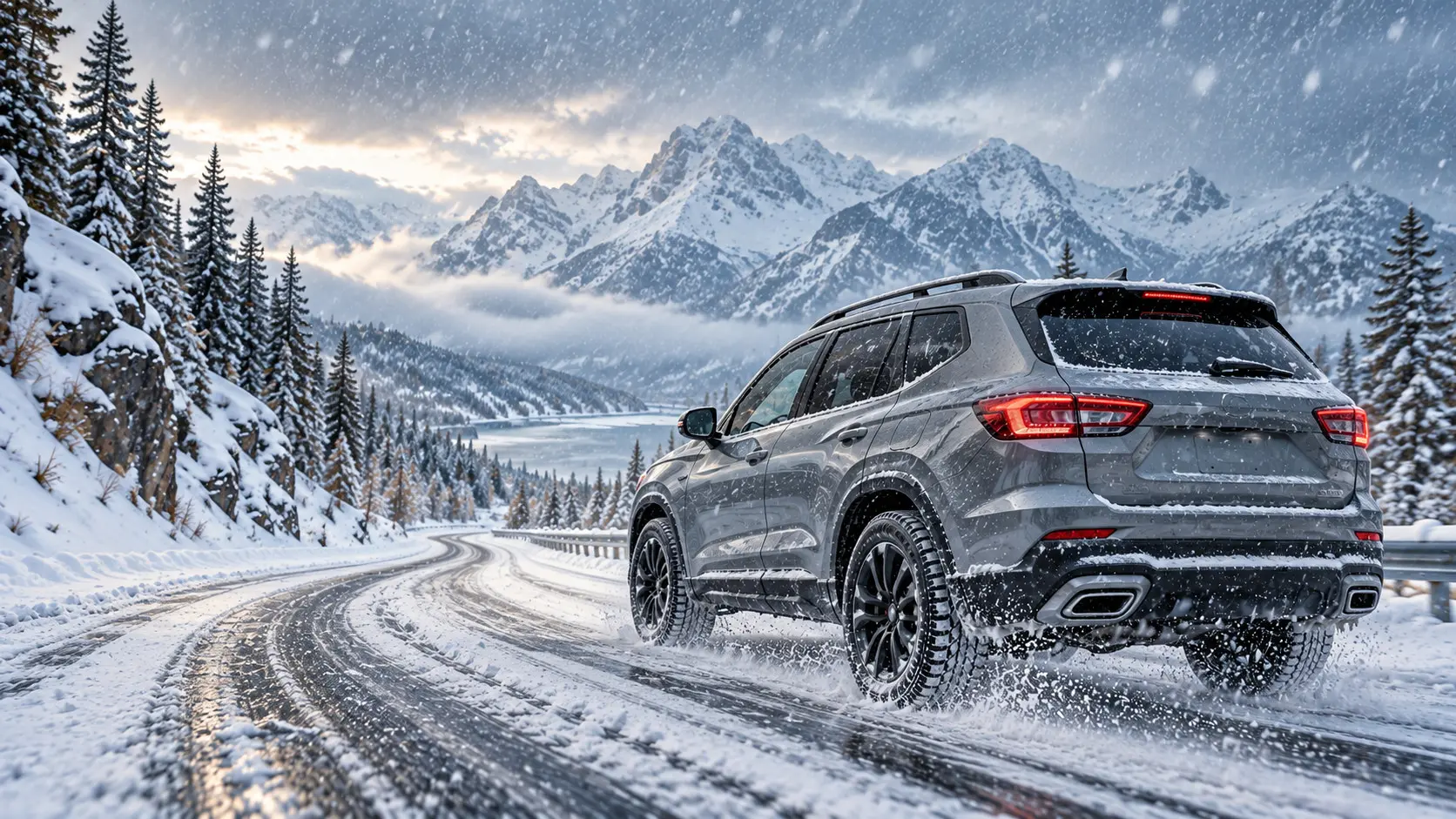
First Snowfall Countdown: The Ultimate Checklist for Driving Safely in Unexpected Blizzards
The first snowfall of the season often catches Canadian drivers off guard. One morning, the roads are clear and dry. A few hours later, falling temperatures, blowing snow, and slippery pavement can transform an ordinary commute into a challenging winter driving experience.
Across Canada, from Ontario’s busy highways to Alberta’s open roads and British Columbia’s mountain passes, unexpected blizzards can create hazardous driving conditions with little warning.
Even experienced drivers can struggle when visibility drops, traction disappears, or black ice forms beneath a thin layer of snow.
The key to safer winter driving is preparation before the first snowflake falls. Checking your winter tires, monitoring weather forecasts, preparing an emergency kit, and adjusting your driving habits can significantly reduce avoidable risks.
This comprehensive first snowfall checklist explains how to prepare your vehicle for winter, what to do when a blizzard develops unexpectedly, and how to respond if you become stranded during a severe snowstorm.
Why Is the First Snowfall So Dangerous for Canadian Drivers?
The first snowfall can be particularly hazardous because drivers and vehicles may not yet be prepared for winter conditions. Reduced traction, sudden temperature changes, and unfamiliar winter road surfaces increase the likelihood of losing control.
Several factors make early-season snowstorms especially challenging.
1. Drivers Have Not Adjusted to Winter Conditions
After months of driving on dry pavement, many motorists continue using summer driving habits when the first snow arrives.
Following too closely, braking suddenly, or entering corners too quickly can become dangerous when roads are covered in snow or ice.
Winter driving requires smoother steering, gradual acceleration, increased following distances, and more time to stop.
2. Roads Can Become Slippery Before Snow Accumulates
Snow does not need to accumulate significantly before road conditions become hazardous.
When pavement temperatures fall below freezing, moisture can form a nearly invisible layer of ice known as black ice.
Black ice commonly develops on:
- Bridges and overpasses.
- Shaded sections of highways.
- Rural roads with limited sunlight.
- Intersections where vehicles repeatedly brake.
- Roadways near rivers, lakes, and other moisture sources.
Because black ice can resemble wet pavement, drivers may not recognize the danger until their tires begin losing traction.
3. Many Vehicles Still Have All-Season Tires
One of the biggest first-snowfall mistakes is waiting until snow appears before installing winter tires.
Traditional all-season tires are designed for a broad range of conditions, but their rubber compounds and tread designs may provide less grip in severe winter weather than dedicated winter tires.
As temperatures consistently approach or fall below 7°C, winter tires generally become the more suitable choice for Canadian winter conditions.
Waiting for the first major snowstorm can also mean facing busy tire installation schedules and limited appointment availability.
TireWarehouse Expert Tip: Schedule your seasonal tire change before the first forecasted snowfall. Installing winter tires early helps ensure your vehicle is ready when temperatures drop unexpectedly.
First Snowfall Countdown: Your Essential Winter Driving Checklist
A reliable winter driving checklist should cover tire condition, vehicle maintenance, visibility, emergency supplies, and weather awareness. Completing these checks before the first storm reduces the chances of being caught unprepared.
Before the First Snowfall: Quick Vehicle Safety Checklist
- ☐ Install suitable winter tires on all four wheels.
- ☐ Inspect tire tread depth and overall condition.
- ☐ Check tire pressure when tires are cold.
- ☐ Test your vehicle’s battery.
- ☐ Check engine coolant and antifreeze protection.
- ☐ Refill winter-rated windshield washer fluid.
- ☐ Inspect windshield wipers and replace worn blades.
- ☐ Confirm headlights, brake lights, and turn signals work.
- ☐ Check the heating and windshield defrosting systems.
- ☐ Prepare a winter roadside emergency kit.
- ☐ Review local weather forecasts and road conditions.
- ☐ Plan alternative routes and allow extra travel time.
These preventive steps are especially important for drivers who regularly travel on rural highways, mountain roads, or routes where winter maintenance services may take longer to arrive.
Winter Tires: Your First Line of Defence Against Snow and Ice
Winter tires are one of the most important vehicle preparations for Canadian snowstorms. Their specialized rubber compounds and tread patterns are engineered to improve traction, braking, and handling in cold weather.
However, winter tires do not eliminate the risk of skidding or guarantee safe stopping distances. Driving speed, road conditions, vehicle weight, and driver behaviour remain critical.
Why Winter Tires Perform Better in Cold Weather
Dedicated winter tires use rubber compounds designed to remain more flexible in low temperatures.
This flexibility helps the tire maintain contact with cold pavement, snow, and ice.
Winter tire tread patterns also incorporate features such as:
- Deep tread grooves: Help channel snow, water, and slush away from the contact patch.
- Multiple biting edges: Improve grip on snow-covered surfaces.
- Sipes: Small tread cuts that help improve traction on slippery roads.
- Cold-weather rubber compounds: Support more consistent grip as temperatures fall.
Winter Tires vs. All-Weather vs. All-Season Tires
Not all tire categories offer the same winter performance. Understanding the differences can help Canadian drivers choose appropriate tires for their climate and driving habits.
| Tire Type | Cold Weather Performance | Snow and Ice Capability | Best Application |
|---|---|---|---|
| Winter Tires | Designed for freezing temperatures | Strong winter traction, depending on model and conditions | Regions with frequent snow, ice, and prolonged winter weather |
| All-Weather Tires | Designed for year-round use, including winter | Winter capability varies by tire model | Drivers seeking one tire set for moderate winter conditions |
| All-Season Tires | Generally less specialized for severe cold | Limited performance in demanding snow and ice conditions | Mild climates and predominantly clear roads |
| Summer Tires | Not designed for freezing temperatures | Unsuitable for snow and ice | Warm-weather driving |
For regions experiencing prolonged freezing temperatures, heavy snowfall, or frequent icy roads, dedicated winter tires are generally the strongest seasonal choice.
All-weather tires carrying the Three-Peak Mountain Snowflake symbol can be a practical alternative for some Canadian drivers, although they may not match specialized winter tires in demanding winter conditions.
Look for the Three-Peak Mountain Snowflake Symbol
When shopping for winter-capable tires, look for the Three-Peak Mountain Snowflake (3PMSF) symbol on the tire sidewall.
This marking indicates that the tire meets a recognized minimum snow-traction performance requirement.
The 3PMSF symbol is different from the M+S (Mud and Snow) marking, which does not, by itself, demonstrate that a tire has passed the same standardized snow-traction test.
Transport Canada recommends using appropriate winter tires to improve vehicle traction during winter driving.
For additional tire safety information, consult Transport Canada’s road transportation resources.
Should You Install Two or Four Winter Tires?
Always install a matched set of four winter tires.
Using winter tires on only the front or rear axle can create an imbalance in traction and handling.
For example, installing winter tires only on the front wheels may leave the rear wheels with significantly less grip, increasing the risk of oversteer.
A complete set of four suitable winter tires helps provide more balanced braking, steering, and cornering performance.
How to Check Your Tires Before the First Snowstorm
Even high-quality winter tires can perform poorly when they are underinflated, damaged, or excessively worn. A basic tire inspection should be part of every pre-winter maintenance routine.
1. Measure Winter Tire Tread Depth
Tread depth affects a tire’s ability to manage snow, slush, and water.
As tread wears down, the tire generally becomes less effective at maintaining traction in challenging winter conditions.
Although minimum legal tread-depth requirements vary by jurisdiction, many tire specialists recommend considering winter tire replacement when tread depth approaches 4 mm.
This is a practical winter-performance guideline rather than a universal legal minimum.
Use a tread-depth gauge to check several points across each tire.
Uneven wear may indicate problems with wheel alignment, suspension components, or tire inflation.
2. Check Tire Pressure in Cold Weather
Tire pressure decreases as temperatures fall.
As a general approximation, tire pressure may change by around 1 psi for every 5–6°C temperature change, although actual changes depend on several factors.
Underinflated tires can negatively affect handling, tire wear, and fuel efficiency.
To check tire pressure correctly:
- Park the vehicle and allow the tires to cool.
- Find the manufacturer’s recommended cold tire pressure on the driver’s door placard or in the owner’s manual.
- Use an accurate tire pressure gauge.
- Adjust pressure to the vehicle manufacturer’s recommendation.
- Check the spare tire if your vehicle carries one.
Do not use the maximum pressure printed on the tire sidewall as your normal inflation target.
3. Inspect Tire Sidewalls and Tread
Look for visible damage, including:
- Cracks in the rubber.
- Bulges or bubbles on the sidewall.
- Embedded nails or other objects.
- Uneven tread wear.
- Exposed cords or significant cuts.
If you notice structural damage, have the tire inspected by a qualified tire professional before driving.
4. Check Tire Age and Storage Condition
Rubber compounds change over time, even when tires have substantial tread remaining.
Inspect the DOT tire identification code to determine the manufacturing date. The final four digits of the date code identify the production week and year.
For example, a code ending in 3523 indicates the tire was manufactured during the 35th week of 2023.
Tire age alone does not determine whether a tire is safe, but older tires should be evaluated carefully according to manufacturer recommendations and their condition.
TireWarehouse Expert Tip: Check your winter tire tread depth, inflation pressure, and sidewall condition before installation. A tire that looks acceptable at a glance may still have wear or damage that affects winter performance.
What Should Be in a Canadian Winter Car Emergency Kit?
A winter emergency kit should contain supplies that help you stay warm, visible, hydrated, and able to request assistance if your vehicle becomes stranded.
Unexpected blizzards can close highways, delay emergency services, and leave drivers waiting for roadside assistance.
A properly stocked kit is particularly important when travelling through remote areas of Canada.
Essential Winter Emergency Kit Checklist
| Emergency Item | Why You Need It |
|---|---|
| Warm blankets or sleeping bags | Help retain body heat if the vehicle becomes immobilized. |
| Extra winter clothing | Provides additional insulation if clothing becomes wet. |
| Flashlight and spare batteries | Improves visibility during nighttime emergencies. |
| Portable phone charger | Helps maintain communication when the vehicle is not running. |
| Snow shovel | Helps clear snow around tires and the exhaust pipe. |
| Ice scraper and snow brush | Removes snow and ice from windows and exterior surfaces. |
| Traction aids | May help free a vehicle from shallow snow when used safely. |
| Reflective warning triangles | Help make a stopped vehicle more visible when placement is safe. |
| First-aid kit | Provides basic supplies for minor injuries. |
| Non-perishable food | Provides energy during extended delays. |
| Drinking water | Helps prevent dehydration while waiting for assistance. |
| Jumper cables or portable jump starter | May help with a discharged battery. |
| High-visibility vest | Improves visibility if leaving the vehicle is necessary and safe. |
| Whistle | Provides another way to attract attention. |
Additional Supplies for Remote Canadian Highways
If you frequently travel through northern communities, mountain passes, or remote rural highways, consider carrying additional supplies.
- Extra insulated gloves and winter boots.
- Additional drinking water and food.
- A paper road map.
- A satellite communication device for areas without cellular coverage.
- Vehicle-specific recovery equipment.
- Necessary prescription medication.
- A small supply of essential personal hygiene items.
Keep emergency supplies accessible rather than buried beneath luggage.
Inspect the kit at the beginning of each winter season and replace expired or damaged items.
What to Do Before Driving When a Blizzard Is Forecast
Before travelling during a winter storm warning, evaluate whether the trip is necessary. Postponing non-essential travel is often the safest decision when severe snowfall, strong winds, or whiteout conditions are expected.
Check Weather Alerts and Highway Conditions
Review forecasts from Environment and Climate Change Canada before leaving.
Pay particular attention to:
- Snowfall warnings.
- Blizzard warnings.
- Winter storm warnings.
- Freezing rain warnings.
- Wind warnings.
- Reduced visibility advisories.
- Extreme cold warnings.
Also check provincial highway information services for road closures, collisions, and winter maintenance updates.
Examples include Ontario 511, Alberta 511, DriveBC, and Québec 511.
Plan Your Route Carefully
Choose major roads that are more likely to receive regular winter maintenance when conditions allow.
Avoid unnecessary travel on isolated roads during severe storms.
Before departure:
- Check the forecast for your entire route, not just your starting location.
- Confirm that highways and mountain passes are open.
- Tell someone your destination and expected arrival time.
- Charge your phone fully.
- Ensure you have enough fuel or battery charge for delays.
- Identify safe stopping locations along the route.
Remove Snow and Ice From the Entire Vehicle
Before driving, clear accumulated snow and ice from:
- The windshield and all windows.
- The roof.
- The hood and trunk.
- Headlights and taillights.
- Exterior mirrors.
- Licence plates.
- Cameras, radar sensors, and other driver-assistance equipment.
Snow left on the roof can slide onto your windshield during braking or blow onto vehicles travelling behind you.
Never begin driving with only a small viewing area cleared on the windshield.
How to Drive Safely During an Unexpected Blizzard
If a blizzard develops while you are driving, reduce speed gradually, increase your following distance, avoid sudden vehicle movements, and look for a safe place to stop if visibility becomes dangerously limited.
Severe winter conditions require patience and careful judgment.
1. Reduce Your Speed Before Traction Becomes a Problem
Posted speed limits reflect favourable conditions, not necessarily snow-covered roads.
When visibility or traction deteriorates, reduce your speed to match the conditions.
Make speed adjustments gradually to avoid sudden weight transfers that can destabilize the vehicle.
Even vehicles equipped with winter tires, all-wheel drive, or advanced stability systems can lose traction on ice.
2. Increase Your Following Distance
Stopping distances can increase substantially on snowy and icy roads.
Under normal driving conditions, a following distance of approximately three seconds may be appropriate. In winter weather, allow considerably more space.
A following gap of six seconds or more can be a useful starting point in slippery conditions, but severe ice, poor visibility, and higher speeds may require much greater distances.
Never assume that winter tires or all-wheel drive will allow your vehicle to stop quickly.
3. Accelerate and Brake Smoothly
Sudden acceleration can cause wheelspin, while abrupt braking may reduce directional control on slippery surfaces.
Use gentle accelerator inputs and begin slowing down well before intersections or curves.
For vehicles equipped with an anti-lock braking system (ABS), apply firm, steady pressure during emergency braking and allow the system to operate.
Do not pump ABS-equipped brakes.
4. Avoid Abrupt Steering Movements
Sharp steering inputs can overwhelm the limited traction available on snow and ice.
Look where you want the vehicle to travel and steer smoothly.
If the vehicle begins to skid, avoid panic braking or aggressive steering corrections.
The appropriate response depends on the type of skid, drivetrain, available traction, and vehicle safety systems.
5. Use Headlights Correctly
During heavy snowfall, use your vehicle’s low-beam headlights to improve visibility.
High beams can reflect off falling snow and make it harder to see the road ahead.
Do not rely exclusively on automatic daytime running lights, which may not illuminate the rear taillights.
Use fog lights when appropriate and permitted, but remember that lighting cannot compensate for dangerously poor visibility.
6. Avoid Cruise Control on Slippery Roads
Cruise control is generally not recommended on snowy, icy, or otherwise slippery roads.
Maintaining direct control of acceleration allows you to respond more appropriately to changing traction conditions.
7. Be Extra Careful Around Snowplows
Snowplows are essential for keeping Canadian highways accessible during winter storms.
However, they may produce clouds of blowing snow that temporarily reduce visibility.
When approaching snow removal equipment:
- Maintain a generous following distance.
- Avoid travelling in the operator’s blind spots.
- Never attempt to pass when visibility or road conditions make it unsafe.
- Watch for sudden changes in road surface conditions.
- Follow all posted signs and provincial regulations.
Winter Driving Safety Reminder: If visibility deteriorates to the point where you cannot safely identify the road, traffic, or hazards ahead, continuing to drive may be more dangerous than stopping at a suitable safe location.
What Should You Do When Visibility Drops to Almost Zero?
When a blizzard creates near-zero visibility, the safest response is to avoid continuing blindly. Reduce speed smoothly and seek a safe stopping location away from moving traffic.
Recognize Dangerous Whiteout Conditions
A whiteout occurs when blowing or falling snow severely reduces visual contrast and makes it difficult to distinguish the road from the surrounding landscape.
During a whiteout, drivers may struggle to identify:
- Lane markings.
- Road shoulders.
- Intersections.
- Stopped vehicles.
- Snowbanks.
- Roadside barriers.
Find a Safe Place to Stop
If conditions become unsafe, aim for a designated rest area, service station, or other protected stopping location.
Do not stop suddenly in an active traffic lane.
If you must stop because continuing is impossible, move as far away from moving traffic as safely possible without entering an unknown ditch or unstable shoulder.
Use your hazard warning lights when appropriate, and follow the directions of emergency personnel.
If your vehicle is stopped in a dangerous position, contact emergency services.
Should You Follow Another Vehicle’s Taillights?
Do not rely on another vehicle’s taillights as your primary navigation reference during a whiteout.
The vehicle ahead may leave the road, stop unexpectedly, or be travelling at an unsafe speed.
Following too closely also reduces the time available to respond to sudden braking.
Maintain your own safe distance and use visible road features only when you can do so reliably.
What to Do If Your Car Gets Stuck in Snow During a Blizzard
If your vehicle becomes stuck during a snowstorm, prioritize personal safety, assess your surroundings, and avoid actions that could worsen the situation.
Trying to free a vehicle without considering traffic, weather, and road conditions can expose occupants to additional danger.
Step 1: Assess Your Location
Determine whether your vehicle is safely away from traffic.
If you are stopped on a busy highway or in a dangerous position, contact emergency services and follow their instructions.
Do not stand behind or in front of a vehicle where passing traffic could strike you.
Step 2: Avoid Excessive Wheelspin
Spinning the tires aggressively can dig them deeper into snow and potentially damage vehicle components.
If conditions are safe and the vehicle is only lightly stuck, you may be able to improve traction by clearing snow around the tires.
Use gentle accelerator inputs and follow the vehicle manufacturer’s guidance regarding traction control and recovery procedures.
Step 3: Use Traction Aids When Appropriate
Traction mats or other approved recovery aids may help in shallow snow.
Only attempt recovery when it is safe to exit the vehicle and there is no significant risk from traffic or extreme weather.
Avoid placing hands or feet near spinning wheels.
Step 4: Request Assistance
If the vehicle remains stuck, contact roadside assistance or emergency services as appropriate.
Provide your location, nearby highway markers, direction of travel, and any relevant medical or safety concerns.
If you are stranded in a remote area during severe weather, remaining with the vehicle is generally safer than walking into unfamiliar conditions, provided the vehicle’s location itself is not dangerous.
How to Stay Safe If You Become Stranded Overnight
If you become stranded during a winter storm, your priorities are maintaining body temperature, communicating your location, and avoiding carbon monoxide exposure.
Stay With Your Vehicle When It Is Safe
A vehicle provides shelter from wind and precipitation and is generally easier for rescue teams to locate than a person travelling on foot.
Unless your vehicle is in immediate danger or emergency personnel advise otherwise, remain inside.
Prevent Carbon Monoxide Poisoning
Snow can block a vehicle’s exhaust pipe, allowing dangerous carbon monoxide to accumulate inside the cabin.
Before running the engine for heat, make sure the exhaust outlet is completely clear of snow and ice.
Recheck it regularly because drifting snow can quickly block the opening again.
Never run the engine in an enclosed or poorly ventilated location.
If you cannot confirm that the exhaust is clear and ventilation is adequate, do not run the engine.
Conserve Heat and Energy
Use blankets, winter clothing, hats, and gloves to help retain body heat.
Move your arms and legs periodically to support circulation without becoming excessively sweaty.
Keep essential supplies close and avoid unnecessary exposure to extreme cold.
Make Your Vehicle Easier to Find
When safe, use hazard lights or other approved visibility aids to help rescuers locate the vehicle.
Conserve battery power if the engine is not running.
A brightly coloured cloth or other visible marker may also help attract attention.
Canadian Winter Tire Laws: What Drivers Should Know
Winter tire requirements vary across Canada. Some provinces have specific seasonal rules, while others emphasize recommendations and general vehicle safety requirements.
Drivers should verify current provincial regulations before travelling, particularly when crossing provincial boundaries.
Quebec Winter Tire Requirements
In Quebec, most registered passenger vehicles and taxis must use compliant winter tires from December 1 through March 15.
Qualifying winter tires generally must display the recognized mountain-and-snowflake symbol, subject to applicable legal provisions and exemptions.
Drivers should consult the Société de l’assurance automobile du Québec (SAAQ) for current requirements.
British Columbia Winter Tire Requirements
British Columbia requires winter tires or chains on many designated highways during specified winter periods.
Requirements commonly begin on October 1 and continue until March 31 or April 30, depending on the route.
For many passenger vehicles, qualifying tires must display either the M+S marking or the Three-Peak Mountain Snowflake symbol and have at least 3.5 mm of tread depth.
However, 3PMSF-rated tires are generally preferable for more demanding winter conditions.
Check DriveBC for current highway conditions and applicable route requirements.
Ontario, Alberta, and Other Provinces
Ontario and Alberta do not have general province-wide winter tire mandates for ordinary passenger vehicles comparable to Quebec’s seasonal requirement.
However, winter tires remain strongly recommended for drivers who regularly encounter freezing temperatures, snow, and ice.
Other provinces and territories may have specific requirements related to tire condition, traction devices, or particular vehicle categories.
Always verify the rules applicable to your vehicle and route.
| Province | General Winter Tire Requirement | Important Consideration |
|---|---|---|
| Quebec | Mandatory for most covered vehicles during the specified winter period | December 1 to March 15, subject to exceptions |
| British Columbia | Required on designated routes during specified dates | Check highway signs, tire markings, and tread requirements |
| Ontario | No general province-wide passenger vehicle mandate | Winter tires are recommended; insurance discounts may apply |
| Alberta | No general province-wide passenger vehicle mandate | Winter tires are recommended for frequent snow and ice |
| Other Provinces and Territories | Requirements vary by jurisdiction and vehicle type | Consult the applicable transportation authority |
Note: This table is a general overview, not legal advice. Provincial regulations, exemptions, designated routes, and commercial vehicle requirements should be verified with official authorities.
Does All-Wheel Drive Make a Vehicle Safer in a Blizzard?
All-wheel drive can improve acceleration traction in slippery conditions, but it does not eliminate the need for winter tires or careful driving.
AWD systems distribute engine power between multiple wheels, helping a vehicle accelerate when traction is limited.
However, AWD does not automatically shorten braking distances.
Every vehicle depends on tire grip for steering and stopping.
AWD vs. Winter Tires: Understanding the Difference
| Feature | All-Wheel Drive | Winter Tires |
|---|---|---|
| Acceleration on slippery surfaces | Can improve traction | Improve available tire grip |
| Braking on snow and ice | No inherent braking-distance advantage | Can improve braking traction |
| Cornering grip | Limited by tire traction | Designed to improve cold-weather grip |
| Cold-weather rubber performance | Does not change tire compound | Uses winter-optimized compounds |
| Replacement for careful driving | No | No |
The most effective approach combines suitable winter tires, properly functioning vehicle safety systems, and driving behaviour appropriate for the conditions.
Common Winter Driving Mistakes to Avoid During the First Snowfall
Many early-season winter driving incidents involve preventable mistakes. Recognizing these habits can help drivers make safer decisions when conditions deteriorate.
Mistake 1: Waiting Until the First Blizzard to Install Winter Tires
Unexpected snow can arrive before scheduled tire changes.
Monitor temperatures and arrange installation before consistently cold weather begins.
Mistake 2: Assuming Four-Wheel Drive Prevents Skidding
Four-wheel drive can help a vehicle accelerate, but braking and cornering remain limited by available tire traction.
Maintain appropriate speeds and following distances regardless of drivetrain.
Mistake 3: Driving Too Fast for Visibility
Even when pavement appears manageable, blowing snow can prevent drivers from seeing stopped vehicles or hazards ahead.
Adjust speed according to both traction and visibility.
Mistake 4: Ignoring Tire Pressure
Cold weather can reduce tire pressure and affect handling.
Check inflation regularly throughout winter, especially after significant temperature changes.
Mistake 5: Following Snowplows Too Closely
Snow removal equipment may create temporary visibility problems and operate at lower speeds.
Allow sufficient space and avoid risky passing manoeuvres.
Mistake 6: Leaving Snow on the Roof
Accumulated snow can slide onto the windshield or blow toward other vehicles.
Clear the entire vehicle before departure.
Mistake 7: Travelling Without Emergency Supplies
A minor breakdown can become a serious situation when temperatures fall and roads close.
Keep a stocked winter emergency kit in your vehicle throughout the season.
How to Prepare for Different Types of Canadian Winter Storms
Not every winter storm creates the same driving hazards. Understanding the differences between snowfall, freezing rain, lake-effect snow, and blizzards can help you make better travel decisions.
| Winter Weather Condition | Main Driving Hazard | Recommended Response |
|---|---|---|
| Light Snowfall | Reduced traction and visibility | Reduce speed and increase following distance |
| Heavy Snowfall | Snow accumulation and reduced road visibility | Consider postponing travel and monitor road conditions |
| Blizzard | Strong winds, blowing snow, and severely reduced visibility | Avoid non-essential travel and seek safe shelter |
| Freezing Rain | Ice accumulation and extremely slippery surfaces | Avoid driving when possible |
| Lake-Effect Snow | Localized intense snowfall and rapidly changing visibility | Monitor regional forecasts and avoid affected routes |
| Flash Freeze | Rapid ice formation on wet pavement | Reduce speed and watch for black ice |
Ontario and the Great Lakes Region
Drivers near the Great Lakes may experience intense lake-effect snow that develops quickly and affects relatively narrow geographic areas.
Road conditions can vary dramatically over short distances.
Areas around Lake Huron, Georgian Bay, and Lake Erie can experience significant localized snowfall.
Alberta and the Prairies
Open landscapes can expose highways to strong crosswinds and blowing snow.
Even when snowfall is relatively light, drifting snow may create whiteout conditions and snow-covered road sections.
British Columbia Mountain Highways
Mountain routes can experience rapid weather changes, steep grades, and significant snow accumulation.
Drivers should check designated winter tire requirements and highway advisories before travelling through mountain passes.
Quebec and Atlantic Canada
Winter storms may bring combinations of snow, freezing rain, strong winds, and rapidly changing temperatures.
Coastal conditions can create additional visibility and traction challenges.
After the Blizzard: What Should You Check Before Driving Again?
After a severe snowstorm, inspect your vehicle before returning to the road. Snow, ice, and road debris can affect visibility, tire performance, and vehicle components.
Post-Blizzard Vehicle Checklist
- ☐ Remove accumulated snow and ice from the vehicle.
- ☐ Clear snow from around the exhaust outlet.
- ☐ Inspect tires for visible damage.
- ☐ Check tire pressure when the tires are cold.
- ☐ Remove packed snow from accessible wheel areas when safe.
- ☐ Check windshield wipers and washer fluid.
- ☐ Confirm exterior lights are working.
- ☐ Look for damage caused by hidden potholes or road debris.
- ☐ Check current road closures and weather alerts.
- ☐ Listen for unusual noises or vibrations while driving.
If you notice persistent steering vibration, pulling to one side, or unusual tire wear after driving through deep snow or striking a pothole, arrange a professional inspection.
When Should Canadians Switch to Winter Tires?
Canadian drivers should generally plan to install winter tires when temperatures consistently approach 7°C, rather than waiting for the first major snowfall.
The ideal timing depends on local climate, elevation, and seasonal weather patterns.
In some regions, cold conditions arrive in early autumn. In others, winter temperatures develop later.
Signs It Is Time to Install Winter Tires
- Daily temperatures are regularly near or below 7°C.
- Overnight freezing temperatures are becoming common.
- Snowfall or freezing rain appears in the forecast.
- You regularly travel through mountain passes or rural highways.
- Provincial winter tire requirements are approaching.
Do not wait for a winter storm warning to begin shopping for tires or booking installation.
Preparing early gives you more time to compare tire options, inspect your existing set, and address potential maintenance issues.
Frequently Asked Questions About First Snowfall and Blizzard Driving
1. What should I do before the first snowfall in Canada?
Install appropriate winter tires, inspect tire tread and pressure, check your battery, refill winter windshield washer fluid, test your lights and heating system, and prepare an emergency kit. Review local weather forecasts and highway conditions before travelling.
2. Is it safe to drive during a blizzard?
Driving during a blizzard can be extremely dangerous because strong winds, blowing snow, and poor visibility reduce your ability to identify road hazards. Avoid non-essential travel when blizzard warnings are in effect. If travel is unavoidable, monitor official advisories and be prepared to stop safely.
3. Are winter tires necessary for the first snowfall?
Winter tires are strongly recommended when temperatures consistently approach or fall below 7°C, particularly in regions that experience snow and ice. They can improve traction, braking, and handling compared with tires not designed for winter conditions.
4. Can I drive in snow with all-season tires?
Some all-season tires can handle light snow, but their performance varies considerably by model and conditions. Traditional all-season tires are generally less suitable for prolonged freezing temperatures, heavy snowfall, and icy roads than dedicated winter tires.
5. What is the difference between a snowstorm and a blizzard?
A snowstorm involves snowfall that may affect visibility and road conditions. A blizzard is characterized by strong winds and blowing or falling snow that produce severely reduced visibility for an extended period. Heavy snowfall is not always necessary for blizzard conditions.
6. How much following distance should I leave in snow?
Allow substantially more space than you would on dry pavement. Six seconds or more can be a useful starting point in slippery conditions, but severe ice, poor visibility, and traffic conditions may require considerably greater distances.
7. What should I do if my vehicle starts sliding on ice?
Stay calm, look toward your intended path, and avoid abrupt steering or acceleration. The correct response depends on whether the front or rear wheels are losing traction and whether your vehicle has ABS or electronic stability control. Follow your vehicle manufacturer’s guidance and consider winter driving training.
8. Does AWD help during a blizzard?
All-wheel drive can improve acceleration traction, but it does not provide an inherent braking advantage. Winter tires remain important because steering, braking, and cornering depend on the grip available at the tire-road contact patch.
9. What should I do if I get stranded in a snowstorm?
If your vehicle is in a safe location, remain with it, contact roadside assistance or emergency services as appropriate, and conserve body heat. Keep the exhaust pipe clear before running the engine for warmth, and avoid walking into severe weather unless remaining with the vehicle presents a greater danger.
10. How deep should winter tire tread be?
Legal minimum tread-depth requirements vary by jurisdiction. For winter performance, many tire specialists recommend considering replacement when tread depth approaches 4 mm. Tires with deeper, healthy tread generally have more capacity to manage snow and slush.
11. Can black ice form when there is no snow?
Yes. Black ice can form when moisture freezes on pavement, even when no snow is visible. Bridges, overpasses, shaded roads, and areas near water are particularly vulnerable.
12. Should I use cruise control on snowy roads?
No. Cruise control is generally best avoided on slippery roads because direct control of acceleration helps drivers respond more appropriately to changes in traction.
13. When should I install winter tires in Ontario?
Ontario drivers should generally plan their winter tire installation when temperatures consistently approach 7°C. Depending on the region and seasonal conditions, this may occur during October or November. Installing tires before the first major snowfall is preferable to waiting for a storm.
14. Are all-weather tires good enough for Canadian winters?
Three-Peak Mountain Snowflake-rated all-weather tires can be suitable for some Canadian winter conditions. However, drivers who frequently encounter severe cold, deep snow, or icy roads may benefit from dedicated winter tires. Tire model, vehicle type, and driving environment all influence performance.
15. What is the safest thing to do during a whiteout?
Avoid continuing when you cannot safely see the road or surrounding traffic. Reduce speed gradually and seek a safe stopping location away from moving vehicles. If you become immobilized, contact assistance and follow emergency guidance.
Final Recommendation: Prepare Before the First Snowflake Falls
Canada’s winter weather can change quickly, and the first snowfall often arrives before drivers have completed their seasonal vehicle maintenance.
Preparing your vehicle early is one of the most practical ways to reduce winter driving risks.
Start with your tires. Appropriate winter tires, adequate tread depth, and correct inflation pressure help support traction, braking, and handling when temperatures drop.
Next, inspect essential vehicle systems, prepare an emergency kit, and become familiar with local weather alerts and highway information services.
Most importantly, remember that no tire, drivetrain, or electronic safety feature can eliminate the dangers of severe winter weather.
When a major blizzard is forecast, postponing unnecessary travel may be the safest decision.
For drivers preparing for the first snowfall, TireWarehouse.ca provides an online starting point for exploring tire options suited to Canadian driving conditions.
Prepare early, drive according to conditions, and make winter tire safety a priority before the next unexpected snowstorm.
Recommended Related Reading
Continue preparing your vehicle for Canadian winter conditions with these related topics:
- Winter Tires vs. All-Weather Tires: Understand the differences in cold-weather traction, braking, and year-round convenience.
- When to Change to Winter Tires in Canada: Learn how temperature, snowfall, and provincial requirements affect installation timing.
- How to Check Tire Tread Depth: Discover how to measure tread wear and recognize when replacement may be necessary.
- Winter Tire Pressure Guide: Learn why cold temperatures affect inflation pressure and how to check it correctly.
- Black Ice Driving Safety Tips: Understand where black ice forms and how to respond to slippery road conditions.
- All-Wheel Drive vs. Winter Tires: Learn why drivetrain technology cannot replace suitable tire traction.
Explore available tire options at TireWarehouse.ca.
In stock & ready to ship
Find the tires you need, delivered from a warehouse near you