
Driving in Freezing Rain: Essential Safety Rules for Tricky Winter Highways
Freezing rain can turn Canadian highways into dangerous sheets of ice within minutes. Learn how to recognize icy road conditions, maintain control of your vehicle, choose the right winter tires, and make safer decisions before and during a winter storm.
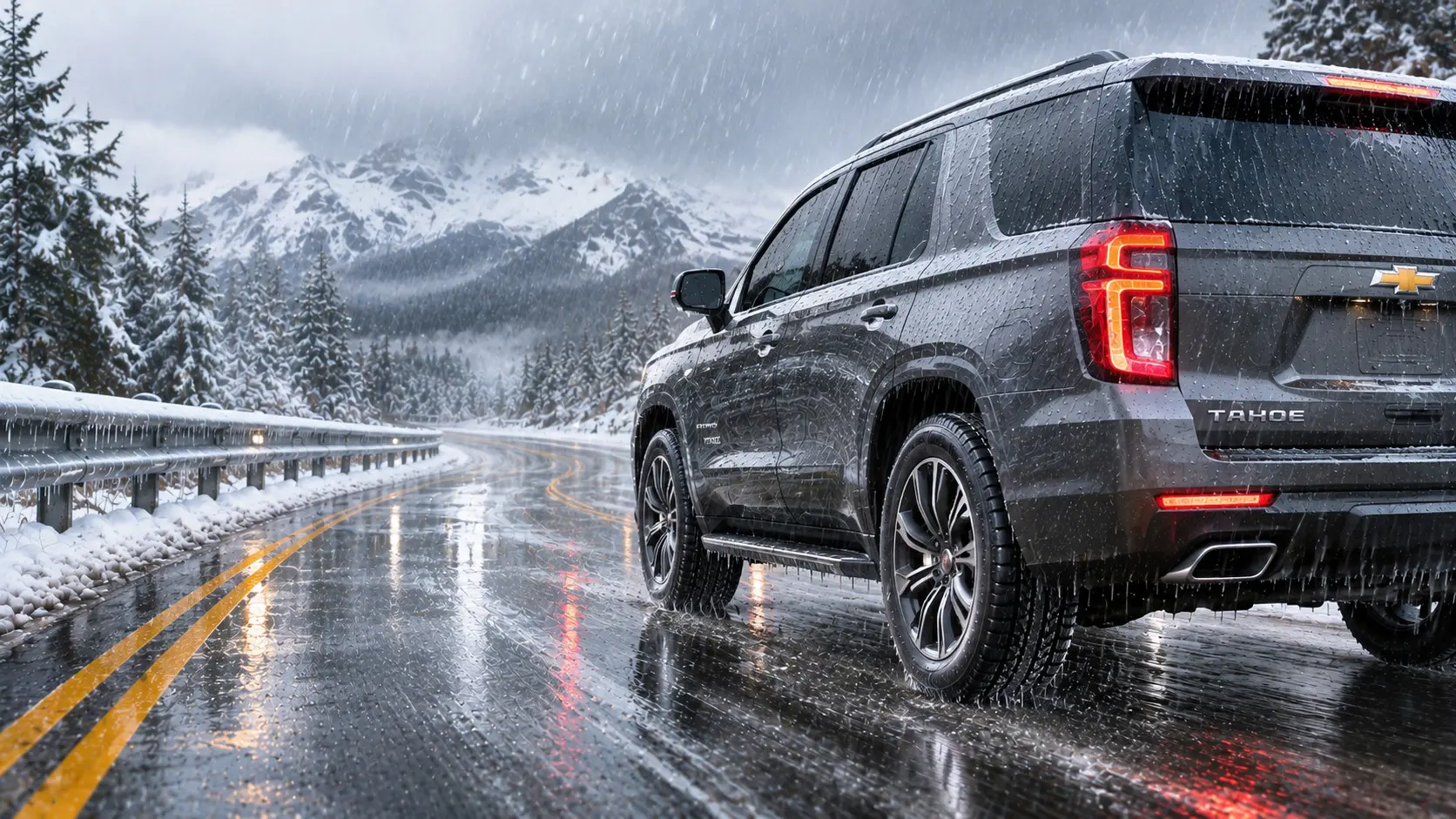
Driving in Freezing Rain: Essential Safety Rules for Tricky Winter Highways
Driving in freezing rain is one of the most challenging situations Canadian motorists can face. Unlike an ordinary snowfall, freezing rain can coat highways, bridges, intersections, and vehicle surfaces with a nearly invisible layer of ice. Even experienced winter drivers may struggle to maintain traction when road conditions deteriorate.
Whether you are commuting along Ontario’s Highway 401, travelling through Quebec during an ice storm, or navigating an icy stretch of the Trans-Canada Highway, knowing how to respond to freezing rain can help reduce the risk of losing control.
The most important safety rule is simple: avoid driving during freezing rain whenever possible. If travel is unavoidable, reduce your speed, increase your following distance, avoid sudden steering or braking, and recognize when conditions are too dangerous to continue.
This guide explains what makes freezing rain so hazardous, how to prepare your vehicle, what to do when traction disappears, and why choosing appropriate winter tires matters on icy Canadian roads.
What Is Freezing Rain and Why Is It So Dangerous?
Freezing rain is liquid precipitation that freezes when it contacts surfaces at or below the freezing point. It can rapidly create a smooth layer of ice on roads, sidewalks, bridges, and vehicles.
Unlike snow, which may provide some visible warning of slippery conditions, freezing rain can leave pavement looking merely wet. Drivers may not realize the road is icy until they attempt to brake, accelerate, or turn.
How Freezing Rain Forms
Freezing rain typically develops when snow falls through a layer of warmer air, melts into rain, and then passes through a relatively shallow layer of sub-zero air near the ground.
The droplets can remain liquid even though their temperature is below 0°C. When they strike a sufficiently cold road or other surface, they freeze and form a coating of ice.
This process can happen quickly, particularly during rapidly changing winter weather.
Why Freezing Rain Makes Highways Especially Hazardous
Several factors make driving in freezing rain particularly risky:
- Reduced tire traction: Ice limits the grip available for braking, steering, and acceleration.
- Longer stopping distances: Vehicles may require substantially more room to stop than on dry pavement.
- Black ice: Thin, transparent ice can blend into dark asphalt.
- Sudden changes in road grip: A seemingly clear stretch may lead directly onto an icy bridge or shaded curve.
- Reduced visibility: Ice accumulation on windows, mirrors, headlights, and wipers can obstruct the driver’s view.
- Chain-reaction collisions: Drivers following too closely may be unable to stop when traffic suddenly slows.
Freezing rain also creates hazards beyond the road surface. Heavy ice accumulation can bring down tree branches and power lines, obstruct roadways, and interrupt essential services.
Winter driving safety tip: A road that looks wet when the temperature is near or below freezing may actually be covered in ice. Never assume that dark, shiny pavement offers normal traction.
Freezing Rain vs. Snow vs. Black Ice: Understanding the Differences
Freezing rain, snow, and black ice create different driving hazards, but all can significantly reduce vehicle control. Understanding these conditions helps drivers recognize when extra caution is necessary.
| Winter Road Condition | Typical Appearance | Main Driving Hazard | Recommended Response |
|---|---|---|---|
| Freezing rain | Rain falling onto cold surfaces, often forming a glossy ice coating | Rapid loss of traction and ice accumulation | Avoid travel when possible; slow down and seek a safe stopping location |
| Black ice | Thin, transparent ice that resembles wet pavement | Unexpected loss of grip | Avoid sudden steering, acceleration, and braking |
| Packed snow | Compacted white or grey snow | Reduced braking and cornering grip | Use suitable winter tires and maintain extra space |
| Slush | Wet, partially melted snow | Slushplaning, instability, and unpredictable steering response | Reduce speed and avoid abrupt manoeuvres |
| Freezing drizzle | Fine droplets that can gradually coat surfaces with ice | Unexpected ice accumulation, sometimes with limited visibility | Monitor weather alerts and assess road conditions carefully |
One important distinction is that hydroplaning occurs when tires lose contact with the road because of water, while sliding on ice results from extremely low friction. Both can cause a loss of control, but the underlying conditions are different.
Should You Drive During Freezing Rain?
The safest decision during active freezing rain is generally to postpone non-essential travel. Even a well-maintained vehicle equipped with quality winter tires can lose traction on smooth ice.
Before leaving home, check weather warnings, highway conditions, and local travel advisories. Environment and Climate Change Canada issues weather alerts, while provincial transportation agencies provide information about road conditions and closures.
When You Should Consider Staying Off the Road
Strongly consider delaying your trip when:
- A freezing rain warning is in effect along your route.
- Road authorities report icy or rapidly deteriorating conditions.
- Bridges, ramps, or intersections are visibly ice-covered.
- Visibility is poor because of precipitation or ice accumulation.
- Your tires are worn, damaged, or unsuitable for winter conditions.
- Your windshield defroster or wipers cannot maintain adequate visibility.
- Road closures or emergency travel advisories have been issued.
Even a short drive can become dangerous when freezing rain begins accumulating. If conditions are already severe, waiting for road crews to treat the pavement may be the better choice.
Check Canadian Road Conditions Before Travelling
Useful official resources include:
- Environment and Climate Change Canada weather forecasts and alerts
- Ontario 511 highway conditions
- Quebec 511 road information
- DriveBC road conditions and highway alerts
- Alberta 511 traveller information
Check your route immediately before departure and continue monitoring official alerts when safely parked. Weather and road conditions can change considerably over a relatively short distance.
10 Essential Safety Rules for Driving in Freezing Rain
If you must drive during freezing rain, smooth vehicle control, reduced speed, increased spacing, and careful route decisions are essential. No driving technique can guarantee traction on an ice-covered highway.
1. Reduce Your Speed Before Reaching Icy Sections
Driving more slowly gives you additional time to recognize hazards and respond without sudden movements.
Posted speed limits are intended for favourable conditions. During freezing rain, a substantially lower speed may be necessary, and some roads may be unsafe at any practical driving speed.
Reduce your speed gradually while travelling in a straight line. Avoid abrupt braking when approaching a bridge, intersection, or curve.
2. Increase Your Following Distance
Stopping distances can increase dramatically on ice. Leave much more space than you would on dry pavement.
In ordinary conditions, drivers often use a minimum following interval of two or three seconds. During winter weather, a gap of at least six to eight seconds can be a useful starting point, with considerably more distance required on ice.
These intervals are not guarantees of sufficient stopping room. On glare ice, even a very large gap may not prevent a collision.
Avoid following large trucks closely because spray, snow, and ice can further reduce visibility.
3. Avoid Sudden Braking
Abrupt braking can exceed the limited traction available on an icy road, causing wheel slip and reducing directional control.
Look well ahead and begin slowing early. Apply the brakes progressively whenever possible.
If your vehicle has an anti-lock braking system (ABS) and you need to make an emergency stop, apply firm, continuous pressure to the brake pedal. Do not pump ABS brakes.
You may feel pulsation through the pedal as the system operates. This is normal.
ABS helps prevent wheel lockup and may preserve steering control, but it does not guarantee a shorter stopping distance on ice.
4. Make Gentle Steering Movements
Sudden steering inputs can cause the front or rear tires to lose grip.
Approach corners at a safe speed, keep steering movements gradual, and avoid sharp lane changes.
Try to complete most of your braking before entering a curve. Braking and turning simultaneously demand more traction from the tires.
5. Accelerate Slowly and Smoothly
Rapid acceleration can cause wheelspin, particularly when pulling away from a stop or climbing an icy incline.
Apply the accelerator gently and avoid unnecessary throttle changes.
If the drive wheels begin spinning, ease off the accelerator rather than applying more power.
Traction control may help manage wheelspin, but it cannot create grip when the road surface offers very little friction.
6. Be Extra Careful on Bridges and Overpasses
Bridges and elevated roadways can become icy before nearby road sections because they are exposed to cold air above and below.
Reduce your speed before reaching these areas, and avoid braking or steering sharply while crossing them.
Highway entrance ramps, exit ramps, and elevated curves deserve similar caution.
7. Avoid Cruise Control
Do not use conventional cruise control on icy or slippery roads.
Cruise control may attempt to maintain speed when traction is poor, potentially complicating vehicle control.
Adaptive cruise control and other driver-assistance features also have limitations in winter conditions. Follow the vehicle manufacturer’s guidance and maintain direct control of acceleration and braking.
8. Keep Your Windshield and Lights Clear
Freezing rain can quickly accumulate on windshields, side windows, mirrors, headlights, and sensors.
Before departure:
- Remove ice from all windows and mirrors.
- Clear snow and ice from headlights, taillights, and licence plates.
- Confirm that windshield wipers work properly.
- Use winter-rated windshield washer fluid.
- Ensure the defroster can keep the windshield clear.
- Remove snow and ice from the roof and hood.
Use your vehicle’s low-beam headlights when visibility is reduced. Do not rely solely on daytime running lights, which may not illuminate the rear lights.
If ice begins obstructing your view while driving, find a safe place to stop. Never continue when you cannot see the road adequately.
9. Avoid Unnecessary Lane Changes and Overtaking
Changing lanes requires steering and sometimes acceleration, both of which can destabilize a vehicle on ice.
Remain in your lane whenever practical, maintain a steady speed, and avoid unnecessary passing.
Be particularly careful near snowplows and road maintenance vehicles. Give them plenty of room and never attempt to pass unless it is legal and clearly safe.
10. Know When to Stop Driving
If your vehicle repeatedly loses traction, the windshield becomes difficult to clear, or traffic conditions deteriorate rapidly, continuing may be unsafe.
Reduce speed gradually and look for a designated rest area, service centre, or other safe location away from moving traffic.
Do not stop on a highway shoulder unless an emergency makes it necessary. If you must stop because of an emergency, follow local road safety guidance and keep yourself out of traffic.
Expert recommendation: During severe freezing rain, the best driving decision may be not to drive at all. Winter tires, all-wheel drive, and electronic stability systems improve certain aspects of vehicle performance, but none can eliminate the dangers of glare ice.
What to Do If Your Car Starts Sliding on Ice
If your vehicle begins sliding, remain focused on the direction you want to travel, avoid abrupt inputs, and make smooth corrections. The appropriate response depends on whether the front or rear tires have lost traction.
If the Front Tires Lose Grip (Understeer)
Understeer occurs when the front tires cannot provide enough cornering grip and the vehicle continues travelling wider than intended.
- Look toward the clear path you want the vehicle to follow.
- Ease off the accelerator smoothly.
- Avoid adding more steering angle when the front tires are already sliding.
- Reduce steering input slightly if necessary to help the tires regain grip.
- Once traction returns, steer gently toward your intended path.
Avoid sudden braking or aggressive steering, which may worsen the situation.
If the Rear Tires Lose Grip (Oversteer)
Oversteer occurs when the rear tires slide sideways and the back of the vehicle begins rotating.
- Look where you want the vehicle to go.
- Ease off the accelerator smoothly.
- Steer gently in the direction the rear of the vehicle is sliding to help align the vehicle with your intended path.
- As the vehicle straightens, unwind the steering smoothly to avoid a secondary skid.
- Avoid sudden or excessive corrections.
Recovery depends on available traction, vehicle behaviour, and the severity of the slide. On extremely slippery ice, steering corrections may have little immediate effect.
What If You Cannot Stop in Time?
If you need to stop urgently in a vehicle equipped with ABS, maintain firm pressure on the brake pedal and steer toward an available clear path if possible.
Do not deliberately aim for a ditch, barrier, or other object. There is no universally safe escape manoeuvre, and collision avoidance depends on the surrounding traffic and road conditions.
Practising emergency manoeuvres with a qualified winter driving instructor in a controlled environment can help drivers understand how their vehicles respond to reduced traction.
Are Winter Tires Effective in Freezing Rain?
Winter tires can improve cold-weather traction compared with many conventional all-season tires, but their effectiveness depends on the tire model, tread condition, temperature, and road surface. On smooth glare ice, even good winter tires have significant limitations.
Winter tires are engineered with rubber compounds and tread designs intended to perform in cold conditions. Many use dense networks of small tread cuts, called sipes, to create additional biting edges.
Winter Tires vs. All-Season vs. All-Weather Tires
| Tire Type | Cold-Weather Characteristics | Performance Considerations in Freezing Rain | Best Suited For |
|---|---|---|---|
| Dedicated winter tires | Designed for low temperatures, snow, and winter road conditions | Often provide better winter traction than conventional all-season tires, but glare ice remains hazardous | Drivers regularly facing Canadian winter conditions |
| All-weather tires with 3PMSF marking | Designed for year-round use with qualifying severe-snow capability | Performance varies by model; ice grip should not be assumed from the snowflake symbol alone | Drivers seeking a year-round compromise in suitable climates |
| Conventional all-season tires | Designed primarily for moderate year-round conditions | May offer reduced grip in severe cold and icy conditions compared with suitable winter tires | Regions with milder winters and limited winter weather |
| Studded winter tires | Winter tires fitted with metal studs for additional ice grip | Can improve traction on certain ice surfaces, but performance varies and provincial restrictions apply | Eligible regions with frequent icy conditions |
What Does the Three-Peak Mountain Snowflake Symbol Mean?
The Three-Peak Mountain Snowflake (3PMSF) symbol identifies tires that meet a specified performance requirement for traction in severe snow conditions.
It is an important marking when shopping for winter-capable tires in Canada.
However, 3PMSF certification is not a guarantee of superior braking or steering performance on glare ice. Snow traction and ice traction are different performance characteristics.
When comparing winter tires, look for credible independent testing that evaluates ice braking, ice handling, wet traction, and snow performance.
Are Studded Tires Better on Ice?
Studded winter tires may offer additional grip on certain icy surfaces, particularly hard, smooth ice.
However, they also have disadvantages, including increased road noise, potential pavement wear, and legal restrictions in some provinces.
Rules vary by province and sometimes by region, vehicle registration, and season. Check applicable regulations before purchasing or installing studded tires.
For many Canadian drivers, a quality non-studded winter tire designed with strong ice traction remains a practical option.
Does All-Wheel Drive Help in Freezing Rain?
All-wheel drive can help a vehicle accelerate on slippery surfaces by distributing engine power among multiple wheels. However, it does not provide a comparable advantage when braking, and it cannot overcome the limits of tire traction during cornering.
Drivers should understand the differences between common vehicle safety technologies.
- All-wheel drive (AWD): Can improve acceleration and mobility in some slippery conditions.
- Four-wheel drive (4WD): Can improve traction when driving through snow or other low-grip conditions, depending on the system.
- Anti-lock braking system (ABS): Helps prevent wheel lockup during braking.
- Electronic stability control (ESC): Can selectively brake individual wheels and reduce engine power to help manage certain skids.
- Traction control: Helps limit excessive drive-wheel spin during acceleration.
These technologies can assist drivers, but none can compensate for excessive speed or inadequate tire grip.
A vehicle with AWD and unsuitable tires may perform worse in braking and cornering than a two-wheel-drive vehicle equipped with appropriate winter tires.
How to Prepare Your Tires Before a Freezing Rain Storm
Proper tire maintenance helps ensure your tires can deliver their intended performance when temperatures drop. Check tread condition, inflation pressure, tire age, and visible damage before winter travel.
Check Tire Tread Depth
Tread depth affects how effectively tires handle snow, slush, and wet surfaces. Although smooth ice presents a different traction challenge, worn tread can still compromise overall winter performance.
In Canada, 1.6 mm is a commonly referenced minimum legal tread depth for passenger vehicle tires, but provincial requirements and tire-specific rules may differ.
That minimum should not be treated as a suitable target for winter driving.
Many tire specialists recommend considering winter tire replacement when tread depth approaches approximately 4 mm, particularly for drivers regularly encountering snow and slush.
Inspect all four tires for uneven wear, cracking, punctures, bulges, and other signs of damage.
Check Tire Pressure in Cold Weather
Tire inflation pressure generally decreases as temperatures fall. A commonly used approximation is a change of about 7 kPa (1 psi) for every 5–6°C temperature change, although actual results vary.
Check tire pressure when the tires are cold, using the manufacturer’s recommended cold inflation pressure found on the vehicle placard or in the owner’s manual.
Do not use the maximum pressure printed on the tire sidewall as your normal inflation target.
Underinflated tires may affect handling, tire wear, fuel efficiency, and heat buildup. Overinflation can also negatively affect ride and tire performance.
Inspect Tire Age and Condition
Tires deteriorate over time, even when they have adequate tread remaining.
Check the DOT tire identification information to determine the manufacturing date. On tires using the standard four-digit date code, the final four digits identify the production week and year.
Follow the tire and vehicle manufacturers’ recommendations for inspections and replacement. Have a qualified tire professional assess older tires or any tires showing signs of deterioration.
Do Not Mix Incompatible Tires
For predictable winter handling, use four compatible tires of the correct size, load rating, and specifications for your vehicle.
Transport Canada recommends installing winter tires in sets of four.
Mixing winter and non-winter tires can create an imbalance in available grip between the front and rear axles, increasing the risk of unstable handling.
Consult the vehicle manufacturer’s requirements before changing tire sizes or specifications, particularly on AWD vehicles.
Winter Driving Laws and Tire Requirements Across Canada
Winter tire rules differ across Canada. Some provinces have specific seasonal requirements, while others rely primarily on general vehicle safety and roadworthiness rules.
| Province or Region | Important Winter Tire Consideration | What Drivers Should Know |
|---|---|---|
| Quebec | Mandatory winter tire period for most Quebec-registered passenger vehicles | Generally December 1 through March 15, subject to legal exceptions and applicable tire standards |
| British Columbia | Winter tires or chains required on designated routes during specified periods | Requirements commonly begin October 1 and may continue to March 31 or April 30, depending on the route |
| Ontario | No general province-wide winter tire mandate for passenger vehicles | Winter tires are strongly recommended for winter conditions; qualifying insurance discounts may apply |
| Alberta | No general province-wide winter tire mandate for passenger vehicles | Appropriate winter tires are recommended for severe cold, snow, and ice |
| Atlantic provinces | Requirements and studded tire rules vary | Check current provincial regulations, especially for studded tire use |
In British Columbia, qualifying winter tires on designated routes may include tires with the 3PMSF symbol or an M+S marking, subject to minimum tread depth and other requirements. The M+S marking does not provide the same severe-snow performance certification as 3PMSF.
Regulations can change. Always verify current requirements with the relevant provincial transportation authority before travelling.
How Much Longer Does It Take to Stop on Ice?
Braking distance can increase dramatically on icy pavement because the tires have far less friction available to slow the vehicle.
The exact distance depends on speed, tire type, ice condition, temperature, road gradient, vehicle characteristics, and driver response.
Why Speed Makes Such a Big Difference
For a given level of braking traction, braking distance increases approximately with the square of vehicle speed.
For example, doubling your speed from 40 km/h to 80 km/h can increase the braking portion of stopping distance by approximately four times, assuming the same available friction and braking conditions.
This does not include the distance travelled while the driver recognizes a hazard and reacts.
Illustrative Stopping Distance Comparison
The following example uses a constant deceleration model and a driver reaction time of 1.5 seconds. It assumes an illustrative tire-road friction coefficient of 0.10, representing very slippery ice. Actual ice traction can be higher or lower.
| Vehicle Speed | Reaction Distance | Approximate Braking Distance | Approximate Total Stopping Distance |
|---|---|---|---|
| 30 km/h | 13 m | 35 m | 48 m |
| 50 km/h | 21 m | 98 m | 119 m |
| 70 km/h | 29 m | 193 m | 222 m |
| 90 km/h | 38 m | 319 m | 357 m |
These are theoretical illustrations, not measured tire test results or recommended following distances. They assume level ground, constant friction, and constant braking deceleration. Real stopping distances may differ substantially.
The key lesson is that even moderate increases in speed can produce very large increases in stopping distance when traction is limited.
How to Handle Freezing Rain on Canadian Highways
Highway driving during freezing rain requires extra attention to speed changes, ramps, bridges, heavy vehicles, and areas where road conditions may change unexpectedly.
Highway 401 and Other Busy Ontario Corridors
Ontario’s major highways can experience freezing rain, especially during winter weather systems that bring fluctuating temperatures.
Heavy traffic increases the consequences of sudden braking and unexpected skids.
Maintain a generous following distance, avoid unnecessary lane changes, and check Ontario 511 for road restrictions or closures.
Quebec Highways During Ice Storms
Quebec drivers may encounter prolonged freezing rain events that affect highways, local roads, and power infrastructure.
Winter tires are an important part of vehicle preparation, but they cannot guarantee control during severe icing.
Consult Quebec 511 and follow official warnings, particularly when travelling between cities or through rural areas.
Mountain Highways in British Columbia
British Columbia’s mountain routes can experience rapidly changing winter conditions, including freezing precipitation, snow, and compact ice.
Elevation changes may produce significant differences in road temperature and surface conditions.
Check DriveBC, follow posted winter tire and chain requirements, and avoid entering mountain passes during severe weather warnings.
Prairie Highways and Open Rural Roads
Across Alberta, Saskatchewan, and Manitoba, freezing rain may combine with strong winds, blowing snow, and low visibility.
Long distances between services make preparation especially important.
Carry emergency supplies, maintain sufficient fuel or battery charge, and avoid isolated routes when hazardous conditions are forecast.
What Should Be in Your Winter Emergency Kit?
A winter emergency kit can help you remain safer and more comfortable if freezing rain causes a road closure, collision, or unexpected delay.
Essential Winter Vehicle Supplies
- Warm blankets and extra winter clothing
- Insulated gloves, hats, and waterproof boots
- Flashlight with spare batteries
- Portable phone charger or charged power bank
- Ice scraper and snow brush
- Small shovel
- Traction aids suitable for your vehicle
- Reflective warning equipment
- First-aid kit
- Drinking water and non-perishable food
- Windshield washer fluid rated for winter temperatures
- Jumper cables or a suitable portable battery booster
- Emergency contact information
Before a long winter trip, also check your battery condition, heating system, lights, wipers, and tire pressure.
What If You Become Stranded During Freezing Rain?
If your vehicle becomes immobilized, assess the location and surrounding traffic before deciding whether to remain inside.
Call emergency services if anyone is injured, the vehicle is in a dangerous position, or immediate assistance is required.
If you are safely off the roadway and sheltering in your vehicle, conserve phone battery power and make your location known to emergency contacts or roadside assistance.
If you run the engine for heat, ensure the exhaust pipe is completely clear of snow and ice. A blocked exhaust can allow dangerous carbon monoxide to enter the passenger compartment.
Do not run the engine in an enclosed space. If the vehicle is exposed to moving traffic or another immediate hazard, follow emergency responder instructions about where to wait.
Common Mistakes Drivers Make During Freezing Rain
Many freezing rain collisions involve avoidable decisions such as travelling too fast, following too closely, or overestimating the capabilities of winter tires and vehicle safety systems.
Mistake 1: Assuming AWD Makes the Vehicle Safe on Ice
AWD may improve acceleration but cannot eliminate the risk of sliding during braking or cornering.
Mistake 2: Driving at the Posted Speed Limit
A posted speed limit does not mean that speed is safe during freezing rain. Adjust speed to actual conditions and stop travelling when the road becomes unsafe.
Mistake 3: Following Other Vehicles Too Closely
Even a small traffic slowdown can become dangerous when braking traction is severely reduced.
Mistake 4: Using Worn Winter Tires
Winter tires lose performance as their tread wears and rubber ages. Inspect their condition rather than relying only on the winter tire label.
Mistake 5: Braking Hard in a Curve
Braking and cornering require traction simultaneously. Slow down before entering a turn whenever possible.
Mistake 6: Continuing When Visibility Is Poor
Driving with an ice-covered windshield or obstructed lights increases collision risk. Stop safely and restore visibility before continuing.
Mistake 7: Ignoring Weather Warnings
Freezing rain can develop into a major ice event. Check official warnings and be prepared to postpone travel.
Freezing Rain Driving Checklist: Before You Leave
A short pre-trip inspection can identify problems before you encounter icy roads. Use this checklist whenever freezing rain is forecast.
- Weather: Check Environment and Climate Change Canada alerts.
- Road conditions: Review provincial 511 reports and closures.
- Travel necessity: Determine whether the trip can be postponed.
- Tires: Inspect tread depth, condition, and cold inflation pressure.
- Visibility: Clear windows, mirrors, lights, cameras, and sensors.
- Wipers: Check blades and winter washer fluid.
- Battery: Confirm reliable starting and adequate charge.
- Emergency kit: Carry warm clothing, water, lighting, and communication supplies.
- Route: Identify safe stopping locations and avoid unnecessary travel on exposed or remote roads.
- Driving plan: Allow extra time, increase following distance, and avoid abrupt manoeuvres.
If any critical safety item is missing, address it before departure or delay your journey.
Frequently Asked Questions About Driving in Freezing Rain
1. Is it safe to drive during freezing rain?
Driving during freezing rain can be extremely dangerous because ice dramatically reduces tire traction. The safest option is usually to postpone non-essential travel until conditions improve and roads have been treated. If travel is unavoidable, drive cautiously and stop when conditions become unsafe.
2. What is the safest speed for driving on icy roads?
There is no universal safe speed for icy roads. The appropriate speed depends on traction, visibility, traffic, road design, and vehicle condition. On severe glare ice, the safest decision may be to avoid driving entirely.
3. Are winter tires good for freezing rain?
Winter tires can offer improved cold-weather traction compared with many conventional all-season tires. However, ice performance varies by model, and even high-quality winter tires can lose grip on smooth ice. Look for independent ice braking and handling test results when comparing tires.
4. Can you drive in freezing rain with all-season tires?
Conventional all-season tires may provide inadequate traction during severe icy conditions. Their performance depends on the model, temperature, tread condition, and road surface. Dedicated winter tires are generally the more appropriate choice for drivers who regularly experience harsh Canadian winters.
5. Is freezing rain more dangerous than snow?
Freezing rain can be especially dangerous because it creates smooth ice that may be difficult to see. Snow also reduces traction, but it is often more visible. The severity of either hazard depends on accumulation, temperature, tire condition, and road treatment.
6. Does ABS work on icy roads?
ABS can help prevent wheel lockup and preserve steering capability during hard braking. However, ABS cannot create additional road friction and may not shorten stopping distances on ice. In an emergency, drivers with ABS should generally maintain firm, continuous brake pressure.
7. Should I use cruise control during freezing rain?
No. Avoid conventional cruise control on icy roads. Maintaining direct control of vehicle speed helps you respond more appropriately to changing traction conditions. Driver-assistance systems also have limitations in winter weather.
8. What should I do if my car starts sliding on black ice?
Look toward your intended path, ease off the accelerator, and avoid sudden braking or steering. Make smooth corrections appropriate to whether the front or rear tires are sliding. If traction is extremely limited, the vehicle may not respond immediately.
9. Do bridges freeze before regular roads?
Bridges and overpasses can freeze sooner than surrounding pavement because cold air circulates above and below the roadway. They may remain icy even when nearby road sections appear wet or clear.
10. Is AWD better than front-wheel drive in freezing rain?
AWD may help a vehicle accelerate on slippery surfaces, but it does not provide a comparable advantage during braking. Tire quality, available grip, vehicle speed, and driver behaviour remain critical regardless of drivetrain configuration.
11. How much following distance should I leave on ice?
Leave substantially more room than in normal conditions. Six to eight seconds can be a starting point for some winter situations, but severe ice may require much greater separation. No fixed following interval guarantees enough stopping distance on glare ice.
12. Can freezing rain damage my tires?
Freezing rain itself does not normally damage properly maintained tires. However, hidden potholes, debris, curbs, and collisions caused by slippery conditions can damage tires and wheels. Inspect your tires after any significant impact.
13. Are studded tires necessary for Canadian winters?
Not necessarily. Studded tires can improve grip on certain icy surfaces, but many drivers use high-quality non-studded winter tires. Studded tire regulations vary by province, so confirm local requirements before installing them.
14. What temperature causes freezing rain?
Freezing rain commonly occurs when liquid precipitation reaches surfaces at or below 0°C. Air temperatures near the surface may vary, and road temperatures can differ from reported air temperatures. A road may be icy even when a nearby thermometer reads slightly above freezing.
15. What should I do if freezing rain starts while I am on the highway?
Reduce speed gradually, increase following distance, avoid sudden manoeuvres, and monitor the road ahead. If conditions deteriorate, use a safe exit or designated stopping area. Avoid stopping on the highway shoulder unless an emergency requires it.
Final Recommendations: Stay Prepared, Stay Alert, and Respect the Ice
Driving in freezing rain requires more than simply slowing down. It demands careful planning, smooth vehicle control, appropriate tires, and a willingness to change travel plans when conditions become unsafe.
For Canadian drivers, the most important habits are to monitor winter weather alerts, maintain a generous following distance, avoid abrupt braking or steering, and recognize that even advanced vehicle technology has limits on ice.
Choosing suitable winter tires is another important part of winter readiness. Properly maintained tires with appropriate cold-weather performance can improve vehicle control in many winter conditions, although no tire can guarantee safety on glare ice.
At TireWarehouse.ca, we encourage drivers to make informed tire decisions based on their vehicle, local climate, driving habits, and the winter conditions they are most likely to encounter.
Before your next winter highway trip, inspect your tires, check the forecast, and remember: when freezing rain makes the road unsafe, the best safety decision is to wait.
Recommended Related Reading
Explore these additional winter tire and driving topics to prepare for Canadian road conditions:
- Winter Tires vs. All-Weather Tires: Understand the differences in cold-weather performance, snow traction, and year-round convenience.
- How to Check Winter Tire Tread Depth: Learn how to inspect tread wear and recognize when replacement may be necessary.
- Black Ice Driving Safety Tips: Discover how to recognize hidden ice and respond to unexpected traction loss.
- Winter Tire Pressure Guide: Understand how cold temperatures affect tire inflation and handling.
- When to Install Winter Tires in Canada: Learn about seasonal tire changes, the 7°C guideline, and provincial requirements.
- How to Choose the Best Winter Tires for Canadian Roads: Compare tire features, snow and ice performance, and important buying considerations.
Visit TireWarehouse.ca for tire information and winter driving preparation resources.
In stock & ready to ship
Find the tires you need, delivered from a warehouse near you