
The Most Common Winter Tire Switching Mistakes—and How to Prevent Them
From installing mismatched tires to skipping essential pressure checks, small oversights can lead to big safety issues once temperatures drop. Learn the most frequent mistakes drivers make when switching to winter tires—and the simple steps that ensure maximum traction, longevity, and cold-weather performance all season long.
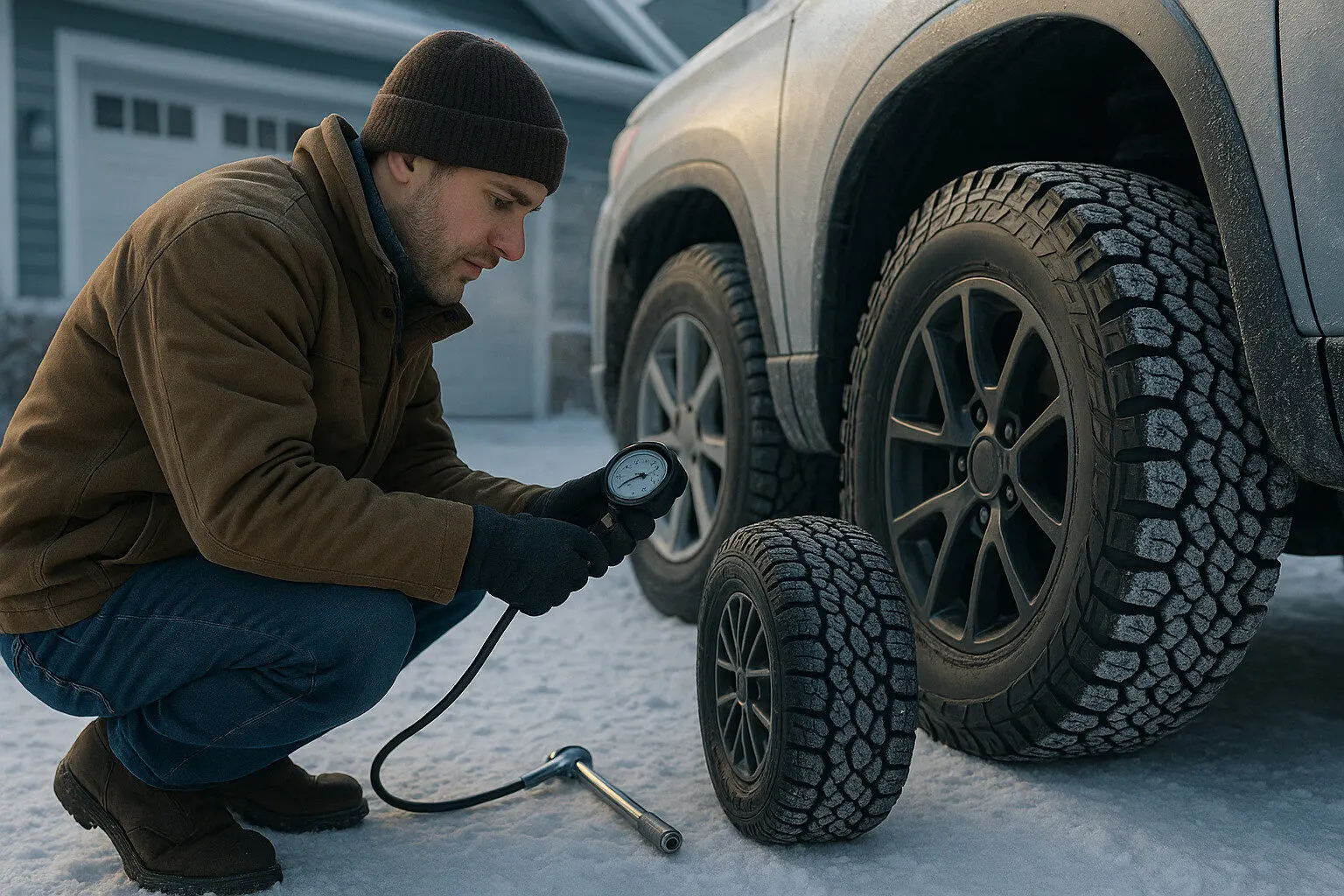
Winter driving in Canada isn’t forgiving—and neither are tire mistakes. Every year, drivers face avoidable issues like poor traction, uneven wear, or unexpected repair costs simply because the switch to winter tires wasn’t done correctly.
Whether you drive a sedan, SUV, or a light truck, avoiding these common mistakes will keep you safer and help your winter tires last longer.
1. Waiting Too Long to Switch Tires
Many drivers assume winter tires are only needed when the first snowfall hits. In reality, the rubber compound in all-season or summer tires starts to harden around 7°C, dramatically reducing grip.
How to avoid it:
Switch to winter tires early—ideally in late October or early November—so you’re prepared before icy mornings and early-season cold snaps.
2. Mixing Tire Types or Brands
Some drivers try to save money by pairing two winter tires with two all-season tires. This is extremely unsafe and causes unstable handling, especially on icy roads.
How to avoid it:
Use four matching winter tires with the same:
-
Brand
-
Model
-
Size
-
Tread pattern
This ensures balanced traction and predictable braking.
3. Not Checking Tire Pressure Once Temperatures Drop
Cold weather can drop air pressure by 1 PSI per 5°C, leaving many winter tires underinflated without the driver noticing. Low pressure affects grip, fuel economy, and tread life.
How to avoid it:
Check tire pressure at least every two weeks during winter. Set PSI based on your vehicle manufacturer’s recommendations—not what’s listed on the tire itself.
4. Forgetting to Re-Torque Lug Nuts
After installation, lug nuts can settle as the wheels adjust to cold temperatures and driving stress. If they become loose, this can lead to vibration or, in extreme cases, wheel detachment.
How to avoid it:
Return to your installer after 50–100 km to re-torque the lug nuts. It’s quick, usually free, and critical for safety.
5. Choosing the Wrong Winter Tire Category
Not all winter tires are built for the same driving style. For example:
-
Ice-focused winter tires work best for city commuting.
-
All-terrain winter-capable tires are ideal for rural, job-site, or mixed-surface driving.
Choosing the wrong type can reduce performance and shorten tire life.
How to avoid it:
Consider your driving environment, climate, and vehicle. For example, at TireWarehouse.ca, popular options include:
-
Bridgestone Blizzak DM-V2 – ideal for SUVs/Light Trucks that spend more time on ice and city roads.
-
Mickey Thompson Baja Boss A/T (3PMSF) – great for trucks needing both winter traction and rugged durability.
6. Ignoring Alignment or Suspension Issues
If your vehicle already has alignment problems, switching to winter tires will magnify the issue—leading to rapid or uneven wear.
How to avoid it:
Get your alignment checked before mounting your winters. It protects your investment and improves handling all season long.
7. Not Storing Tires Properly
Tires thrown into a damp garage or left stacked under weight can deteriorate prematurely.
How to avoid it:
Store tires:
-
In a cool, dry environment
-
Away from sunlight
-
Inside tire bags or covers
-
Vertically (if unmounted)
-
Horizontally (if mounted on rims)
Proper storage can easily extend tire life by 2–3 seasons.
AEO Quick Answers for Fast Winter Guidance
When should I switch to winter tires in Canada?
When temperatures consistently drop below 7°C—even without snow.
Can I use only two winter tires?
No. You must install four matching winter tires for safe braking and handling.
How often should I check winter tire pressure?
Every two weeks or after sudden temperature drops.
Do all winter tires work for trucks and job-site driving?
No. Choose winter tires rated for your vehicle weight and use case.
Final Thoughts
Switching to winter tires shouldn’t be complicated—but skipping key steps can put your safety at risk. By avoiding these common mistakes, you’ll get better grip, a smoother ride, and longer-lasting winter performance.
Browse our full selection of winter tires at TireWarehouse.ca and get fast shipping anywhere in Canada.
In stock & ready to ship
Find the tires you need, delivered from a warehouse near you