
What to Look for in Winter Tires Before You Tow
The right winter tires can make towing safer, more stable, and more predictable when you’re pulling a camper, boat, or work trailer through snow, slush, and icy roads.
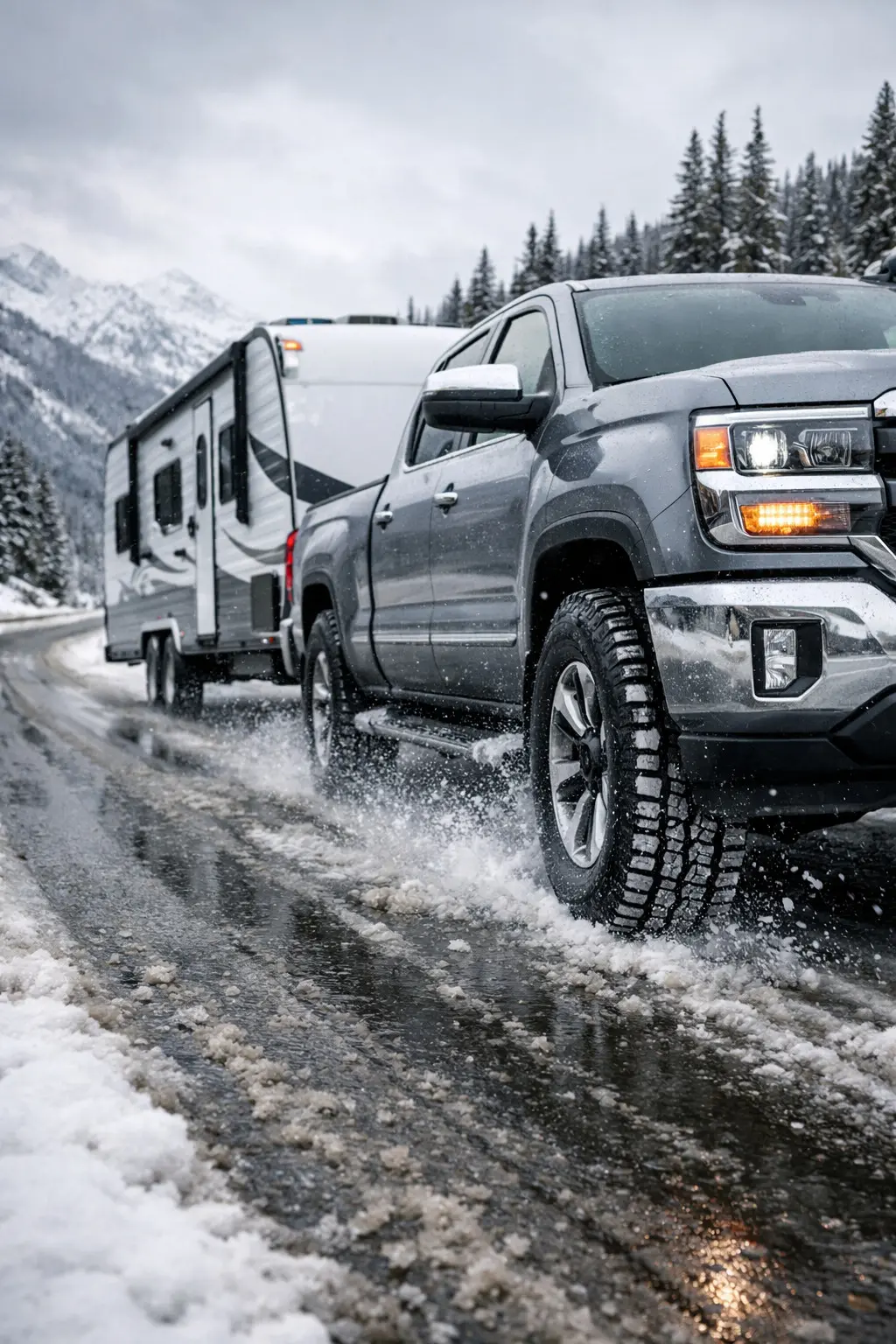
Towing in winter is a completely different challenge than towing in dry or mild conditions. When you add a camper, boat, or work trailer behind your vehicle, you are not just dealing with snow and ice—you are also managing extra weight, longer stopping distances, reduced traction, and more demanding handling. That is why choosing the right winter tires is one of the most important decisions you can make before heading out in cold-weather conditions.
Many drivers focus only on whether a tire is labeled for winter, but towing requires a more careful look. Not every winter tire is equally suited for pulling a trailer, especially when load demands and stability become part of the equation. The best setup combines winter traction, proper load support, reliable braking, and confident control.
Why winter tires matter more when towing
When your vehicle is towing, every input becomes more sensitive. Acceleration needs more grip. Braking requires more control. Turning places more stress on the tire contact patch. On snowy or icy roads, that extra demand can expose the limits of an all-season tire very quickly.
Winter tires are designed with softer rubber compounds that stay flexible in low temperatures. They also feature tread patterns and siping that help the tire bite into snow, channel slush away, and improve grip on cold pavement. For drivers towing a trailer, that added traction can make a major difference in launch, cornering, and emergency braking.
Focus on load rating first
One of the biggest mistakes drivers make is choosing winter tires based only on size compatibility. If you tow regularly, you also need to verify that the tire’s load rating is appropriate for your vehicle and intended use.
Towing a camper, boat, or work trailer can place extra stress on the rear axle, especially when cargo, passengers, and hitch weight are added together. Choosing a winter tire with the right load capacity helps maintain stability and supports the vehicle under heavier winter driving demands.
If you drive a pickup, full-size SUV, or van for towing, it may be worth considering LT-rated winter tires depending on your application. These tires are built for heavier-duty use and can provide the additional support needed for more demanding towing setups.
Look for strong traction and stable handling
Traction is essential, but stability matters just as much when towing in winter. A tire that performs well in snow should also deliver predictable handling when the trailer shifts weight or when road conditions change suddenly.
Look for winter tires with:
- Strong snow and slush evacuation
- Solid shoulder design for cornering stability
- Reliable wet braking performance
- A tread pattern that balances grip with control
For towing, a tire that feels planted and consistent is often more valuable than one that is focused only on deep-snow performance. Real-world winter roads are often a mix of cold pavement, slush, packed snow, and icy intersections, so versatility matters.
Do not overlook braking performance
Stopping safely while towing is one of the most important reasons to upgrade to proper winter tires. Added trailer weight means longer stopping distances, and winter roads reduce traction even further.
A quality winter tire helps your tow vehicle maintain better road contact during braking, which can reduce sliding and improve driver confidence. Even with trailer brakes, your vehicle’s tires still do the essential work of maintaining direction and helping the entire setup stay composed during deceleration.
Choose the right tire type for your towing needs
Not every towing situation is the same. Someone pulling a light utility trailer occasionally in town may not need the same winter tire as a driver hauling a heavy work trailer on highways every week.
Here is a simple way to think about it:
For light recreational towing:
Choose a winter tire with strong everyday road manners, wet traction, and dependable light-snow performance.
For frequent highway towing:
Prioritize stability, braking, and load support. Look for winter tires designed for SUVs, trucks, or commercial applications.
For heavier-duty work use:
Consider reinforced or LT winter tire options that can better handle payload, trailer weight, and repeated winter use.
Check your tire pressure more often in cold weather
Cold temperatures reduce air pressure, and underinflated tires can negatively affect towing stability, steering response, and tread wear. During winter towing season, check tire pressure regularly and always inflate according to the vehicle manufacturer’s recommendations for your specific load conditions.
Proper inflation helps the tire carry weight correctly, maintain its shape, and deliver the traction and handling you expect in winter conditions.
Should the trailer have winter tires too?
In many towing situations, drivers focus only on the tow vehicle, but the trailer matters too. While the tow vehicle provides power, steering, and much of the braking control, the trailer still needs proper traction and predictable behavior behind it.
If you tow often in winter, upgrading the trailer tires or ensuring they are in excellent condition can improve overall stability. This is especially important for heavier trailers or long-distance travel in snowy regions.
Final thoughts
Choosing winter tires for towing is about more than surviving bad weather. It is about building a safer, more controlled driving experience when your vehicle is working harder than usual. The right winter tires can improve traction, help with braking, support heavier loads, and give you better stability when towing a camper, boat, or work trailer.
Before winter towing season begins, make sure your tires match both your vehicle and your real-world towing needs. A properly selected set of winter tires can help you stay in control when the road conditions are anything but predictable.
In stock & ready to ship
Find the tires you need, delivered from a warehouse near you