
Caught in a Summer Downpour? How Ultramax Tread Grooves Fight Hydroplaning
A sudden summer storm can turn an ordinary drive into a white-knuckle experience. Here is how Ultramax tread grooves are designed to move water away from the contact patch, help reduce hydroplaning risk, and support safer wet-weather driving on Canadian roads.
Caught in a Summer Downpour? How Ultramax Tread Grooves Fight Hydroplaning
Summer driving in Canada is not always dry, predictable, or easy. One minute the road is hot and clear, and the next you are dealing with a heavy downpour on Highway 401, a rain-soaked commute in Vancouver, or a stormy cottage-country drive in Muskoka. When water starts building on the road surface, traction can disappear faster than many drivers expect.
That is where tire design matters. While no tire can completely eliminate the risk of hydroplaning, a well-engineered tread pattern can make a meaningful difference in how a vehicle behaves in wet conditions. Ultramax tread grooves are designed to help evacuate water from under the tire, maintain more consistent road contact, and support confident handling when summer weather turns ugly.
In this guide, we will explain what hydroplaning is, why it happens, how tread grooves help, and what Canadian drivers can do to lower their risk during summer rain. We will also cover practical maintenance tips, warning signs to watch for, and what to do if your vehicle starts to hydroplane.
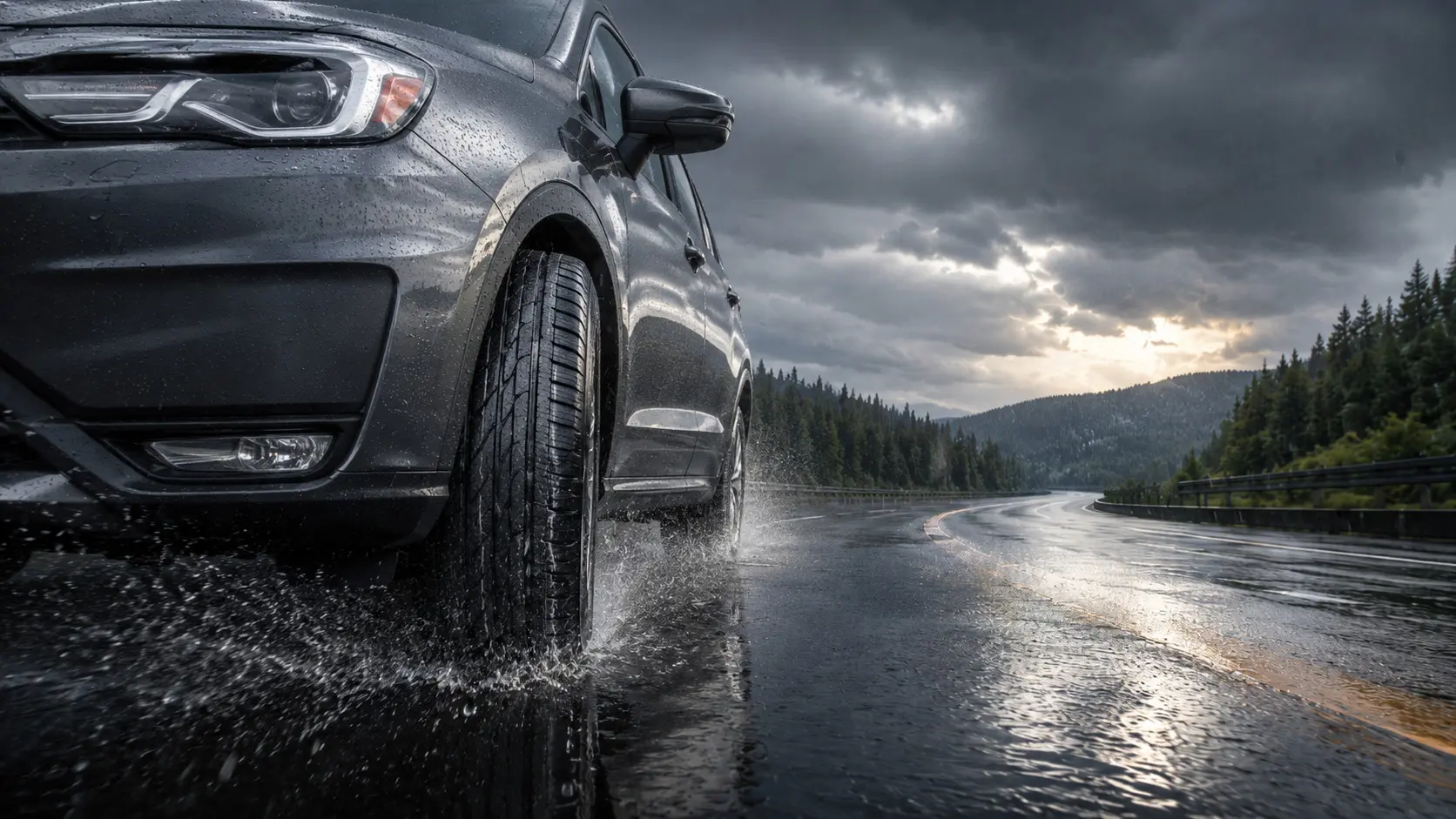
Ultramax tread grooves help reduce hydroplaning by channelling water away from the tire’s contact patch.
The simplest way to understand hydroplaning is this: when too much water builds up between the tire and the road, the tire can no longer push that water aside fast enough. Instead of gripping the pavement, it starts to ride on top of the water layer. That loss of direct road contact can reduce steering response, braking performance, and overall control.
Ultramax tread grooves are designed to combat that problem by creating pathways for water to escape. As the tire rolls forward, the grooves collect water from the road surface and direct it out and away from the contact area. The faster water is evacuated, the better the tire can maintain usable traction in wet conditions.
This does not mean a tire can defeat physics. Deep standing water, excessive speed, worn tread, and improper inflation can still cause hydroplaning. But groove design is one of the key reasons some tires perform better than others when the road turns slick.
Why the contact patch matters
The contact patch is the portion of the tire touching the road at any given moment. It is the small but critical area responsible for acceleration, cornering, steering, and braking. In wet weather, tread grooves help protect that contact patch by reducing the amount of water trapped beneath it.
Why groove design is so important in summer rain
Summer storms often create sudden, uneven water coverage. You may drive from dry pavement into pooled water in a matter of seconds. A tread design that can rapidly clear water helps the tire adapt to changing road conditions instead of becoming overwhelmed.
Hydroplaning happens when the tire cannot clear water quickly enough to stay connected to the road.
Hydroplaning, sometimes called aquaplaning, occurs when a film of water builds between the tire and the road surface. Once that film becomes thick enough, the tire may lose much of its grip. The result can feel like the vehicle is floating, gliding, or suddenly becoming light in the steering.
Even experienced drivers can be caught off guard because hydroplaning often happens quickly. You may be travelling at a reasonable speed and still run into trouble if water is deep enough or your tires are worn. This is especially common during the first 10 to 20 minutes of rainfall, when water mixes with oil and debris already sitting on the pavement.
Common signs of hydroplaning
- The steering feels unusually light or vague.
- The vehicle does not respond normally when you turn the wheel.
- The engine revs rise briefly without a matching increase in control.
- You feel the vehicle drift or glide across the lane.
- Braking response feels delayed or unstable.
Why summer storms can be deceptive
Many drivers associate dangerous traction loss with winter, but summer rain brings its own risks. Warm pavement, higher seasonal speeds, sudden thunderstorms, and water pooling in ruts all contribute to hydroplaning risk. On major highways, heavily travelled lanes can develop grooves where water collects, increasing the likelihood of losing traction.
Ultramax groove design supports wet-weather performance by combining water evacuation with tread stability.
Effective wet traction is not only about having grooves. It is about how those grooves are arranged and how the tread blocks work together. Ultramax tread grooves are designed to support water dispersal while helping the tread remain stable under load.
In practical terms, that means the tread pattern helps move water away while still maintaining a controlled footprint. When a tread becomes too unstable, handling can feel loose. When it lacks enough open channels, water evacuation may suffer. A balanced design aims to deliver both control and wet-road confidence.
Main grooves help move larger volumes of water
The primary circumferential grooves, which run around the tire, act like channels that carry water through the tread pattern. These main grooves are especially important at highway speeds, where the tire must process more water in less time.
Lateral channels help push water outward
Connecting grooves and angled channels help direct water from the centre of the tread toward the edges. This supports quicker drainage and helps reduce the amount of water trapped beneath the tire.
Tread block design helps preserve control
Grooves work best when paired with a tread structure that remains composed during braking and cornering. That stability helps the tire maintain a more predictable response when the road is wet.
Expert tip: A good wet-weather tire helps lower hydroplaning risk, but it cannot replace proper driving habits. In heavy rain, the most effective safety feature is still reducing speed and increasing following distance.
Speed, tread depth, inflation, and water depth all affect how likely a vehicle is to hydroplane.
Tire design matters, but it is only one part of the equation. Hydroplaning usually results from several factors coming together at the same time. Understanding those factors helps drivers make better choices before and during a storm.
| Factor | How It Affects Hydroplaning Risk | What Drivers Should Do |
|---|---|---|
| Speed | Higher speed gives the tire less time to move water away. | Slow down well before standing water or heavy rain. |
| Tread Depth | Worn tread has less space to evacuate water effectively. | Check tread regularly and replace tires before they become unsafe. |
| Tire Pressure | Underinflation can weaken stability and wet-weather performance. | Maintain pressure according to the vehicle manufacturer’s placard. |
| Standing Water | Deeper water increases the chance the tire will ride on the surface. | Avoid puddles and wheel ruts when safe to do so. |
| Vehicle Load | Extra cargo changes weight distribution and braking behaviour. | Do not overload the vehicle and adjust driving for conditions. |
| Road Surface | Rutted, polished, or uneven pavement can hold water more easily. | Be extra cautious on busy highways and older urban roads. |
Why tread depth is a major factor
As tires wear down, the grooves become shallower. That leaves less room for water to move through the tread. Even if a tire still feels acceptable in dry weather, wet performance can drop off well before the tire appears completely worn out.
For Canadian drivers, this is especially important during peak road-trip season. A tire that has one more dry season left may still be a weak performer in heavy rain.
Why tire pressure should not be ignored
Correct inflation helps the tire maintain its intended shape and contact patch. When a tire is underinflated, the tread may not interact with the road as the manufacturer intended. That can reduce wet-road stability and accelerate uneven wear, which can further compromise performance.
Summer rain in Canada creates real hydroplaning hazards on highways, city streets, and cottage-country roads.
Canadian driving conditions vary widely from province to province, but wet-weather risk is a common thread across the country. In British Columbia, coastal rainfall can create consistently slick roads. In Ontario and Quebec, high-volume highways and sudden thunderstorms increase pooling and spray. In Atlantic Canada, changing coastal weather can bring strong rain and reduced visibility. On Prairie highways, intense storm cells can drop heavy rain quickly, overwhelming drainage systems.
This is why wet-weather tire performance should matter to more than just year-round rainy regions. Summer downpours can happen anywhere, and they often arrive with little warning.
Common Canadian situations where hydroplaning risk rises
- Entering a storm at highway speed after driving on dry pavement.
- Passing through rutted lanes with visible standing water.
- Driving on roads where oil, dust, and debris have built up during hot weather.
- Commuting in urban traffic where drainage is poor near intersections.
- Taking long weekend trips with a heavily loaded SUV or crossover.
Why visibility and hydroplaning often go together
Heavy rain does not only affect traction. It also reduces visibility, making it harder to spot pooling water, lane markings, and braking traffic ahead. That combination is one reason summer storms can become so dangerous so quickly.
Drivers can lower hydroplaning risk by combining the right tires with smart wet-weather habits.
Tires are only part of the safety picture. The driver still plays the biggest role in avoiding trouble. A tire with effective tread grooves gives you a better chance of maintaining control, but your decisions behind the wheel are what determine how much risk you take on.
Wet-weather driving habits that help
- Reduce speed before you enter heavy rain or standing water.
- Increase following distance to allow more room for braking.
- Avoid sudden steering, braking, or hard acceleration.
- Drive in the tracks of the vehicle ahead when it is safe, as some water may already be displaced.
- Turn on your headlights so you can see and be seen.
- Avoid using cruise control in heavy rain.
- Inspect your tires regularly for wear, damage, and proper inflation.
What to do if your vehicle starts to hydroplane
If you feel the vehicle begin to hydroplane, stay calm. Ease off the accelerator smoothly and keep the steering wheel pointed in the direction you want to go. Avoid slamming the brakes or making abrupt steering inputs. As the tires regain contact with the road, you should gradually recover control.
If you need to brake, do so gently and only once traction begins to return. Vehicles equipped with modern stability control and ABS can help, but they still depend on the tires having enough grip to work effectively.
Regular tire maintenance is essential because even the best groove design cannot perform properly on a neglected tire.
A tire’s wet-weather performance depends not only on its original design, but also on its current condition. Dirt, uneven wear, improper inflation, missed rotations, and damage can all reduce how effectively the tread handles water.
A simple maintenance checklist for wet-weather confidence
- Check tire pressure at least once a month and before long trips.
- Measure tread depth regularly, especially before the rainy season.
- Inspect for uneven wear across the tread face.
- Rotate tires according to your vehicle or tire manufacturer’s recommendations.
- Have alignment checked if the vehicle pulls or wears tires unevenly.
- Inspect for cuts, bulges, punctures, or embedded debris.
When to replace a tire for wet performance reasons
Many drivers wait until a tire is obviously worn out before thinking about replacement. The problem is that wet traction often weakens earlier. If you frequently drive in summer rain, replacing a worn tire before it reaches the legal minimum can be a smart safety decision. A tire specialist can help assess whether your current tires still have enough tread depth for confident wet-road use.
Ultramax tires make sense for drivers who want better water evacuation and predictable summer-road behaviour.
If your driving includes regular highway commutes, long weekend trips, or frequent travel through changing summer weather, a tread pattern designed for wet traction can offer valuable peace of mind. Ultramax tread grooves are intended to help the tire manage water more effectively, which can support more stable handling in rainy conditions.
That benefit is especially relevant for drivers who want a tire that feels dependable in the real world, not just on dry pavement. Wet-weather performance should never be an afterthought in Canada, where a single storm can turn a familiar route into a slippery challenge.
Who benefits most from wet-focused tread design
- Daily commuters who drive long distances on major highways.
- Families taking summer road trips with extra cargo.
- Drivers in regions with frequent rain or unpredictable summer weather.
- Anyone replacing worn tires and looking to improve wet-road confidence.
No tire can prevent hydroplaning completely, but the right tread design can improve your margin of safety.
This is one of the most important points to remember. Hydroplaning cannot be engineered away entirely. Road speed, water depth, tread wear, and driver behaviour all matter. However, a tire with well-designed tread grooves can improve the way water is dispersed and help preserve control in the conditions where drivers need it most.
That is why groove design is not just a technical detail. It is a real-world safety feature that affects how your vehicle feels and responds when the weather changes fast.
Choosing the right tire for summer rain starts with understanding your driving conditions and performance priorities.
If you are shopping for new tires, think beyond dry-weather comfort and tread life. Ask how the tire handles heavy rain, whether the tread pattern is designed for water evacuation, and how it performs as it wears. These questions are especially important for drivers who spend a lot of time on highways or in regions where rainfall is common.
At Tire Warehouse, we recommend choosing tires based on how and where you actually drive. For many Canadian drivers, that means placing more value on wet traction than they might have considered in the past.
Questions worth asking before you buy
- How often do I drive in summer storms or on wet highways?
- Do I spend most of my time in city traffic, on rural roads, or on the highway?
- Are my current tires wearing evenly and still performing well in rain?
- Do I want a tire that prioritizes balanced summer performance, including wet traction?
Frequently asked questions about hydroplaning and Ultramax tread grooves.
1. What causes hydroplaning in summer?
Hydroplaning happens when water builds up faster than the tire can push it away. Summer storms, standing water, worn tread, and higher driving speeds all increase the risk.
2. Do tread grooves really make a difference in rain?
Yes. Tread grooves create channels that help move water away from the contact patch. That supports better road contact and can improve wet-weather stability.
3. Can new tires prevent hydroplaning completely?
No. No tire can completely prevent hydroplaning. Even new tires with strong wet performance can lose traction if speed is too high or water is too deep.
4. Why are worn tires more likely to hydroplane?
As tread depth decreases, the grooves have less room to carry water away. That reduces the tire’s ability to maintain contact with the road in wet conditions.
5. How does tire pressure affect hydroplaning risk?
Improper tire pressure can affect how the tread sits on the road and how the tire performs under load. Maintaining the recommended pressure helps support the tire’s intended wet-weather behaviour.
6. What should I do if I hydroplane on the highway?
Ease off the accelerator gently, keep the steering wheel steady, and avoid slamming the brakes. Allow the tires to regain contact with the road before making stronger inputs.
7. Are summer downpours in Canada really that dangerous?
They can be. Sudden thunderstorms, poor drainage, road ruts, and reduced visibility all make summer rain a serious driving hazard across many parts of Canada.
8. How often should I check my tire tread during summer?
It is a good idea to inspect your tread regularly, especially before long trips and during the rainy season. If your tires are already partway through their lifespan, checks should be more frequent.
9. Are Ultramax tread grooves only useful at highway speeds?
No. Their water-evacuation role matters at a range of speeds, although hydroplaning risk becomes more serious as speed increases and water depth grows.
10. Should I replace my tires if they still seem fine in dry weather?
Possibly. Some tires still feel acceptable on dry pavement even after wet traction has declined. If you drive often in rain, have your tires inspected and discuss replacement before performance becomes a safety concern.
The bottom line is simple: when summer rain hits, tread design matters.
Hydroplaning is one of the most unsettling things a driver can experience, and it often happens when conditions change faster than expected. Ultramax tread grooves are designed to help manage water, support road contact, and improve wet-weather confidence when Canadian roads turn slick.
Still, the best defence is a combination of the right tire, proper maintenance, and smart driving habits. Slow down in heavy rain, keep your tires properly inflated, monitor tread depth, and replace worn tires before they become a liability. When you prepare for wet weather before it arrives, you give yourself more control when it matters most.
Recommended Related Reading
- How to check tire tread depth before the rainy season
- When to replace your tires for safer wet-weather driving
- Summer vs. all-season tires in Canada: which is right for your driving?
- Why proper tire pressure matters for safety, wear, and fuel efficiency
- Common signs of wheel alignment problems and uneven tire wear
In stock & ready to ship
Find the tires you need, delivered from a warehouse near you