
Book Your Seasonal Tire Change Before the October Crowds
Avoid the October tire-change rush by booking early, checking your winter tires now, and getting your vehicle ready before temperatures consistently fall below 7°C.
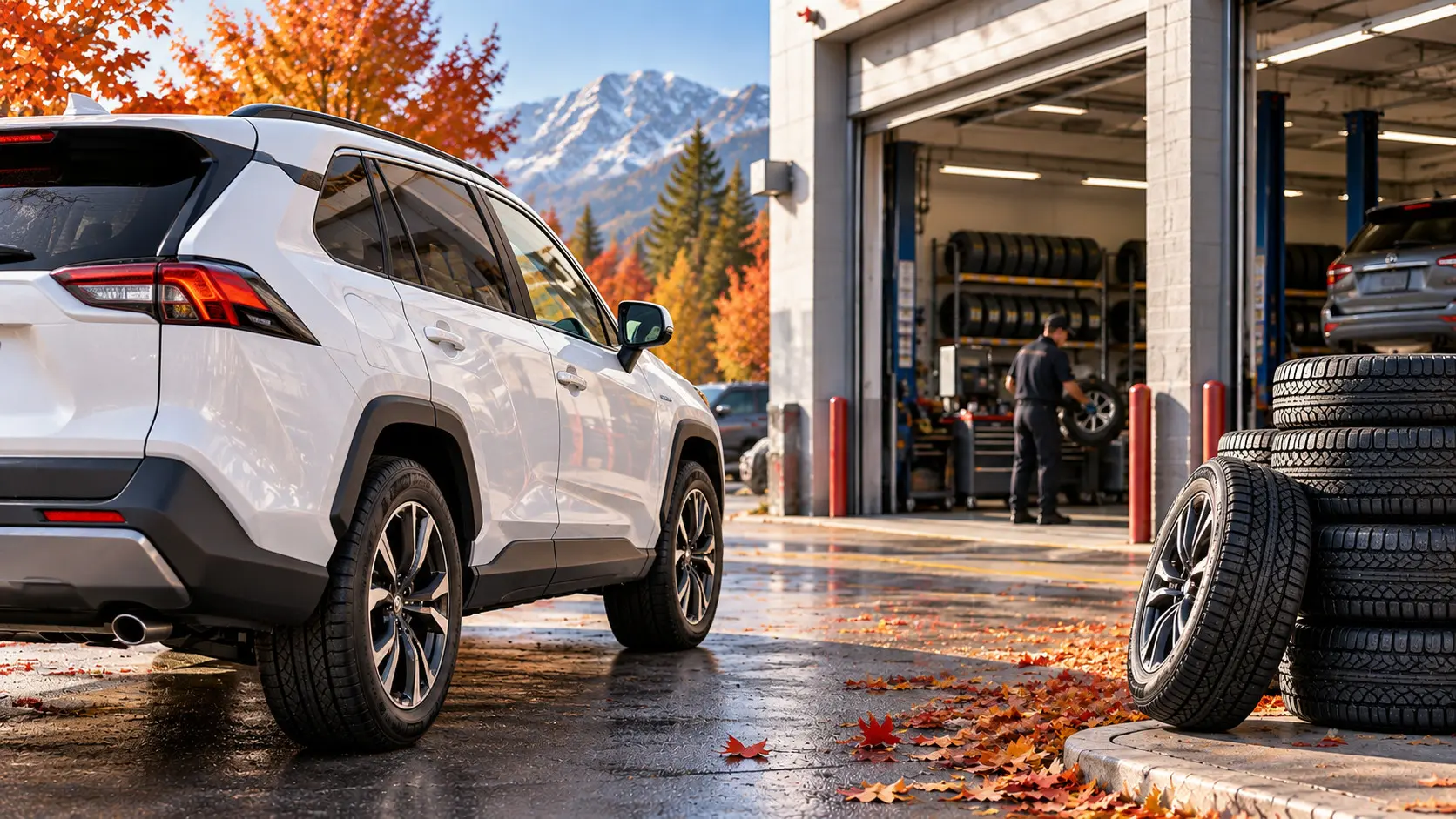
Beat the Rush: Book Your Seasonal Tire Change Before the October Crowds
Every autumn, Canadian drivers face the same challenge: temperatures start dropping, the first frost appears, and suddenly everyone wants a seasonal tire change at the same time. By October, tire shops can become exceptionally busy, especially when an early snowfall is in the forecast.
Booking your winter tire installation before the seasonal rush can make the transition easier. It gives you more flexibility when choosing an appointment, more time to inspect or replace worn tires, and a better chance of having your vehicle prepared before colder weather arrives.
You do not necessarily need to wait for snow. A practical guideline is to start thinking about winter tires when temperatures are regularly approaching 7°C. Winter tire compounds are designed for cold conditions, while typical all-season tire compounds can become less flexible as temperatures fall.
Why Should You Book Your Seasonal Tire Change Before October?
Booking early helps you avoid peak appointment demand and gives you time to deal with worn tires, damaged wheels, TPMS concerns, or other issues before winter driving conditions arrive.
The seasonal changeover period is compressed in much of Canada. Thousands of drivers in the same region may decide they need winter tires within days of each other, particularly after the first cold-weather forecast.
Booking ahead can provide several practical advantages:
- More appointment dates and times to choose from.
- Less pressure to schedule immediately after the first snowfall.
- More time to inspect existing winter tires before installation.
- More time to shop for replacement tires if your current set is worn or damaged.
- An opportunity to address wheel, valve, TPMS, alignment, or tire-pressure concerns.
- Better preparation for an unexpected early cold snap.
Expert tip: Do not use the first snowfall as your only signal to book a tire change. Monitor temperatures and your local forecast instead. Preparing before consistently cold weather arrives is usually much easier than competing for an appointment after winter conditions begin.
When Is the Best Time to Install Winter Tires in Canada?
For many Canadian drivers, the right time to install winter tires is when daily temperatures are consistently approaching or falling below about 7°C rather than waiting for permanent snow cover.
The exact timing varies considerably across Canada. A driver in northern Alberta may encounter cold conditions well before someone in southern Ontario or coastal British Columbia.
| Condition | What It Means for Your Tire Change |
|---|---|
| Temperatures regularly approaching 7°C | Start planning or completing your winter tire change. |
| Cold mornings but warm afternoons | Monitor the forecast and make sure an appointment is already scheduled. |
| First frost warnings | Cold-weather driving conditions are becoming more likely. |
| Snow in the forecast | Demand at tire shops may increase quickly. |
| Consistent winter temperatures | If winter tires are not installed yet, arrange the change as soon as practical. |
Winter tires are not simply “snow tires.” Their tread designs and cold-weather rubber compounds are engineered to provide traction in winter conditions that can include cold pavement, snow, slush and ice.
Why Does the 7°C Guideline Matter?
The 7°C guideline matters because tire performance depends on temperature as well as whether snow is actually on the road.
Conventional all-season tires are designed to handle a broad range of conditions, but their compounds can become firmer as temperatures fall. Winter tires use compounds intended to remain more flexible in colder conditions.
That flexibility helps a winter tire’s tread interact with cold pavement and contributes to traction, steering response and braking performance. Actual performance still varies by tire model, tread condition, vehicle, road surface and driving conditions.
This is why waiting for a major snowfall can be a poor way to time your seasonal tire change. The temperature may already have entered the range where winter tires are appropriate.
Why Are October Tire Appointments So Hard to Find?
October can create a concentrated surge in demand because many Canadian drivers react to the same temperature drops and weather forecasts at approximately the same time.
A warm September can create a false sense that winter is still far away. Then a forecast calling for frost or snow can prompt thousands of drivers to contact tire shops.
Weather forecasts can trigger sudden demand
One early snowfall warning can dramatically change how urgently drivers view their tire appointments. Drivers who booked ahead are less dependent on last-minute availability.
Tire installation takes more than a few minutes
A proper seasonal changeover may involve removing and installing wheels or tires, setting pressures, checking condition and confirming that everything is ready for service. Vehicles with a tire pressure monitoring system may require additional attention depending on their setup.
Some drivers discover they need new tires
One of the biggest advantages of checking early is discovering problems before your appointment. A stored winter tire could have low tread, sidewall damage, irregular wear or another condition that makes replacement necessary.
If you discover this during the busiest week of the season, you may have less time to research your options.
September vs. October: When Should You Book?
September is often an excellent time to book an upcoming winter tire change, even if your actual installation appointment will occur later.
| Booking Period | Potential Advantages | What to Consider |
|---|---|---|
| September | Plan ahead, inspect tires early and secure an appointment before peak demand. | The installation date should still make sense for your local temperatures. |
| Early October | Temperatures may be getting closer to winter-tire conditions. | Appointment demand may already be increasing. |
| Late October | Cold conditions are established in many Canadian regions. | Availability may be tighter, especially after winter weather forecasts. |
| After the first snowfall | The need for winter preparation becomes obvious. | You may be competing with a large number of last-minute bookings. |
The distinction between booking and installing is important. You can reserve an appointment ahead of time while choosing an installation date appropriate for your region and expected temperatures.
Check Your Winter Tires Before You Book
Inspecting your winter tires before the appointment helps identify replacement or maintenance needs while you still have time to address them.
If your winter tires have been stored since spring, take a few minutes to examine them before installation.
1. Inspect the tread
Look across the entire tread surface rather than checking one spot. Uneven wear may indicate that the tires were previously affected by alignment, inflation, suspension or rotation issues.
Tread depth directly affects a tire’s ability to manage snow, slush and water. Legal minimums and winter-performance recommendations are not necessarily the same thing, so tires that are technically usable may still provide less winter capability as their tread becomes worn.
2. Examine the sidewalls
Check for visible cuts, cracking, bulges or other damage. A tire with questionable structural damage should be assessed by a qualified tire professional rather than automatically returned to service.
3. Look for irregular wear
Excessive wear on one shoulder, the centre of the tread or isolated areas can provide clues about inflation, alignment or mechanical issues.
4. Check the tire’s age
The DOT tire identification information on the sidewall can help identify when a tire was manufactured. Age alone does not tell you everything about a tire’s condition, but older tires deserve careful inspection.
5. Confirm the winter tire markings
Look for the Three-Peak Mountain Snowflake (3PMSF) symbol when identifying tires designed to meet specified snow-traction performance criteria.
An M+S marking and the 3PMSF symbol do not mean the same thing. Understanding these markings is particularly important when travelling through areas with specific winter tire or chain requirements.
Do You Need New Winter Tires This Year?
You may need replacement winter tires if your current set has insufficient tread, visible damage, significant uneven wear, age-related deterioration, or is no longer appropriate for your vehicle and driving needs.
Do not wait until the installation appointment to start asking this question. Inspecting early gives you time to compare suitable tires based on factors such as:
- Your vehicle’s required tire size.
- Load and speed ratings.
- Typical winter temperatures.
- Urban versus highway driving.
- Snow, slush and ice exposure.
- Wet-road performance.
- Road noise and ride comfort.
- Tread life expectations.
- Whether you regularly drive through mountain regions.
Drivers should use tire specifications appropriate for their vehicle and follow the vehicle manufacturer’s requirements rather than selecting a tire based only on price or appearance.
Winter Tires, All-Weather Tires and All-Season Tires: Know the Difference
Winter, all-weather and all-season tires are designed for different operating conditions, so knowing what is currently on your vehicle is essential before winter arrives.
| Tire Type | Typical Purpose | Cold-Weather Consideration |
|---|---|---|
| Winter tires | Designed specifically for cold and winter driving conditions. | Generally the most winter-focused option. |
| All-weather tires | Designed for year-round use while providing enhanced winter capability compared with conventional all-season tires. | Look for the 3PMSF symbol and confirm suitability for your driving conditions. |
| All-season tires | Designed for broad three-season performance and mild conditions. | Not the same as a dedicated winter tire, particularly as temperatures fall. |
The best choice depends on your vehicle, climate, driving habits and the roads you regularly travel. Someone driving frequently on rural Alberta highways can have very different winter requirements from a driver who primarily travels short distances in coastal British Columbia.
Canadian Winter Tire Rules Can Vary by Province and Road
Winter tire requirements are not identical across Canada, so drivers should verify the rules that apply to their province and any region they plan to visit.
Quebec
Quebec has specific winter tire requirements for many road vehicles during the winter season. Drivers should confirm current dates, exemptions and qualifying tire requirements with the provincial government before travelling.
British Columbia
British Columbia has winter tire and chain requirements on designated routes during specified periods. Requirements can vary by vehicle type and route, making it important to check signage and current provincial information before a trip.
Other provinces and territories
Even where winter tires are not broadly mandatory for passenger vehicles, that does not make winter preparation unnecessary. Conditions involving black ice, packed snow, freezing rain and slush can occur across much of Canada.
Travel tip: If an autumn or winter road trip crosses provincial boundaries, check the requirements for every province and route on your itinerary rather than relying on the rules where your vehicle is registered.
What Should Be Checked During a Seasonal Tire Change?
A seasonal tire change is a useful opportunity to check tire condition, pressure and related vehicle components rather than treating the service as a simple wheel swap.
A practical seasonal checklist includes:
- Confirm the correct tire size and specifications.
- Inspect tread depth and tread condition.
- Inspect sidewalls for visible damage.
- Check cold inflation pressure against the vehicle manufacturer’s specification.
- Inspect wheels for visible damage or corrosion.
- Confirm the condition of valve stems.
- Check the TPMS when applicable.
- Look for signs of uneven tire wear.
- Consider whether alignment should be inspected if unusual wear or handling symptoms are present.
- Confirm proper wheel fastener procedures and follow any recommended re-torque instructions.
Cold Weather Can Change Tire Pressure
Tire pressure can decrease as ambient temperature falls, making autumn an important time to monitor inflation pressure.
Use the vehicle manufacturer’s recommended cold tire pressure, typically found on the vehicle’s tire information placard or in the owner’s manual. Do not use the maximum pressure printed on the tire sidewall as your normal target unless the vehicle manufacturer specifically calls for it.
Underinflation can affect handling, tire wear and rolling resistance. Overinflation can also change the tyre’s contact characteristics and ride behaviour.
Check pressure when tires are cold and continue monitoring it throughout winter, particularly after significant temperature changes.
Should You Get a Wheel Alignment With Your Seasonal Tire Change?
An alignment is not automatically required every time you change tires, but unusual tread wear, steering behaviour or a recent impact may justify an inspection.
Canadian roads can be particularly hard on wheels and suspension components. Potholes, broken pavement and winter road damage can contribute to alignment problems.
Possible warning signs include:
- Uneven or rapid tread wear.
- The vehicle pulling noticeably to one side.
- An off-centre steering wheel when travelling straight.
- Recent impact with a significant pothole or curb.
Correcting an alignment issue can help prevent a new or healthy set of tires from developing unnecessary uneven wear.
What If Your Winter Tires Are Already Mounted on Wheels?
A dedicated winter wheel-and-tire package can simplify seasonal changeovers because the tires do not have to be mounted and dismounted from the same wheels twice a year.
Separate winter wheels may also help protect certain summer or premium wheels from road salt and harsh winter conditions. However, the winter wheel package still needs to meet your vehicle’s requirements.
Depending on the vehicle, you may also need compatible TPMS sensors. Wheel size, offset, bolt pattern, load requirements and brake clearance must all be considered when selecting wheels.
How to Prepare for Your Tire Change Appointment
A few checks before your appointment can help make the seasonal changeover more straightforward.
- Locate your winter tires if they are stored at home.
- Check all four tires for visible damage.
- Confirm that you have the correct wheels and hardware if using a separate winter set.
- Locate the wheel-lock key if your vehicle has locking wheel nuts or bolts.
- Remove unnecessary cargo if access to the tires or wheel-lock key is obstructed.
- Mention vibration, pulling, pressure loss or unusual tire wear when booking.
- Ask about TPMS service if your vehicle uses tire-pressure sensors.
- Confirm any recommended wheel fastener re-torque procedure.
If you already know you need replacement winter tires, arrange them before your installation date rather than expecting the correct size and preferred model to be immediately available during peak season.
Avoid These Common Fall Tire-Change Mistakes
The most common mistake is waiting until winter weather has already arrived, but several other planning errors can make the seasonal transition more difficult.
Waiting for the first major snowfall
Snow forecasts can trigger a surge in bookings. Temperature is a more useful planning signal than waiting to see snow accumulating on the road.
Assuming stored tires are ready to install
Storage does not guarantee that a tire is suitable for another winter. Inspect tread, sidewalls and overall condition first.
Ignoring tire pressure after installation
Cold temperatures affect inflation pressure. Continue checking pressures throughout the season.
Replacing only after tread becomes obviously worn
Winter traction can decline as tread wears. Assess your tires before peak season so you have time to replace them when necessary.
Forgetting about provincial requirements
Rules can change when you cross a provincial boundary or enter certain designated routes. Check current provincial information before travelling.
Your Pre-Winter Tire Checklist
A simple early-autumn checklist can help you enter winter with fewer surprises.
- Book: Reserve your seasonal tire change before peak October demand.
- Inspect: Examine tread, sidewalls and overall tire condition.
- Identify: Confirm whether your tires carry the appropriate winter markings.
- Measure: Check tread depth rather than relying only on appearance.
- Replace: Order new tires early if your existing set is no longer suitable.
- Pressure: Set and monitor cold inflation pressure according to the vehicle manufacturer.
- Alignment: Investigate unusual wear, pulling or steering symptoms.
- TPMS: Address warning lights or sensor concerns.
- Travel: Review provincial and route-specific winter tire requirements.
- Store: Plan proper storage for the tires coming off your vehicle.
Book Before Everyone Else Sees Snow in the Forecast
The easiest way to beat the seasonal tire-change rush is to plan around temperature and appointment availability rather than waiting for the first storm.
Booking ahead does not mean installing winter tires excessively early. It means choosing an appropriate future appointment before demand peaks.
Use early autumn to inspect your current winter set, confirm whether replacement tires are required, check your local requirements and schedule the installation for when temperatures in your region are consistently approaching the winter-tire range.
Canadian winter weather rarely arrives according to everyone’s schedule. Your tire appointment, however, can.
Frequently Asked Questions About Seasonal Tire Changes
When should I book my winter tire change in Canada?
Consider booking in September or early autumn, before appointment demand rises. The actual installation date should reflect your local climate, with many drivers planning the change as temperatures regularly approach about 7°C.
Should I wait until it snows to install winter tires?
No. Snowfall is not the only consideration. Winter tires are designed for cold conditions, so consistently falling temperatures are an important signal even when roads remain dry.
Why is October so busy for tire changes?
October is when temperatures fall sharply in many parts of Canada. Frost and snow forecasts can cause large numbers of drivers to request appointments within a short period.
Is 7°C really the temperature for winter tires?
About 7°C is commonly used as a practical guideline for seasonal tire planning because conventional all-season compounds can become firmer as temperatures decrease while winter compounds are designed for colder conditions. Actual tire performance depends on the specific product and driving conditions.
Can I install winter tires in September?
Potentially, depending on your location and temperatures. September conditions differ dramatically between regions of Canada. Booking in September can still be useful even if your actual installation is scheduled for later.
Do I need four winter tires?
Using four matching winter tires is generally recommended because consistent traction characteristics at all four corners help maintain predictable braking and handling behaviour. Always follow your vehicle manufacturer’s tire requirements.
How do I know if my winter tires need replacing?
Check tread depth, uneven wear, sidewall condition, age and any history of damage or pressure loss. If you are uncertain whether a tire remains suitable for service, have it inspected by a qualified tire professional.
What does the Three-Peak Mountain Snowflake symbol mean?
The Three-Peak Mountain Snowflake, or 3PMSF, identifies tires that meet a defined performance standard for acceleration traction in specified snow testing. It is different from an M+S marking.
Are all-weather tires the same as winter tires?
No. All-weather tires are intended to provide year-round usability while offering greater winter capability than conventional all-season tires. Dedicated winter tires are specifically optimized for winter conditions. The appropriate choice depends on your climate and driving needs.
Do winter tires need different tire pressure?
Follow the vehicle manufacturer’s cold inflation pressure specification unless otherwise instructed for an approved alternative tire setup. Tire pressure changes with temperature, so it should be monitored regularly throughout winter.
Do I need an alignment every time I change tires?
Not necessarily. An alignment inspection becomes particularly relevant when you see uneven tire wear, notice pulling or steering problems, or have recently hit a significant pothole or curb.
Should I buy separate wheels for my winter tires?
A dedicated winter wheel set can make seasonal changes simpler and avoids mounting and dismounting tires from the same wheels each season. Any wheels selected must still be compatible with your vehicle’s specifications, brakes and load requirements.
Are winter tire laws the same everywhere in Canada?
No. Requirements vary by province and, in some cases, by road or route. Quebec has specific seasonal winter tire requirements, while British Columbia has requirements on designated routes. Drivers should check current provincial rules before travelling.
Recommended Related Reading
In stock & ready to ship
Find the tires you need, delivered from a warehouse near you